




19th Century Terracotta Bust
A 19th century terracotta bust brings classical dignity and tactile warmth to an interior through modelled clay portraits of historical figures and imagined characters.
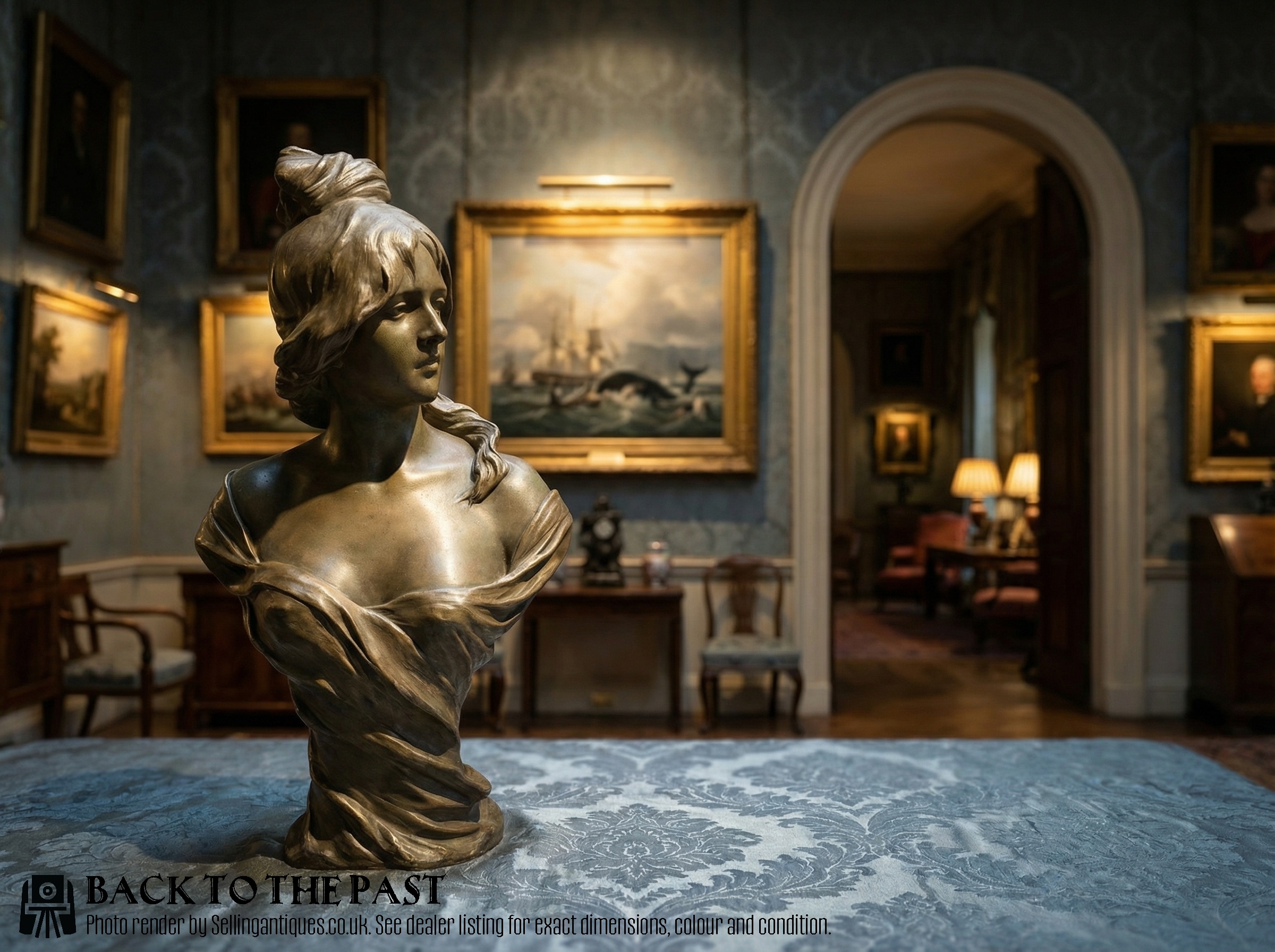
19th Century Terracotta Bust
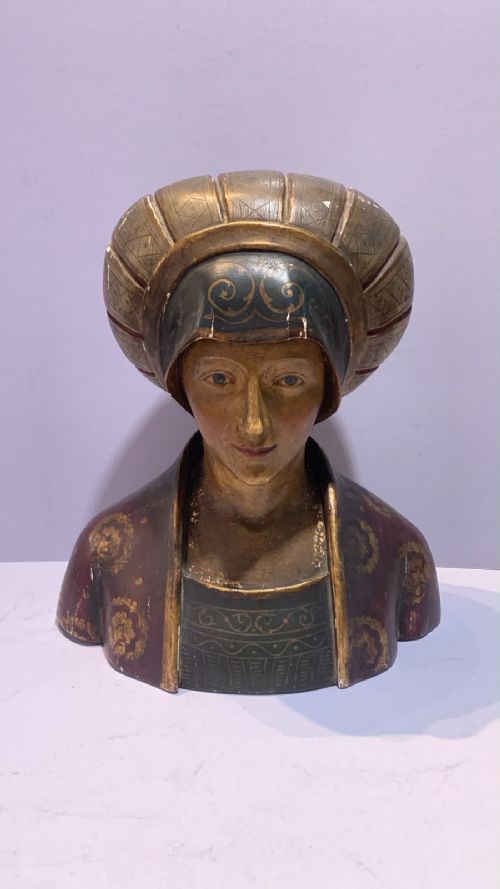
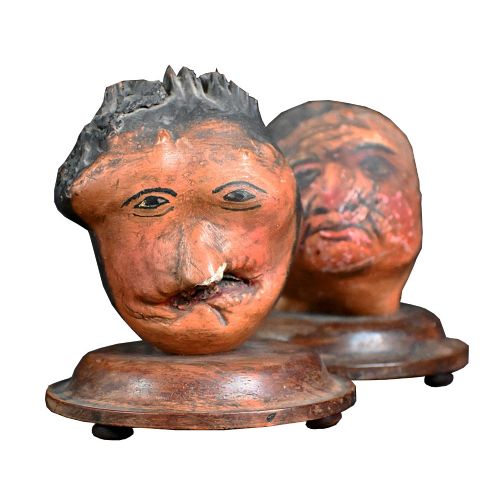
When you search for a 19th century terracotta bust, you encounter sculpted clay likenesses ranging from Grand Tour classical copies to expressive folk art and portraiture. The most frequent examples on this page are late nineteenth-century works drawing on Neoclassical, Renaissance Revival, and Orientalist themes.
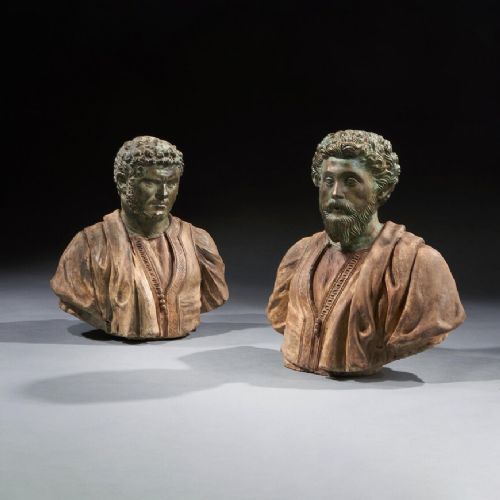
Subjects stretch from Roman emperors and mythological figures like Venus and Daphne to everyday characters such as a banjo player, a naval gentleman, or noblewomen. Makers utilised various scales, from cabinet-sized pieces to life-size sculptures designed for prominent display.
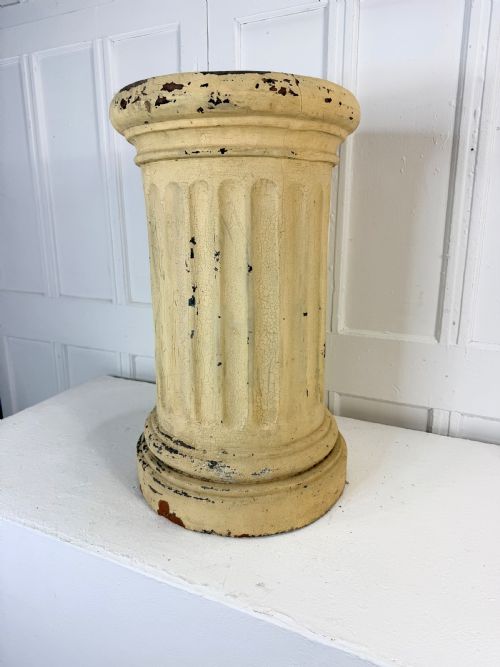
The form encompasses both single portraits and paired pieces, sometimes mounted alongside complementary display columns or pedestals. These sculptures reflect the period's intense fascination with antiquity, theatrical character studies, and naturalistic portraiture.
How They Were Made
Modelling in wet clay formed the primary foundation for these sculptures, allowing artists to capture fine facial expressions, hair texture, and drapery before firing the material in a kiln. After firing, makers frequently applied paint, polychrome pigments, gesso, or gold leaf to enhance the visual depth of the surface.
Some pieces received a verdigris patina or a dark bronzed finish to mimic metal casting, while others utilised glazed ceramic surfaces for added sheen and colour protection. Plaster repairs or secondary structural elements occasionally appear where sections required reinforcement.
Listings feature terracotta works spanning from the Georgian era through the late 19th century, incorporating Neoclassical, Art Nouveau, and folk art styles.
What Varies in Quality
The distinction between ordinary and exceptional works rests on the crispness of the modelling and the sensitivity of the facial expression. Superior pieces capture fine anatomical details in the hands, hair, and drapery with notable precision, avoiding the softness found in mass-produced moulds.
Surface finish significantly dictates quality, with masterworks employing subtle polychrome pigments, careful gilding, or convincing patinas that age with dignity. Factory attribution and the reputation of the modeller also elevate certain pieces well beyond standard decorative output.
Ernst Whaliss·Friedrich Goldscheider·Eduard Stellmacher
The 19th Century Terracotta Bust Glossary
- Terracotta
- A porous, fired clay ranging in colour from pale buff to deep reddish-brown. This medium served as the primary material for sculptural modelling throughout the nineteenth century.
- Polychrome
- The practice of painting sculpture in multiple colours to achieve a lifelike appearance. This technique appears frequently on Orientalist and portrait busts.
- Grand Tour
- A cultural journey undertaken by wealthy young Europeans to view classical antiquities. Sculptures commemorating these travels often replicated famous statues from Italian collections.
- Neoclassical
- An artistic movement reviving the styles of classical Greece and Rome. Works in this aesthetic emphasise restrained elegance, proportion, and mythological subjects.
- Patina
- A surface sheen or coloration developed through age, handling, or applied chemical treatments. Makers often simulated metal patinas on clay surfaces using specialised paints.
19th Century Terracotta Bust: Frequently Asked Questions
How should I clean a terracotta bust?
Dust these sculptures gently with a dry, soft-bristled brush to prevent particulate buildup within the textured clay surface.
Avoid using water, chemical solvents, or damp cloths, as nineteenth-century painted, gilded, or unglazed terracotta absorbs moisture readily and sustains permanent surface damage.
Where is the best place to display one?
Position your sculpture on a sturdy console table, mantelpiece, or dedicated display column where adequate lighting highlights the modelled contours.
Keep the piece away from direct sunlight, radiators, and areas prone to high humidity to protect fragile painted or polychrome surfaces from flaking.
Are painted terracotta busts original?
Many nineteenth-century portrait and Orientalist sculptures received deliberate polychrome, bronzed, or painted finishes directly from the workshop to heighten realism.
Distinguishing original pigment from later touch-ups requires examining the wear patterns, craquelure, and how the paint integrates with the underlying fired clay.
How do I identify a Grand Tour piece?
Grand Tour sculptures typically replicate famous ancient monuments, mythological figures, or Roman emperors encountered by travellers in Italy.
These pieces often lack factory stamps but exhibit refined neoclassical modelling characteristic of nineteenth-century European studio production geared towards foreign buyers.