





Neoclassical Terracotta Sculpture
Neoclassical terracotta sculpture captures ancient forms in fired earth, offering buyers enduring classical subjects modelled with remarkable detail.
Neoclassical Terracotta Sculpture
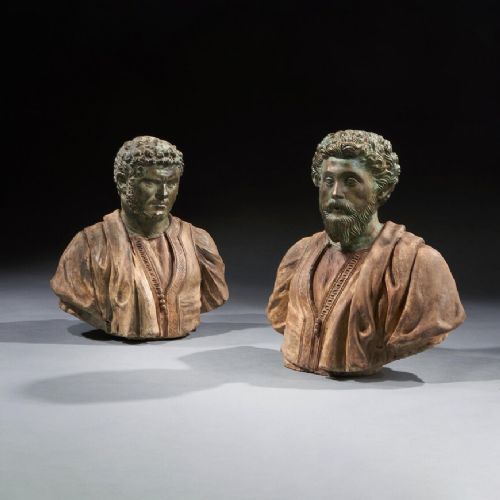
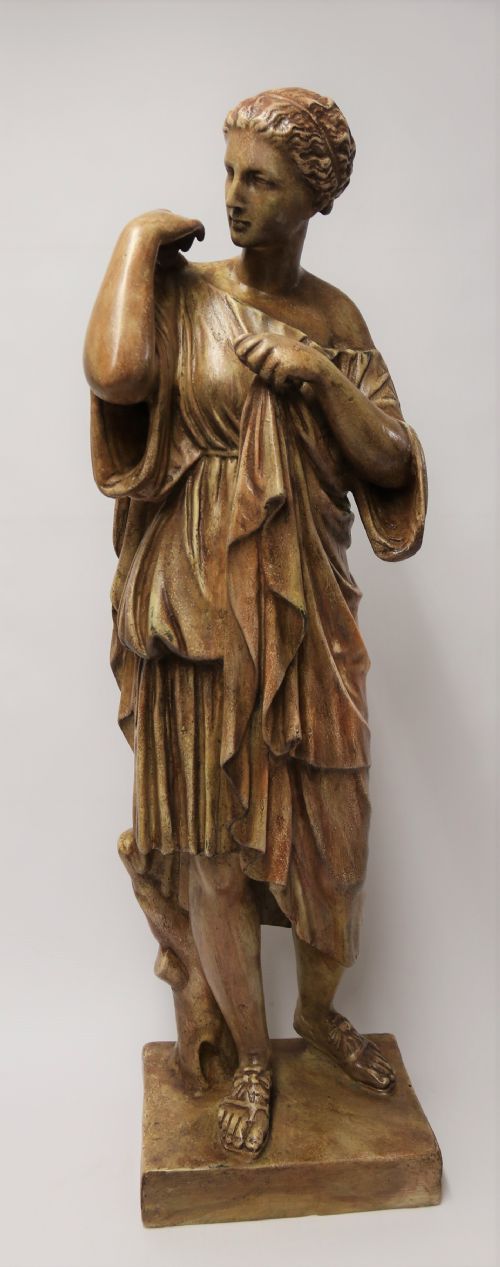
These pieces encompass figures, classical women, and portrait busts modelled in the antique manner. Subjects range from mythological figures like Diana the Huntress and Mercury to historical Caesars such as Marcus Aurelius and Caracalla.
The selections span from the seventeenth century through to the early twentieth century, incorporating Grand Tour souvenirs alongside signed British and Italian works. Buyers will frequently encounter nineteenth century interpretations of classical antiquity and Renaissance subjects.
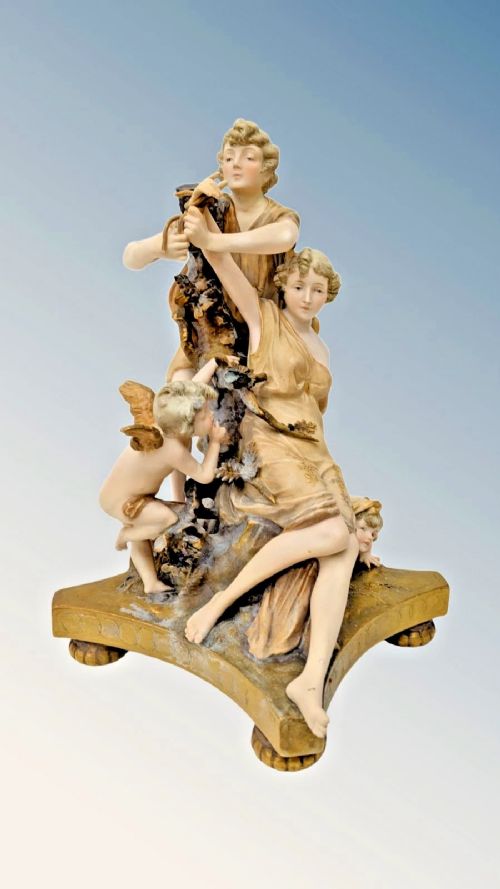
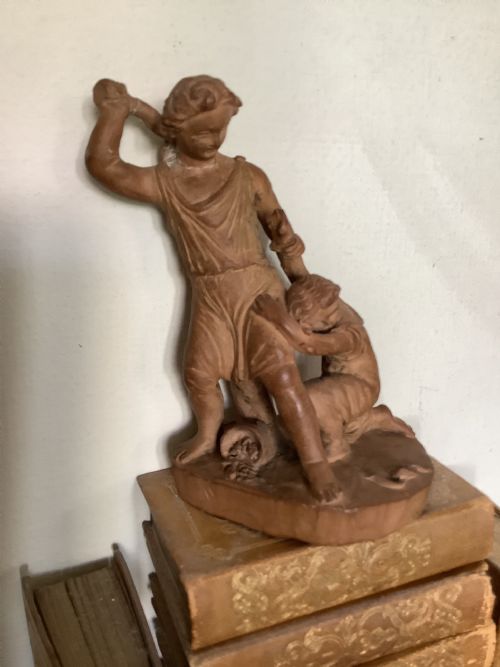
Forms vary from small cabinet pieces and portrait busts to larger figurative groups after antique prototypes. Many examples draw directly on renowned sculptures such as the Spinario and the Venus de Medici.
Materials and methods
Makers shaped these works primarily from clay, which was then fired to create terracotta. Surface treatments frequently include paint, verdigris patina, or parcel-gilt details to emulate bronze or aged stone.
Materials recorded on this page include terracotta, plaster, porcelain, clay, pigment, verdigris patina, and parcel-gilt.
Judging quality
The sophistication of the surface finish distinguishes finer works, particularly where patination or pigment has been skillfully applied to mimic bronze. The handling of anatomical detail and adherence to classical proportions also mark out superior modelling.
Ernst Wallace·Joseph Gott
The Neoclassical Terracotta Sculpture Glossary
- Terracotta
- Fired unglazed clay ranging in colour from buff to deep red. This porous material allowed sculptors to achieve immediate textural detail before firing.
- Grand Tour
- A cultural journey undertaken by wealthy Europeans to study classical antiquity. Souvenirs from these travels often included miniature terracotta sculptures of famous statues.
- Patina
- The surface appearance altered by age, wear, or intentional chemical treatment. Makers often applied verdigris or bronze paint to terracotta to simulate aged metal.
- After the antique
- A descriptor for works that copy renowned ancient Greek or Roman sculptures. These reproductions formed a staple of nineteenth century academic taste.
- Bust
- A sculpted representation of a person from the chest up. Portrait busts of classical emperors and mythological figures were popular subjects in nineteenth century interiors.
Neoclassical Terracotta Sculpture: Frequently Asked Questions
How were these sculptures used historically?
They served as decorative ornaments in studies, libraries, and drawing rooms, demonstrating the owner's classical education and refined taste.
Smaller pieces functioned as cabinet ornaments, while larger busts were displayed on pedestals or mantelpieces to evoke ancient sculpture galleries.
How do I care for terracotta sculpture?
Keep the pieces in stable indoor environments away from excessive moisture and direct sunlight. Terracotta is a porous material that benefits from gentle dusting with a soft, dry brush.
Avoid using water or liquid cleaners on the surface, especially where historic paint, verdigris, or parcel-gilt finishes are present.
How can I tell the period of a piece?
Dating relies on stylistic clues, the nature of the surface patination, and any signatures or stamps on the base. Nineteenth century pieces often reflect revivalist interests in specific classical prototypes.
Examination of the clay fabric and construction methods can also help distinguish earlier seventeenth century examples from later nineteenth and twentieth century revivals.