

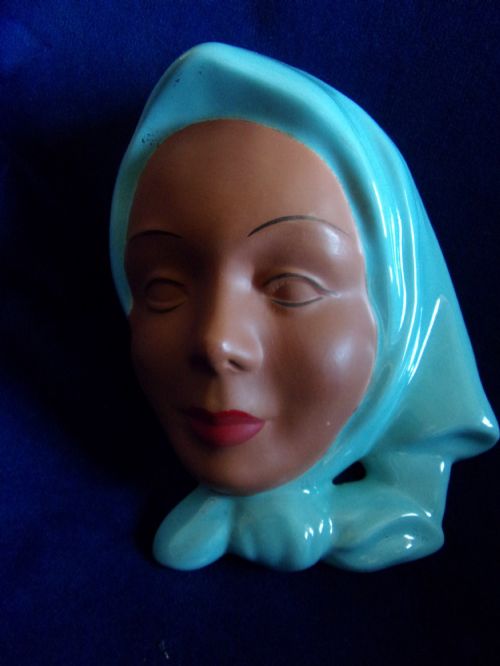


Terracotta Sculpture Bust
These terracotta sculpture bust pieces capture likeness and character through fired earth, offering tactile presence and historical depth for any interior.
Terracotta Sculpture Bust
A terracotta sculpture bust represents a human or animal form modelled in clay and fired, ranging from classical figures to folk art pieces.
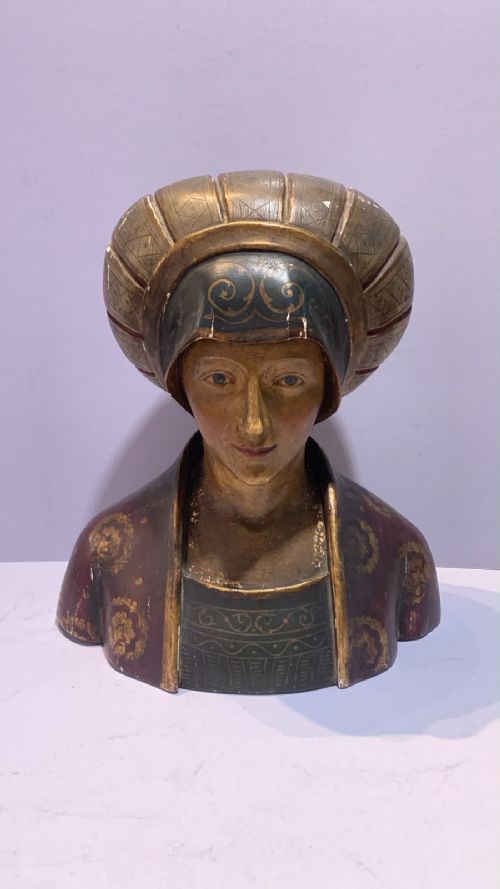
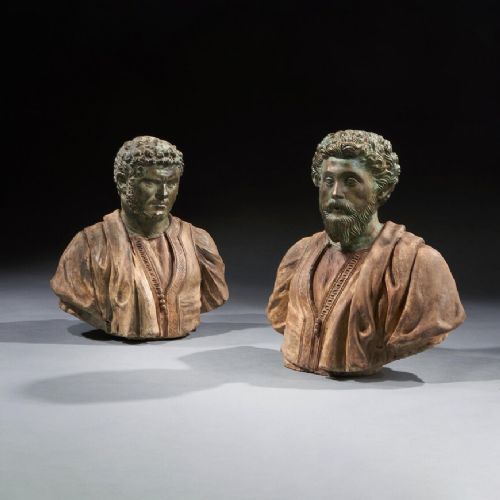
Buyers meet diverse examples across this selection, from nineteenth century Grand Tour pieces and portrait busts of Caesars to twentieth century Art Deco wall masques.
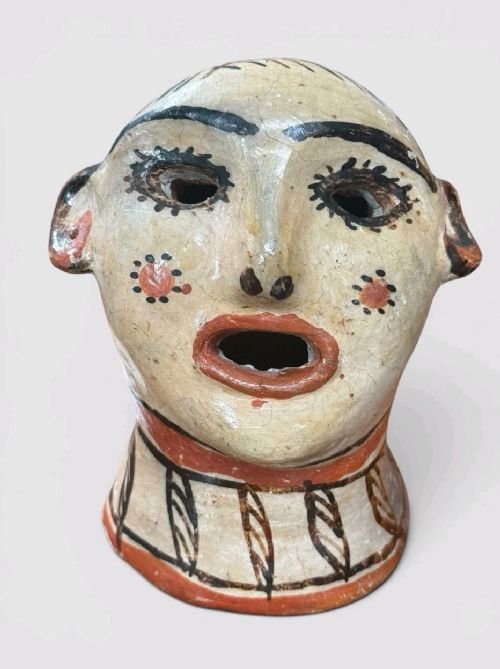
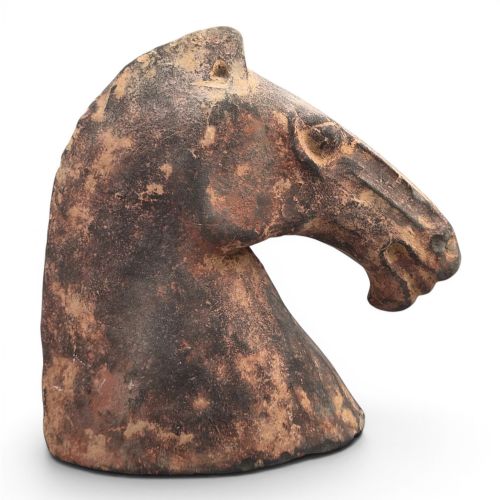
The objects span multiple eras and origins, including French and Austrian works alongside Peruvian pottery busts and Chinese tomb figures.
Materials and Working Methods
Maker hands shape primary materials of clay, earthenware, and terracotta, sometimes combining plaster and wood for internal support or mounts.
Surface finishes include applied paint, pigment, and glazes, alongside bronzed effects that alter the raw appearance of the fired ceramic body.
The inventory records diverse stylistic expressions including Renaissance Revival, Neoclassical, Art Deco, and Peruvian Folk Art.
Distinctions in Quality
Excellence rests in the acuity of modelling, where sensitive handling of facial expression and drapery distinguishes masterworks from standard commercial output.
The integrity of the fired body and the preservation of original surface pigments or patination dictate the standing of individual sculptures.
Gilbert Privat·Ernst Whaliss·Georges Morin·Pietro Calvi·Bohumil Rezl
The Terracotta Sculpture Bust Glossary
- Terracotta
- A porous, fired clay body ranging in colour from pale buff to deep red-brown. It serves as the primary medium for these sculptural works.
- Bust
- A sculpted representation of a person from the chest or shoulders upwards. This format focuses attention entirely on facial expression and headwear.
- Grand Tour
- A nineteenth century cultural journey across Europe undertaken by young gentry to collect classical antiquities and copies. Many nineteenth century busts derive from this tradition.
- Mingqi
- Chinese burial goods placed in tombs to accompany the deceased. These figures include early terracotta forms.
- Wall Masque
- A decorative sculptural face designed for hanging on a vertical surface. They frequently display strong Art Deco or regional stylistic traits.
Terracotta Sculpture Bust: Frequently Asked Questions
How do I clean a terracotta bust?
Dust surfaces gently with a soft, dry brush to prevent particulate accumulation without disturbing porous material.
Avoid liquid cleaners entirely, as unglazed terracotta absorbs moisture readily and holds stains within its body.
Are these busts solid clay?
Sculptures vary in construction, with some pieces built solid and others hollow-formed to ensure even drying and firing.
Larger life size examples typically employ hollow walls or internal armatures to reduce weight and prevent cracking during production.
How do I identify the period?
Dating relies upon stylistic markers such as Neoclassical drapery, Art Nouveau curves, or Art Deco geometry, alongside material patination.
Inscribed signatures, foundry stamps, or registration marks on the base provide definitive chronological anchors.