
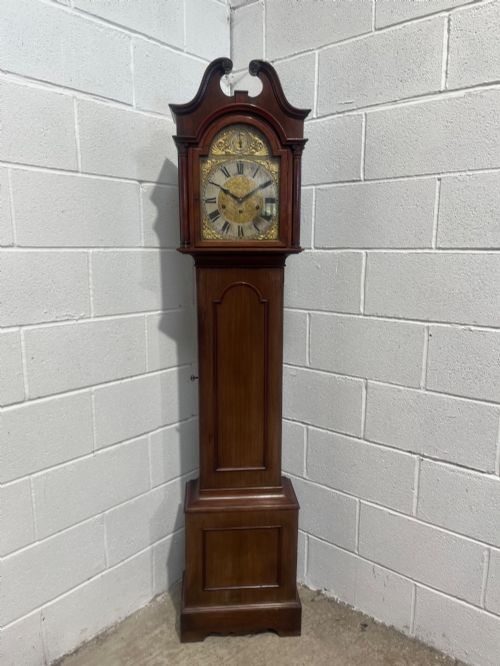
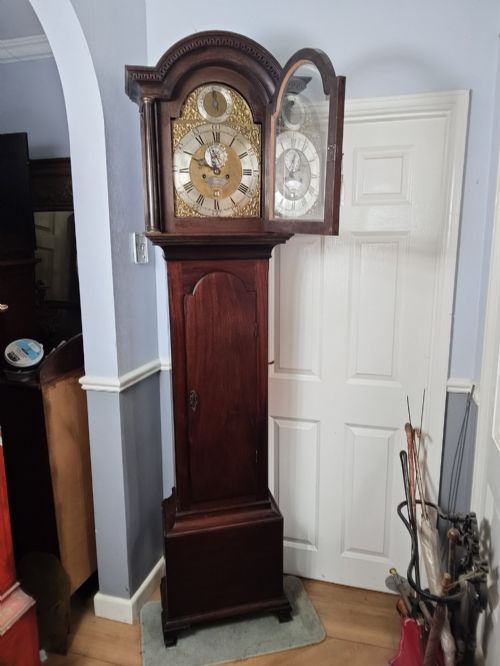
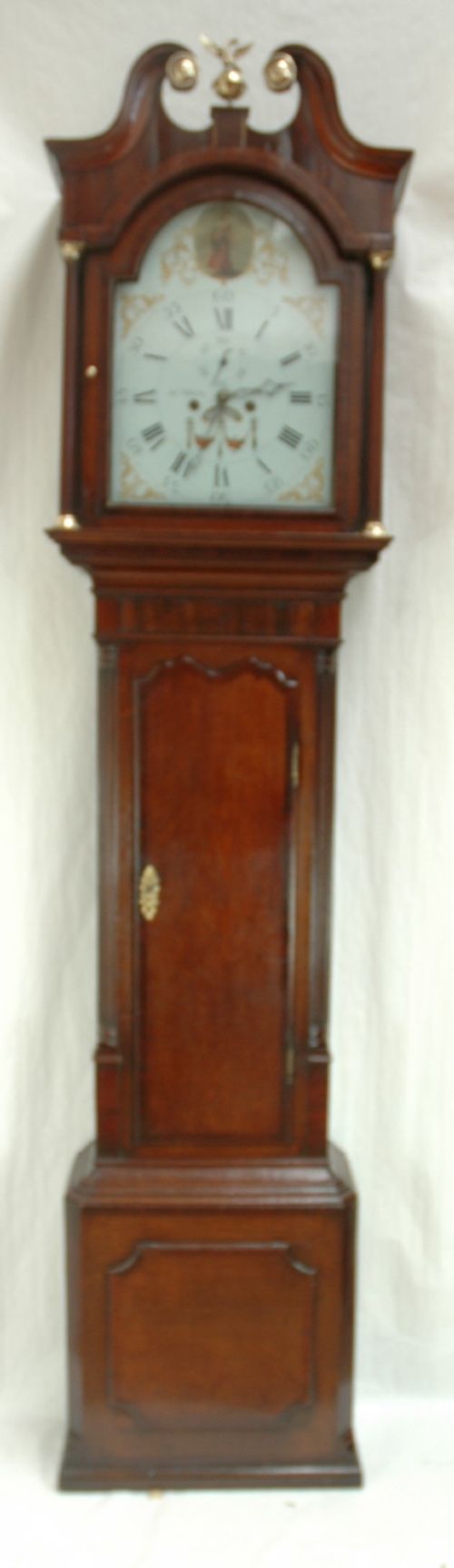
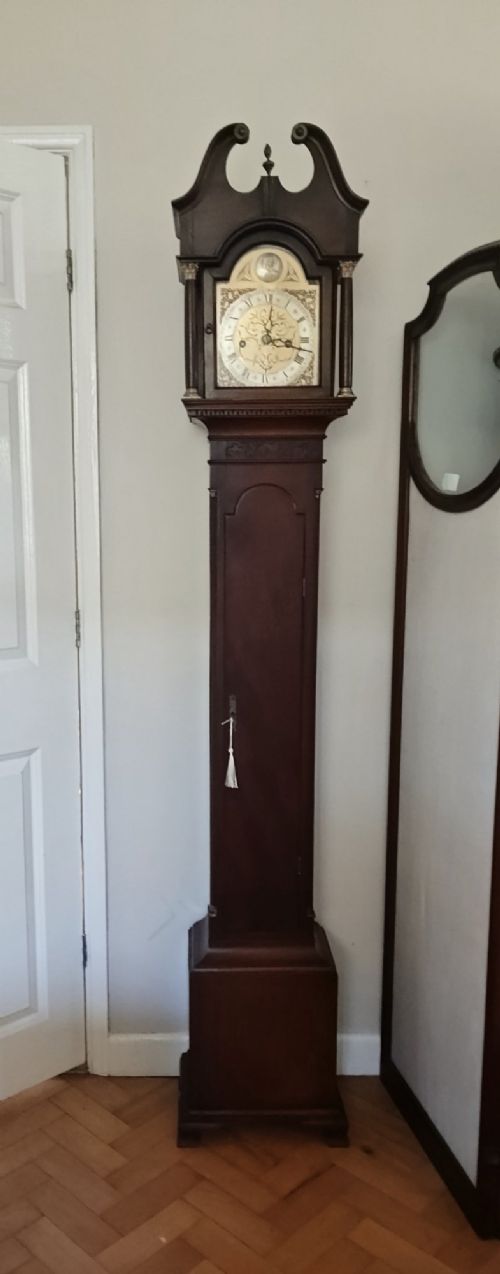
Standing Pendulum Clock
These standing pendulum clock examples bring architectural presence and precise timekeeping to a room, driven by traditional weights and swinging rods.
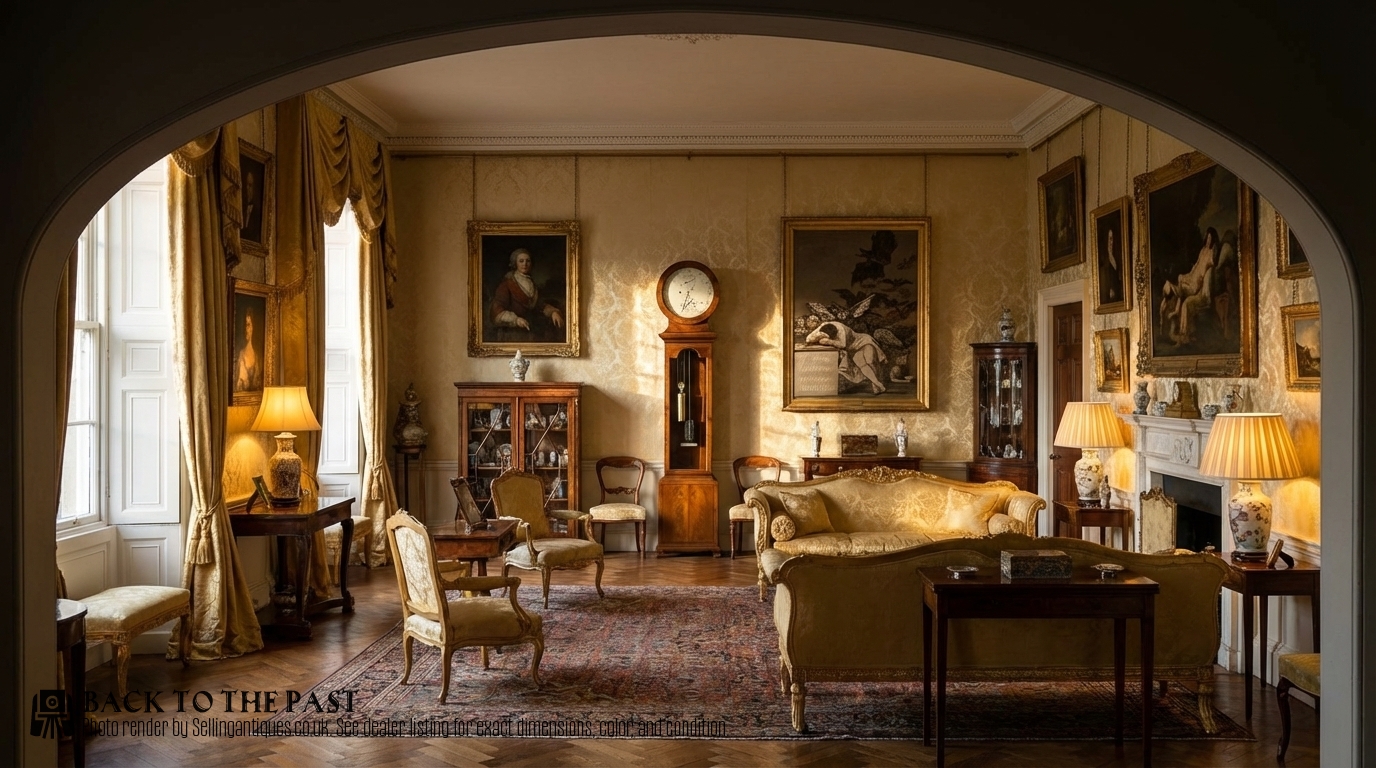
What a standing pendulum clock is
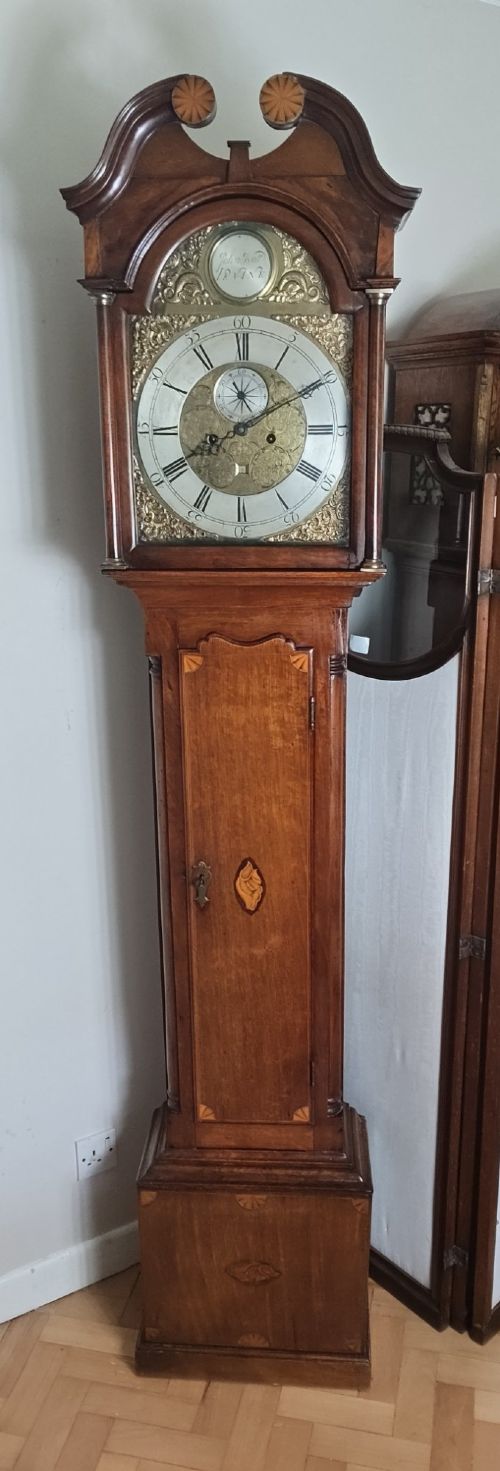
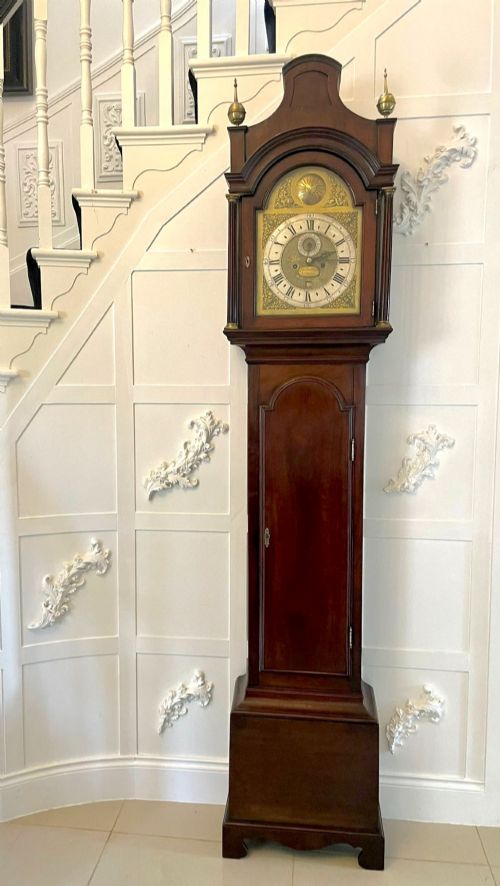
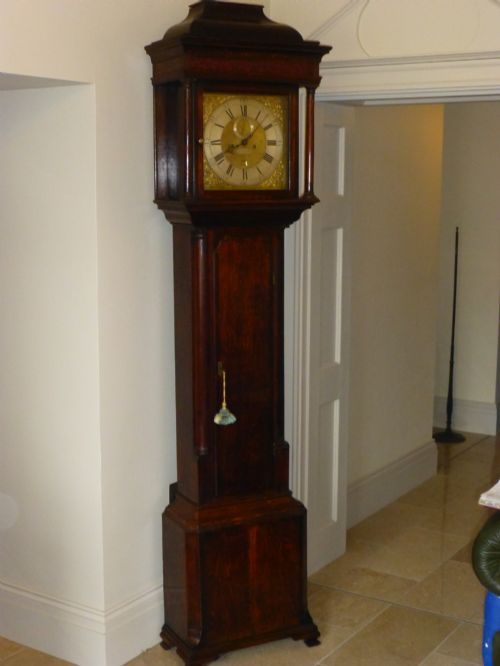
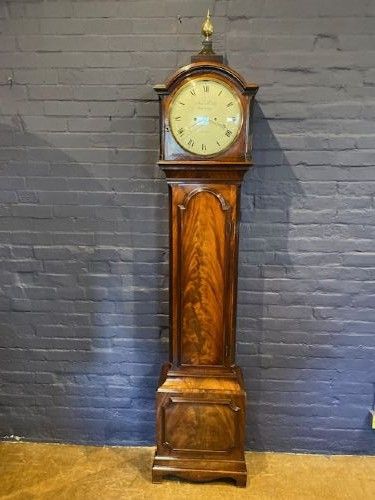
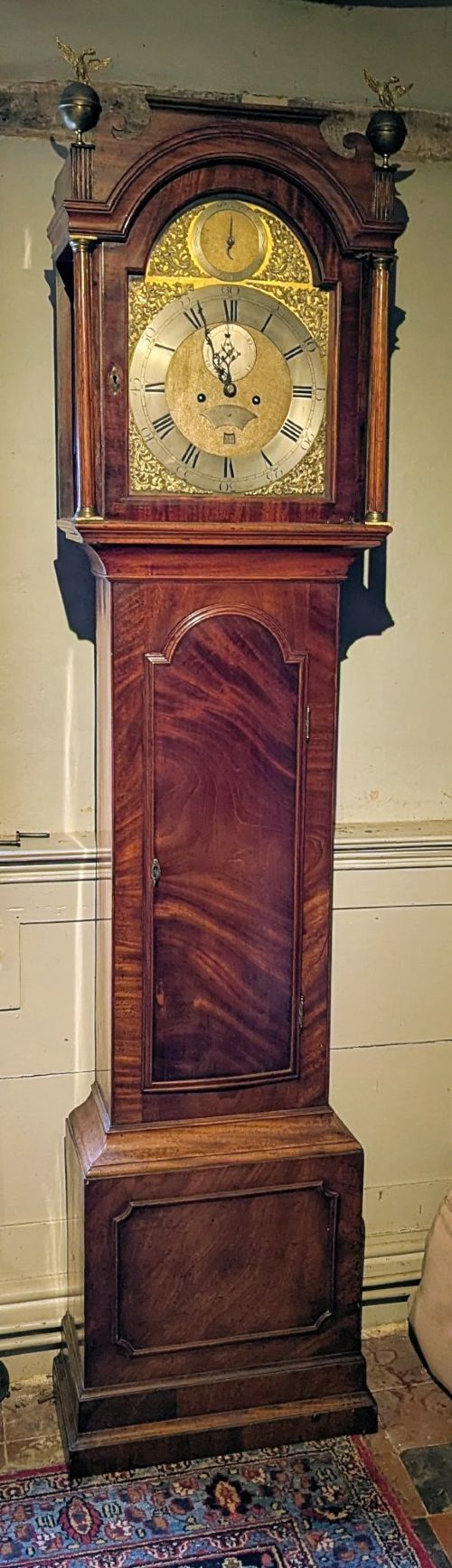
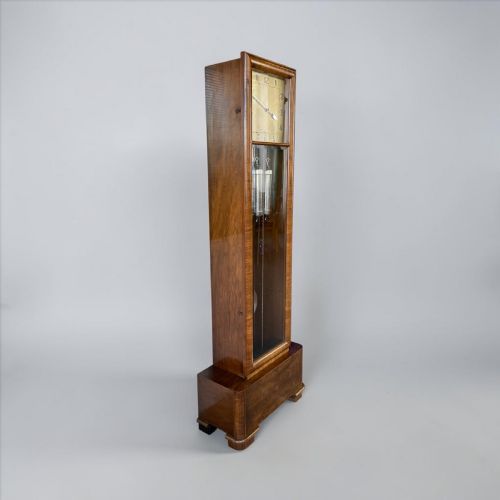
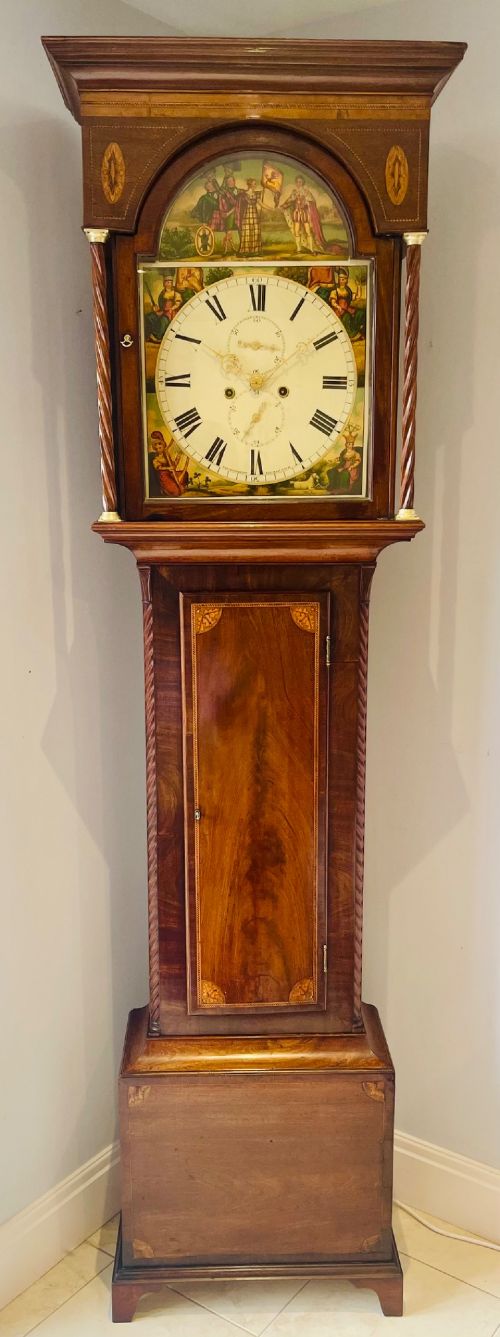
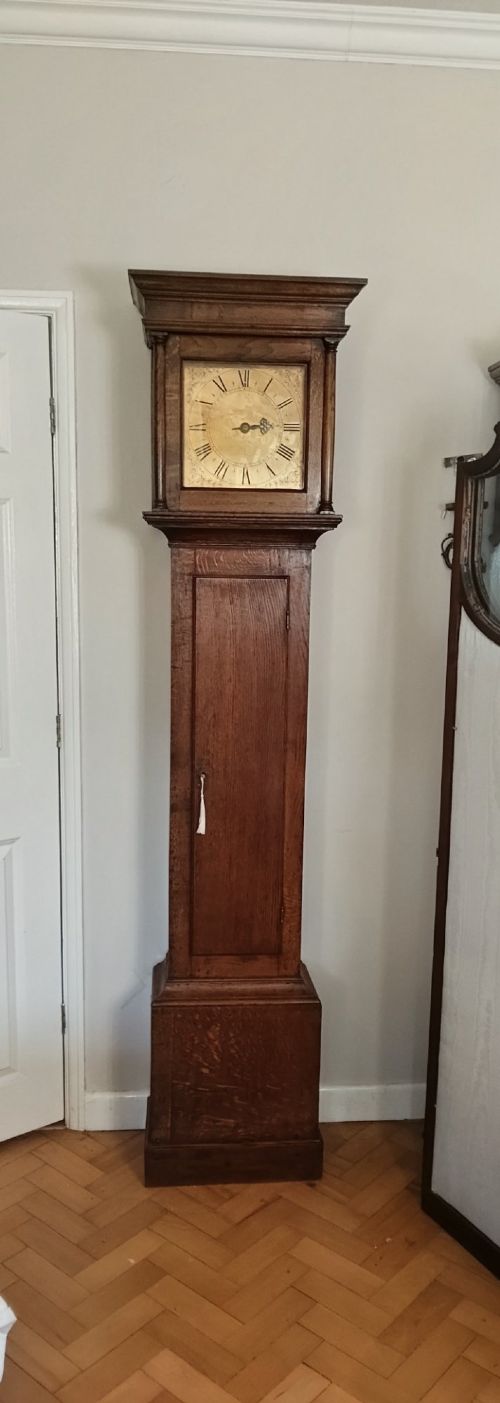
A standing pendulum clock is typically encountered here as a tall longcase or grandfather clock originating from the Georgian period, often built with substantial wooden housings. These floor-standing timepieces integrate a tall trunk to enclose the suspended weight and pendulum alongside an upper hood protecting the dial. Such pieces served as both utilitarian timekeepers and significant household furnishings in period homes.
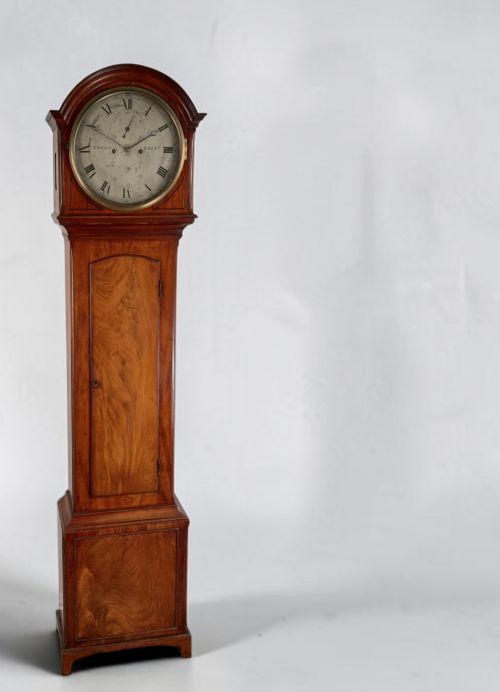
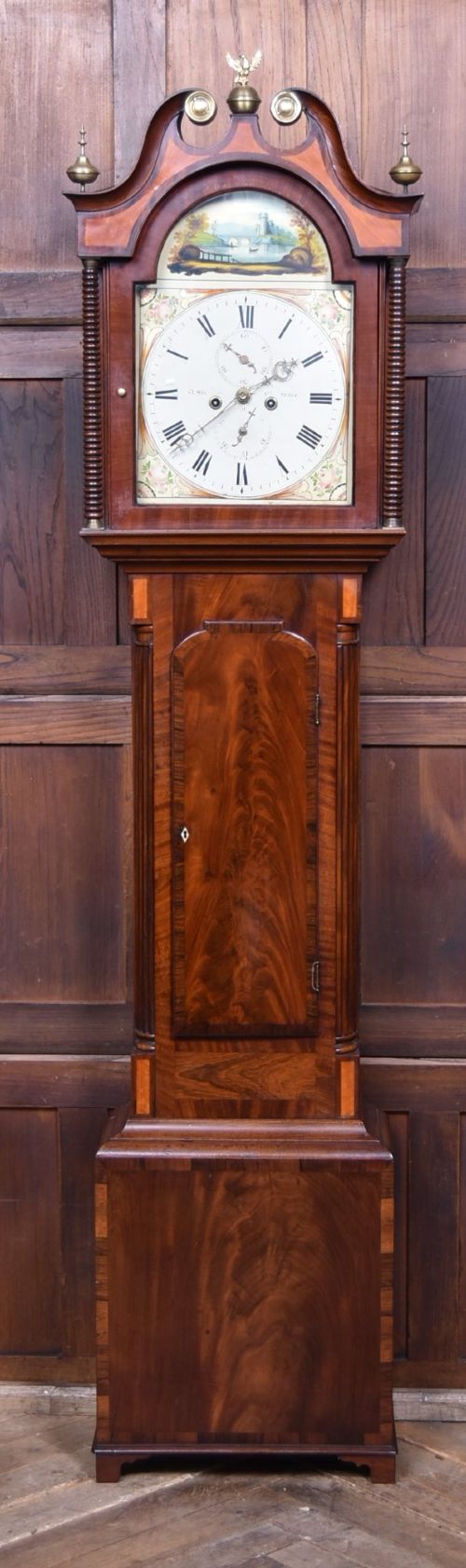
Beyond the classic Georgian longcase form, this category encompasses smaller nineteenth-century grandmother clocks and twentieth-century regulators. The tall housing protects the delicate escapement mechanism while displaying the pendulum's motion through a glazed trunk door or dial aperture. Variations range from country oak cases to refined mahogany examples featuring painted iron dials and rolling moon phases.
Materials and construction
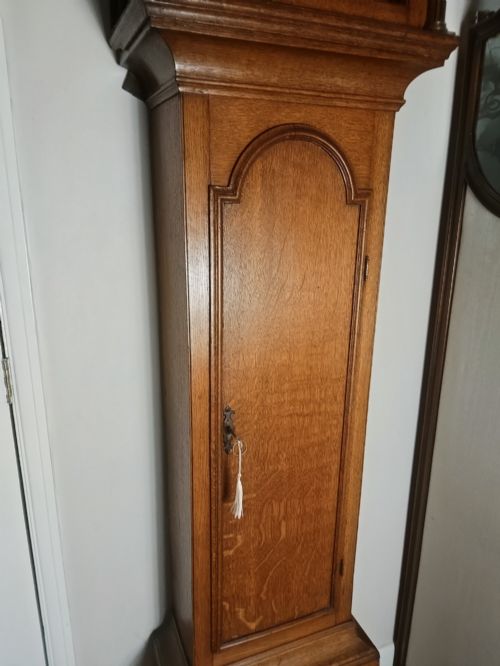
Cabinetmakers constructed the tall floor housings using durable native and imported timbers, principally selecting mahogany and oak for structural stability and rich grain figures. These wooden cases protect the intricate brass and iron gear trains operating the striking mechanisms and dial hands.
Protecting the delicate movement and paper or painted iron dials required fitted glass panels within the upper hood and trunk doors. Metal components combine cast and turned brass wheels with iron plates, driven by hanging weights suspended on lines or chains.
Retail Price Guide 2026
Typical UK retail prices for standing pendulum clock, calculated from the Sellingantiques database of over a million retail prices indexed since 2003. This retail price guide relies exclusively on Sellingantiques data; no external sources or auction records are used, so the figures do not describe the wider market.
Materials recorded across current listings include brass, mahogany, glass, painted iron, and oak.
Distinctions in quality
The distinction between ordinary and superior examples lies in the cabinetry's joinery, timber selection, and dial artistry rather than mere age. Finer pieces exhibit carefully matched mahogany veneers, crisply carved mouldings, and substantial brass movements bearing the maker's signature.
Dial execution separates workshops significantly, with hand-painted iron faces, subsidiary seconds dials, and rolling moon complications representing superior craftsmanship. The architectural proportions of the hood and trunk further define a piece's visual balance and structural integrity.
D Williams of Crickhowell·Stanyer Nantwich
The Standing Pendulum Clock Glossary
- Longcase clock
- A tall, weight-driven pendulum clock housed in a tall wooden case designed to stand directly on the floor. These are frequently referred to as grandfather clocks.
- Regulator
- A precision pendulum clock designed for high accuracy, often featuring a simplified dial layout to facilitate exact time reading. They became prominent during the twentieth century.
- Grandmother clock
- A smaller, more slender version of the traditional longcase clock, typically dating from the nineteenth century. It offers the mechanical complexity of a tall clock in a reduced vertical scale.
- Rolling moon
- A mechanical complication on the dial that tracks the lunar cycle through a rotating painted disc. This feature indicates the phases of the moon alongside standard time.
Frequently Asked Questions
What is a standing pendulum clock?
A standing pendulum clock is a tall floor-standing timepiece that uses a weighted pendulum to regulate its movement. The entire mechanism is housed within a protective wooden case.
These pieces combine functional timekeeping with cabinetry, designed to remain stationary in hallways, living rooms, or stairwells.
How do these clocks keep time?
Timekeeping is governed by a suspended pendulum swinging at a controlled, consistent frequency. Weights suspended inside the trunk provide the driving power as they slowly descend.
An escapement mechanism translates the falling weight's energy into the regular ticks and tocks that advance the hands.
How do I tell different periods apart?
Georgian examples often display robust oak or mahogany longcases with classical architectural hoods and brass dials. Nineteenth-century and later pieces frequently shift toward smaller scales or industrial regulator designs.
Materials, dial construction, and case proportions serve as primary indicators of a clock's age and stylistic origin.
Where should I place one?
These clocks require a stable, level floor and a secure wall attachment to prevent tipping. Placing them away from direct sunlight and dampness protects the wooden case and internal metal components.
Because they stand upright, hallways and principal rooms provide ideal environments where their pendulum action and striking mechanisms can function properly.