



Southeast Asian Art
Southeast asian art gathers centuries of temple sculptures, painted textiles and carved figures from across the region.
Southeast Asian Art
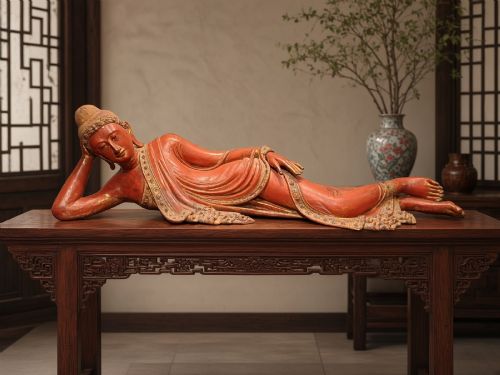
Southeast asian art encompasses traditional devotional figures and cultural works originating from Myanmar, Thailand, Bali, Java and Vietnam. Buyers looking for southeast asian art will encounter bronze and stone Buddha statues, intricately carved wooden deities, and traditional paintings on fabric.
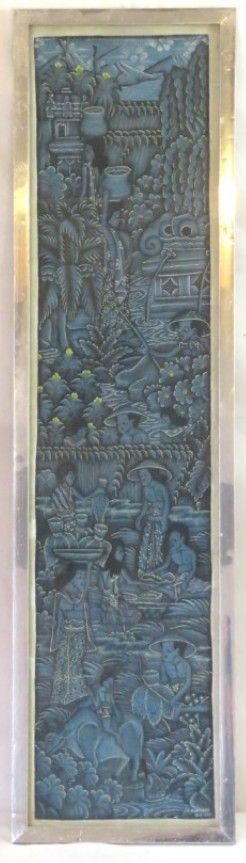
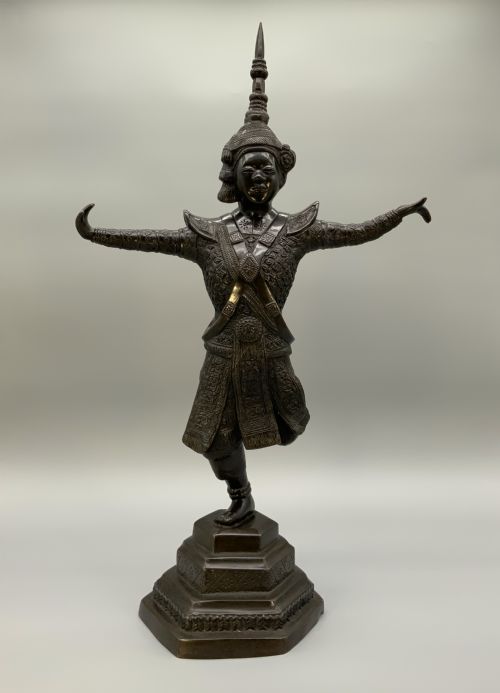
The selections range from early temple pieces spanning the pre-sixteenth century to twentieth-century modernist works and colonial-era school outputs. Wooden sculptures of Garuda and gilded figures sit alongside painted scenes of traditional musicians and dancers.
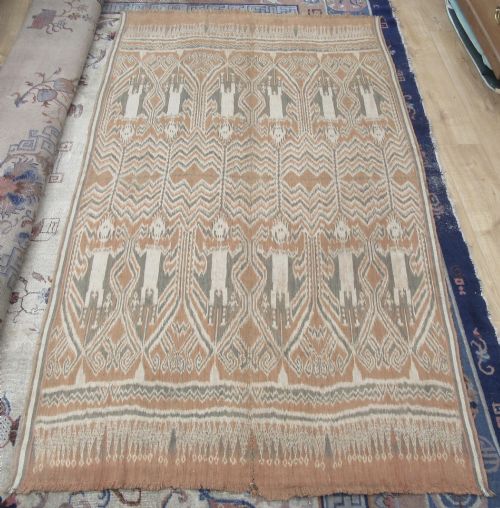
Statues and wall reliefs form a large portion of the material, alongside framed watercolours and textile panels from Borneo. These diverse objects reflect distinct regional styles including Ayutthaya, Mandalay, and Balinese Batuan aesthetics.
Materials and construction
Makers shaped these pieces using bronze casting, stone carving, and hand-carved wood often enhanced with gold leaf and original patination. Metalwork figures utilise traditional lost-wax casting methods to achieve fine detail on crowns and garments.
Wooden and marble sculptures rely on skilled hand carving, sometimes finished with paint or gilt layers. Textiles and wall art combine natural fabrics with watercolours or ikat weaving techniques.
Listings feature works spanning from pre-sixteenth-century stone carvings to Edwardian wood sculptures and twentieth-century Balinese watercolours.
Assessing the range
The integrity of the material and the survival of secondary decorative elements further separate standard items from exceptional examples. Patina accumulated through age and ritual use adds depth to bronzes and carved woods.
The Southeast Asian Art Glossary
- Ayutthaya Period
- A historical era in Thailand spanning from the fourteenth to the eighteenth century, known for distinct bronze Buddha iconography.
- Bhumisparsha Mudra
- The earth-touching gesture depicted in Buddhist art, symbolising the Buddha calling the earth to witness.
- Ikat
- A dyeing technique used to pattern textiles before weaving, common in Indonesian Archipelago panels.
- Nat
- A spirit worshipped in Myanmar, often depicted in pairs through carved wooden or painted figures.
- Patina
- The surface ageing and wear accumulated on bronze, wood, or stone over centuries of exposure and handling.
Southeast Asian Art: Frequently Asked Questions
Where were Balinese paintings made?
Balinese paintings originate from various artistic communities on the island, including Batuan village traditions that depict local musicians and dancers.
These works frequently utilise watercolours on fabric to capture cultural narratives from the early twentieth century.
What is a Burmese Nat statue?
Burmese Nats are spirit figures carved from wood or stone, historically venerated in Myanmar alongside Buddhist traditions.
They often appear in pairs and wear traditional regalia reflecting nineteenth-century craftsmanship.
How should I care for antique wooden carvings?
Antique wooden carvings require stable indoor humidity levels and protection from direct sunlight to preserve the dry surface or painted finishes.
Dusting gently with a soft brush maintains the material without introducing moisture or modern cleaning products.