
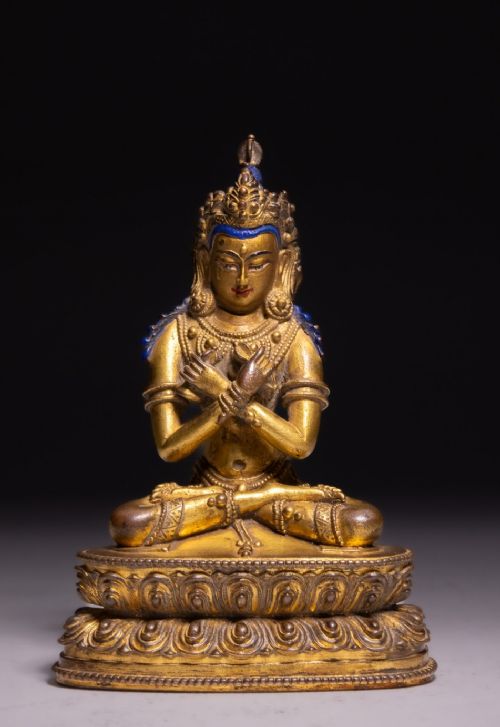
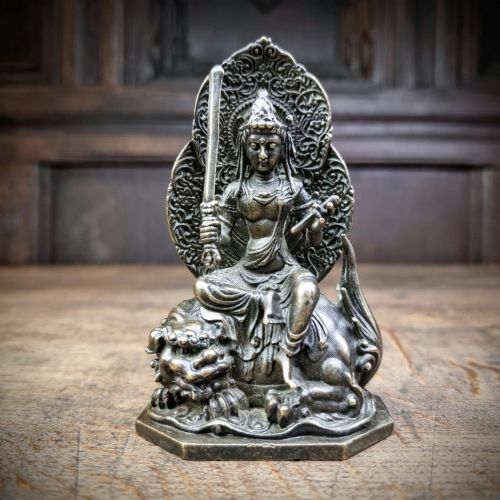


Bronze Buddha Sculpture
A bronze buddha sculpture holds centuries of ritual devotion, bringing meditative calm and classical regional casting traditions straight into a room.
Bronze Buddha Sculpture
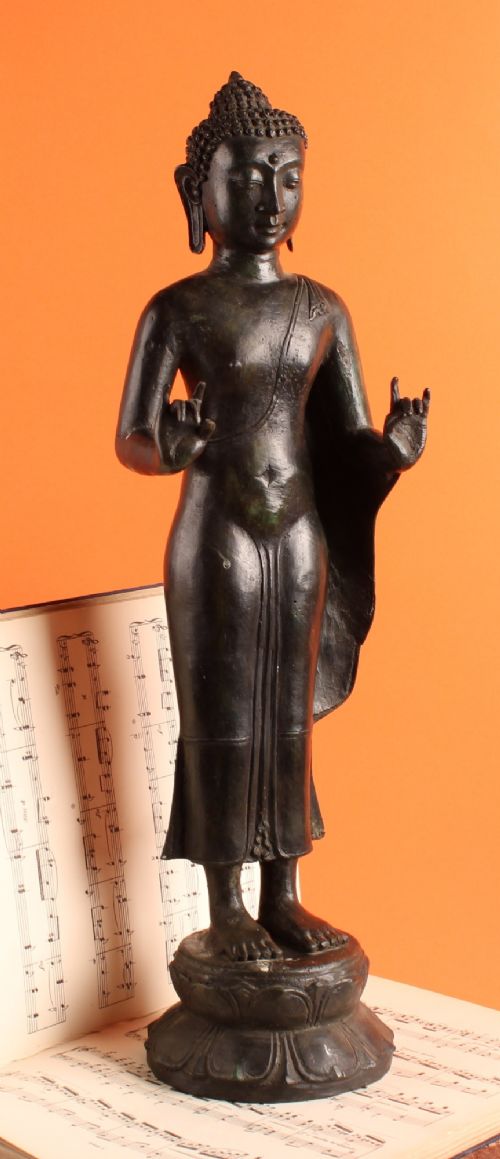
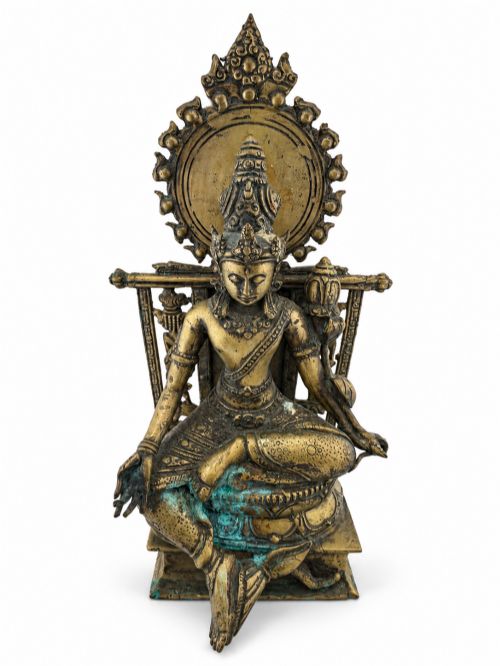
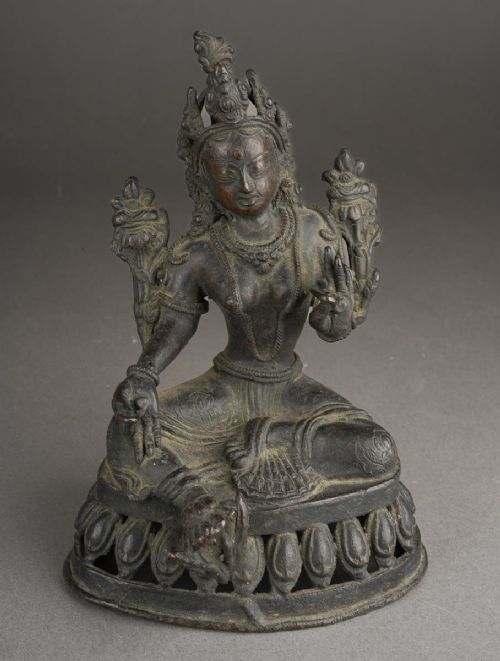
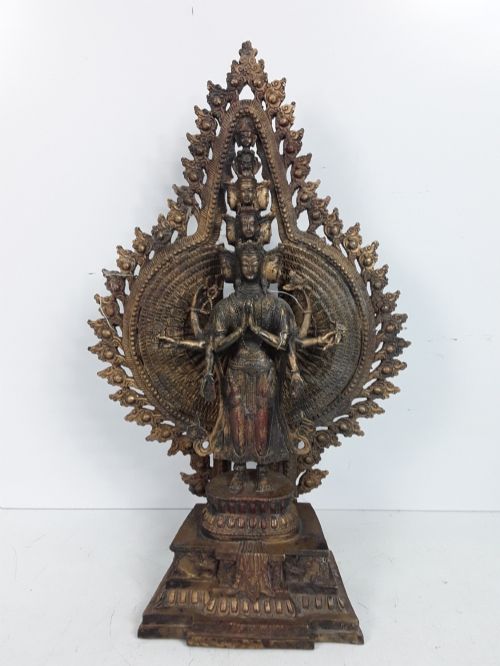
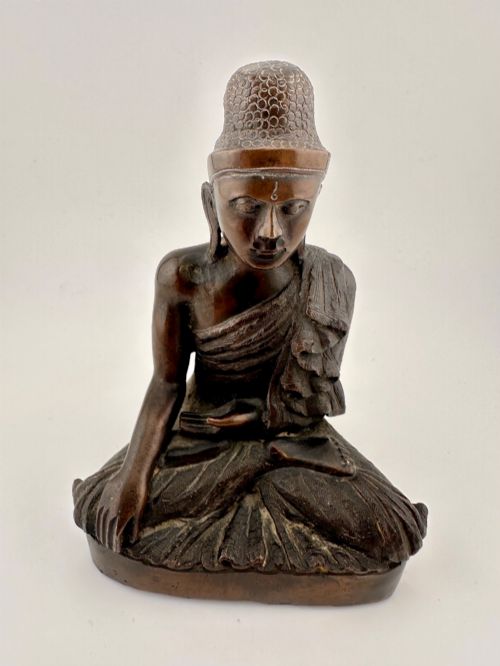
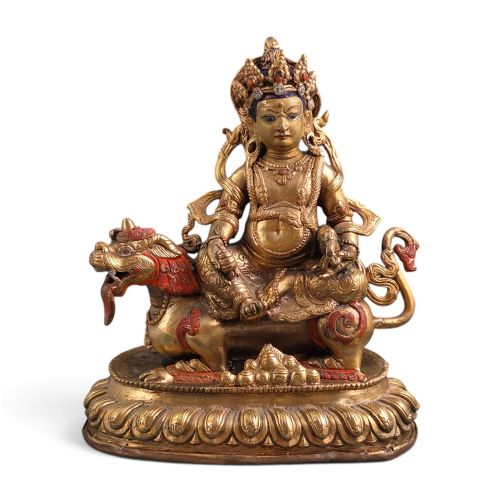
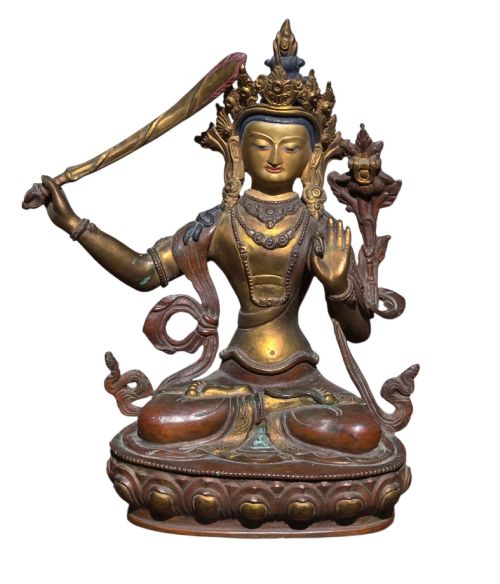
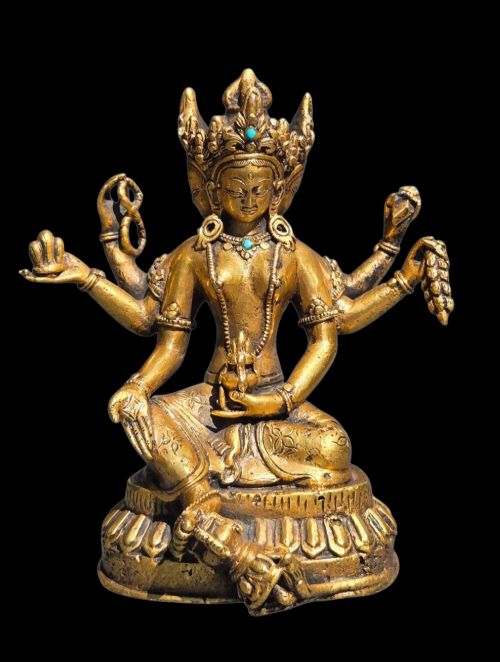
A bronze buddha sculpture brings together centuries of Asian religious iconography, spanning Tibetan, Burmese, Thai, and Sino-Tibetan traditions. Collectors encounter representations of historical figures alongside complex multi-armed deities and compassionate bodhisattvas.
The most common examples on this page date from the nineteenth century, though earlier works from the sixteenth and eighteenth centuries appear regularly. These pieces range from small shrine figures to substantial temple statues cast in solid bronze or copper alloy.
Materials and casting methods
Casting techniques relied on traditional lost-wax methods, allowing artisans to capture intricate details in crowns, robes, and lotus bases. Subsequent surface treatments generated varied patination, from deep brown tones to polished golden finishes.
Assessing quality and craftsmanship
The distinction between ordinary and exceptional works rests upon the crispness of the chasing and the anatomical precision of the hands, face, and lotus throne. Superior examples maintain intact original gilding and secure mineral inlays that complement the primary metal casting.
Proportion and stance dictate the visual impact of each figure, with master founders achieving balanced posture and serene facial expressions. Greater artistic merit aligns with well-preserved patination that reflects the true age of the alloy.
The Bronze Buddha Sculpture Glossary
- Mudrā
- A symbolic hand gesture used in Buddhist iconography to convey specific teachings or states of mind. Common examples include the earth-touching gesture and the double mudrā.
- Bodhisattva
- An enlightened being who delays full entry into nirvana to save other suffering beings. Figures such as Avalokiteshvara and Manjushri take this form.
- Patination
- The natural or induced chemical alteration of the metal surface over time. Original patination provides important visual evidence regarding the age of the bronze.
- Gilt bronze
- Metalwork coated with a thin layer of gold using fire gilding or gold leaf application. This technique accentuates sacred figures within dim temple interiors.
- Lost-wax casting
- A metalworking process where a molten metal is poured into a mould that has been created by means of a wax model. The wax is melted and drained away prior to pouring.
Bronze Buddha Sculpture: Frequently Asked Questions
Where should I place a bronze buddha sculpture?
These sculptures suit quiet spaces where their meditative presence can be appreciated without visual competition. Stable surfaces away from direct moisture protect the metal alloy.
Placing them at eye level allows the fine details of the facial expression and hand mudrās to be clearly seen from a seated position.
What is the difference between a buddha and a bodhisattva?
A buddha represents an enlightened teacher who has achieved ultimate spiritual awakening and release from the cycle of rebirth. These figures typically display monastic robes and serene, unadorned forms.
A bodhisattva chooses to remain active in the world to help others attain salvation, and is usually depicted wearing elaborate royal crowns, jewellery, and scarves.
How do regional styles differ?
Burmese figures often feature distinct cranial protuberances and calm facial structures, while Sino-Tibetan works incorporate ornate flaming mandorlas and intricate base styling. Thai Rattanakosin and Ayutthaya pieces display characteristic crown work and royal garments.
Nepalese and Tibetan sculptures frequently integrate rich gilding with turquoise and coral mineral inlays set directly into the copper alloy body.