
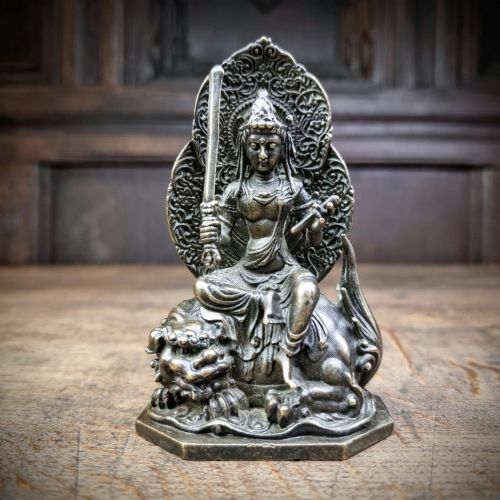


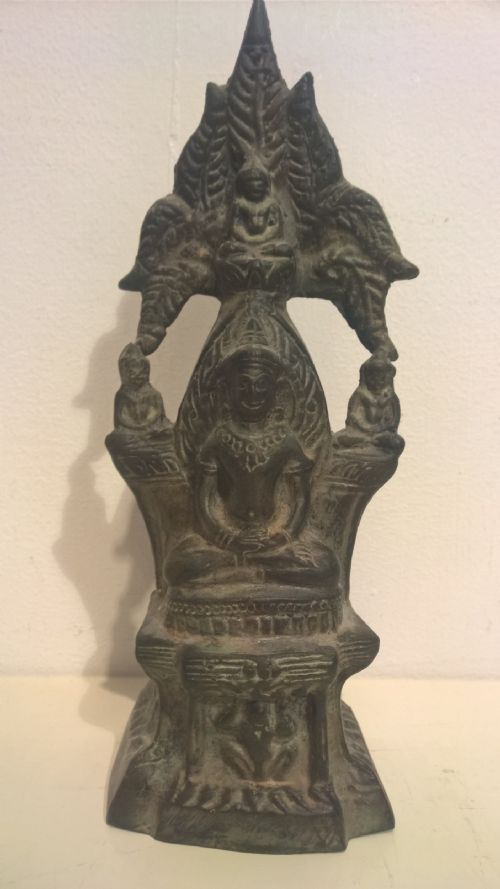
Dark Bronze Buddha
These dark bronze buddha figures are devotional sculptures cast in bronze and copper alloy, offering collectors sacred art from Asian traditions.
Dark Bronze Buddha
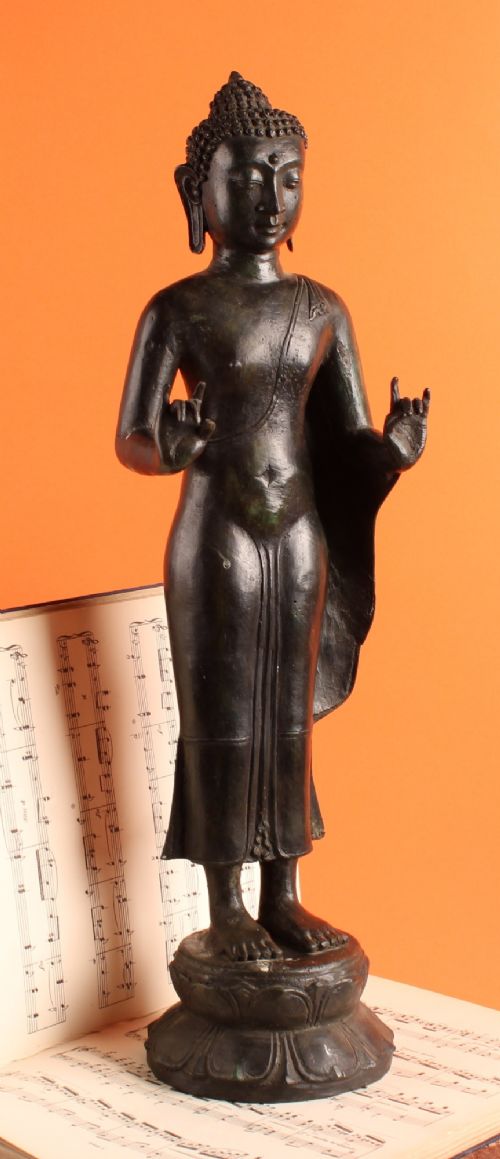
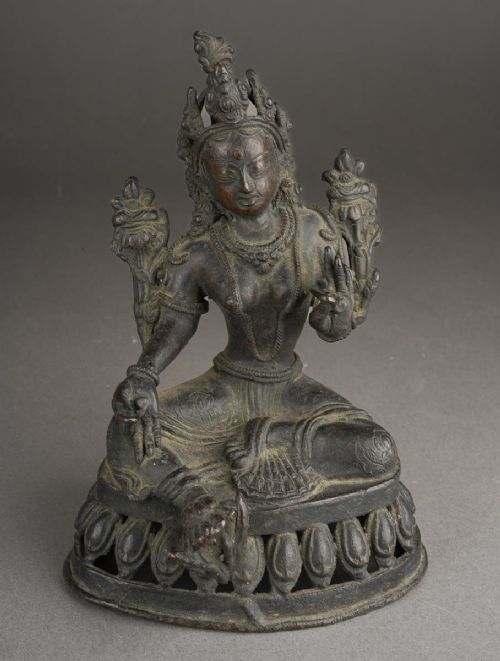
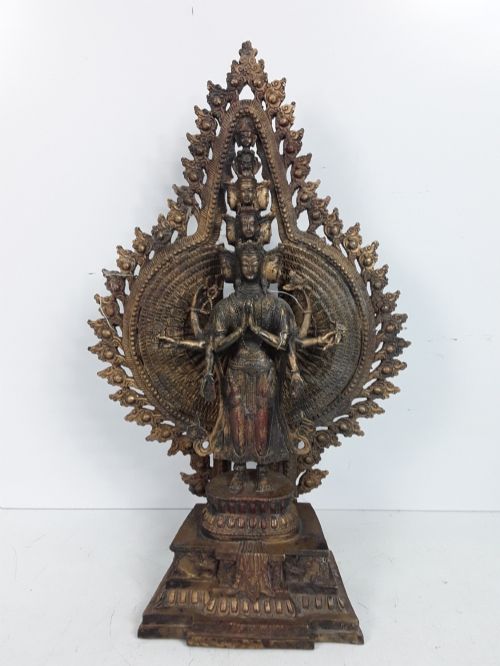
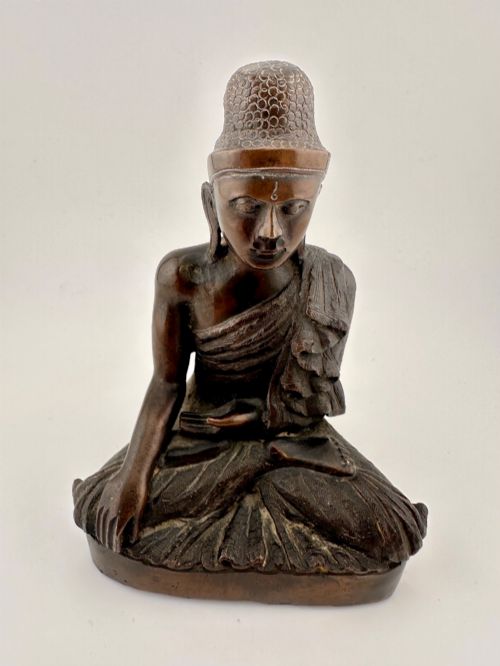
When you search for dark bronze buddha, you encounter sacred sculptures and statues originating from Southeast Asian, Himalayan, Tibetan, and Chinese traditions. The selection spans distinct periods including the sixteenth century, the eighteenth century, and the nineteenth century.
You are most likely to meet nineteenth century Burmese Mandalay figures and Thai Rattanakosin standing pieces. These sculptures depict deities such as Shakyamuni Buddha, Guanyin, Avalokiteshvara, and Tara in traditional forms.
The objects take various sculptural formats, from small shrine statues to large temple bronzes. Each piece reflects the religious iconography of its specific region and era of production.
How they were made
These works are created primarily through casting methods utilising bronze, cast bronze, and copper alloy. Artisans sometimes applied secondary finishes like vermilion pigment to enhance specific details of the sculpture.
Makers shaped the molten metal into complex iconographic forms representing deities and bodhisattvas. The physical weight of the metal and the casting technique dictate the structural presence of each statue.
Listings feature bronzes spanning the sixteenth century to the twentieth century, originating from Burmese, Tibetan, and Thai traditions.
What varies in quality
The fineness of a cast sculpture depends on the clarity of the facial expression and the crispness of the robes and ornamentation. Artisans working in major periods achieved greater anatomical precision and decorative detail.
Surface condition and patination contribute significantly to the visual character of each bronze. Original patination and preserved pigment layers distinguish superior examples from heavily cleaned pieces.
The Dark Bronze Buddha Glossary
- Bronze
- An alloy consisting primarily of copper, traditionally mixed with tin. This metal forms the durable base material for the majority of these sacred sculptures.
- Mudra
- A symbolic hand gesture used in Buddhist iconography. Each specific mudra conveys a particular teaching or state of mind.
- Bodhisattva
- An enlightened being dedicated to assisting others on the path to liberation. Figures such as Avalokiteshvara and Guanyin represent this spiritual archetype.
- Patination
- The natural or induced coloration that develops on the surface of bronze over time. Preserved patination indicates age and environmental exposure.
- Ayutthaya Period
- A historical era in Thailand lasting from the fourteenth to the eighteenth century. Sculptures from this time display distinct regional artistic characteristics.
Dark Bronze Buddha: Frequently Asked Questions
What is a mudra on a statue?
A mudra is a ritual hand gesture depicted on Buddhist figures to signify specific teachings, protection, or meditation.
Different hand placements allow observers to identify the particular spiritual state or historical moment being represented.
How should I clean a bronze sculpture?
Bronze statues generally require minimal intervention beyond gentle dusting with a soft cloth to protect the historic surface.
Avoid using abrasive cleaners or polishes that might strip away the original dark patination or remaining pigment.
What distinguishes Guanyin from other figures?
Guanyin is the bodhisattva of compassion, frequently depicted with specific attributes signifying mercy and divine assistance across Asian traditions.
Sculptures of this deity often incorporate ornate crowns, flowing robes, and serene facial expressions.