





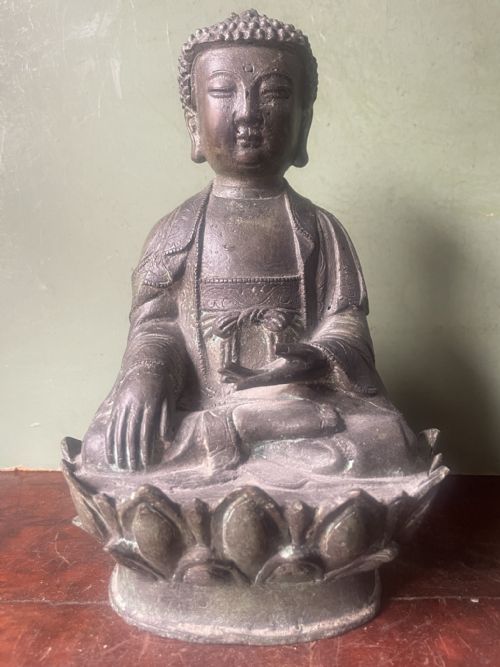

Dark Bronze Buddha Statue
A dark bronze buddha statue brings focused meditative presence to a room through centuries of Asian casting traditions and deep metallic patination.
Dark Bronze Buddha Statue
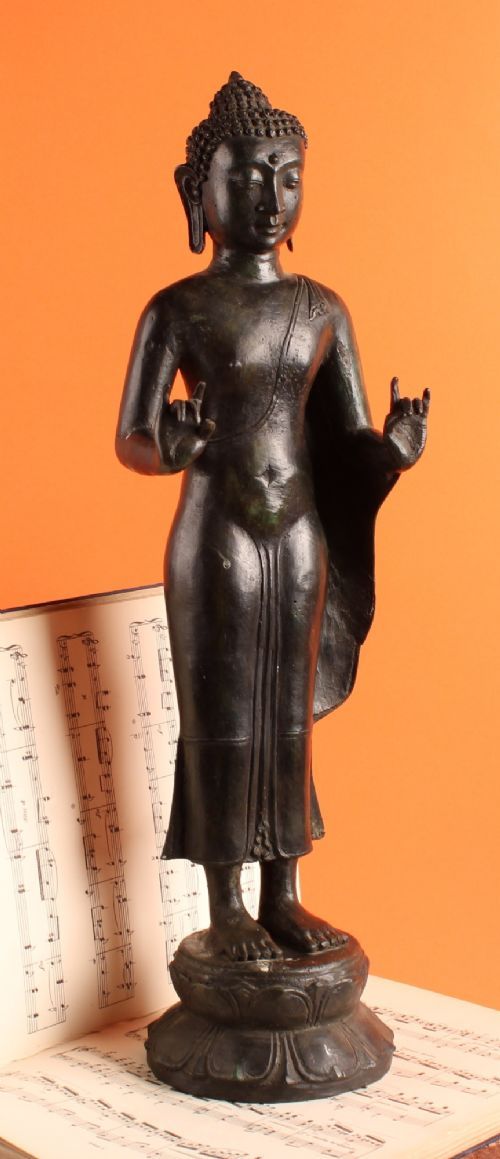
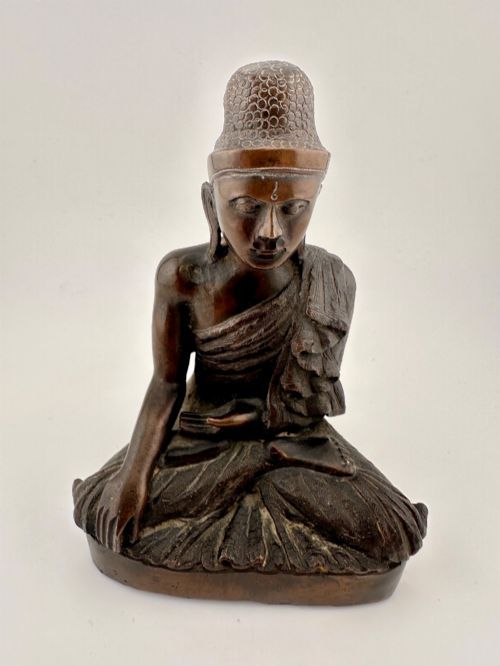
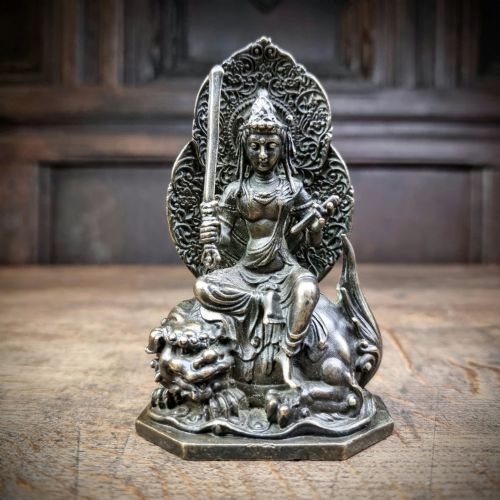
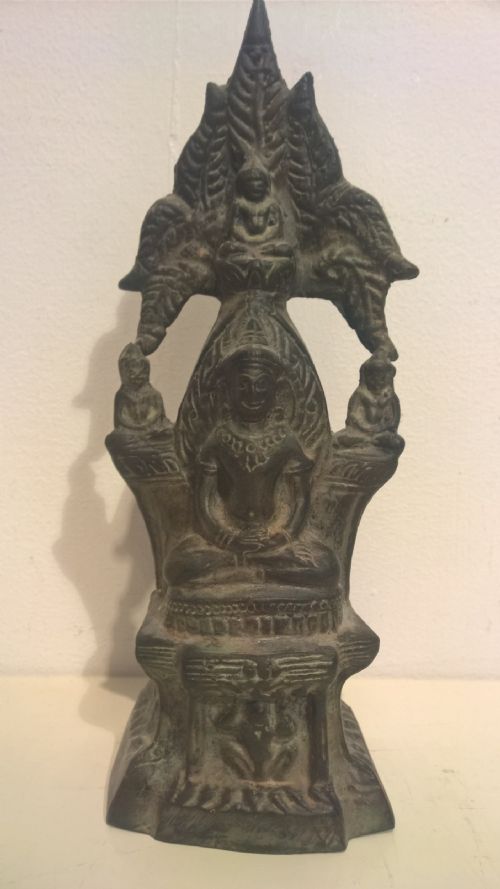
When you search for a dark bronze buddha statue, you encounter sacred sculptures originating from regions spanning Tibet, Burma, Thailand, Nepal, and China. These figures portray revered Buddhist deities including Shakyamuni Buddha, Avalokiteshvara, and Guanyin, each adopting traditional symbolic postures and gestures.
The most common examples on this page date from the nineteenth century, though earlier pieces from the Ayutthaya period and the sixteenth century appear alongside later works up to the nineteen-thirties. Forms range from small portable shrine figures measuring just over ten centimetres to large temple sculptures.
Regional styles dictate the silhouette and ornamentation, distinguishing the sharp crown work of Himalayan pieces from the serene curves of Burmese Mandalay Buddhas and the distinct iconography of Rattanakosin standing figures.
How they were made
Maker-craftsmen typically utilised the lost-wax casting method to produce solid or hollow cast bronze and copper alloy sculptures. This technique allowed intricate detailing of robes, hair curls, and facial expressions to transfer directly into the molten metal.
Many figures retain traces of vermilion pigment or possess original old dark patination developed over centuries of handling and ritual use. Artisans often finished the surfaces through polishing and application of dark patinating agents to accentuate the contours of the deity.
Dark Bronze Buddha Statue Retail Price Guide 2026
Typical asking prices for dark bronze buddha statue among the pieces listed under this phrase on Sellingantiques today, from the lower quarter to the upper quarter. They describe what is for sale here now, not the wider market.
Object forms documented on this page include standing figures, seated Buddhas, eleven-headed Avalokiteshvara representations, and Guanyin statues.
What varies in quality
The survival of original surface patination and polychrome details significantly influences the visual depth of a piece. Examples that display authentic signs of ritual handling alongside stable, undisturbed metallic skin command greater appreciation.
The Dark Bronze Buddha Statue Glossary
- Mudras
- Symbolic hand gestures made by the Buddha that convey specific teachings, protection, or fearlessness. Each distinct hand position helps identify the particular deity and moment in the Buddha's life.
- Bhumisparsha mudra
- The earth-touching gesture where the right hand reaches down to touch the ground, calling the earth to witness the Buddha's enlightenment. This posture frequently appears on Burmese and Thai bronze statues.
- Avalokiteshvara
- The bodhisattva who embodies the compassion of all buddhas, often depicted with multiple arms or heads such as the eleven-headed Chenrezig form. This figure represents boundless mercy toward suffering beings.
- Patination
- The natural or artificially induced coloration on the surface of bronze caused by oxidation and age. Original old patination adds historical depth and protects the underlying metal alloy.
- Lost-wax casting
- A metalworking process where a molten metal is poured into a mould that has been created by means of a wax model. Once the mould is set, the wax is melted and drained away to leave the precise metallic sculpture.
Dark Bronze Buddha Statue: Frequently Asked Questions
How do I care for a bronze statue?
Keep the sculpture in a stable environment away from direct moisture and extreme temperature fluctuations. Dust gently with a soft, dry brush without applying commercial polishes that might strip the historic patina.
Allow the metal to age naturally in the air. Handling the piece with clean hands ensures the natural oils do not build up on the bronze surface over time.
Where were these statues originally placed?
Many of these figures stood within domestic shrines, monasteries, or communal temples across Southeast Asia and the Himalayas. Portable pieces served personal devotional practices for travellers and household worshippers alike.
Larger statues often occupied central altars where monks and devotees offered prayers, flowers, and ritual chants daily.
How can I tell the regional style apart?
Burmese Mandalay figures generally feature calm, rounded facial expressions with elaborate robes and serene body contours. Tibetan and Nepalese bronzes often display more ornate jewellery, crowns, and complex multi-limbed iconography.
Thai Rattanakosin and Ayutthaya pieces reveal distinct crown designs, elongated earlobes, and specific standing or seated postures unique to Siamese temple traditions.