




Thai Bronze Statue
A thai bronze statue brings cast metal craftsmanship and centuries of spiritual devotion directly into a room.
Thai Bronze Statue
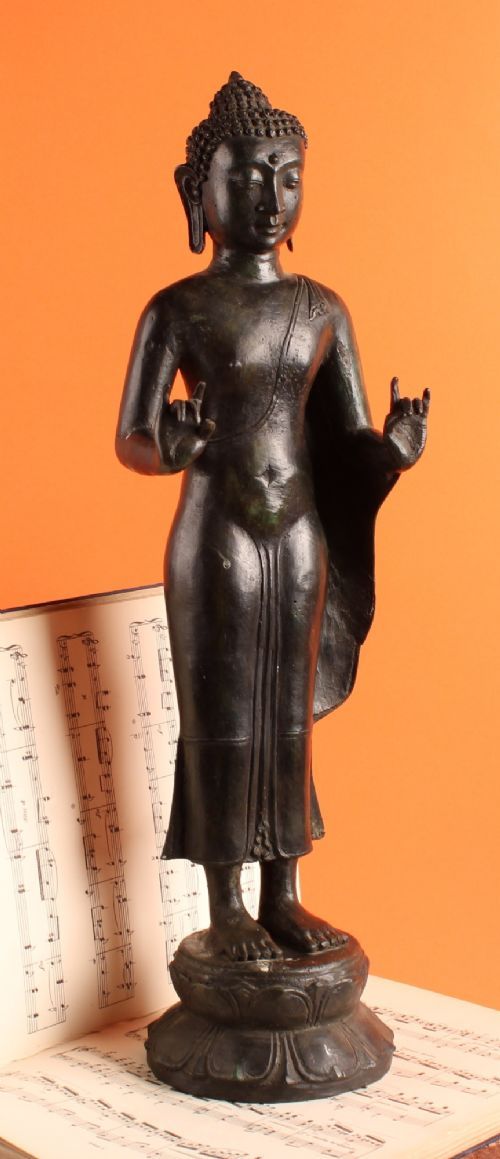
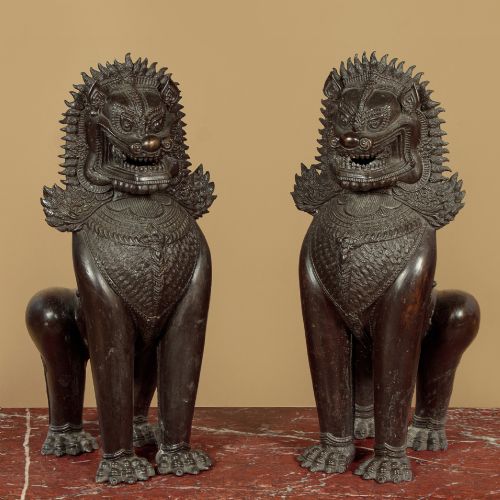
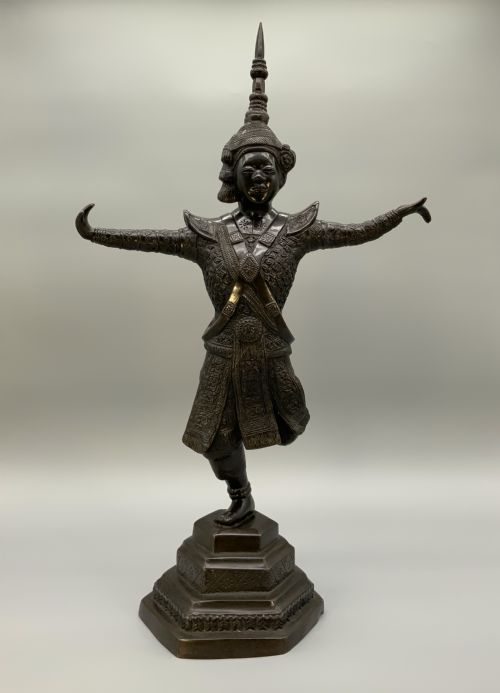
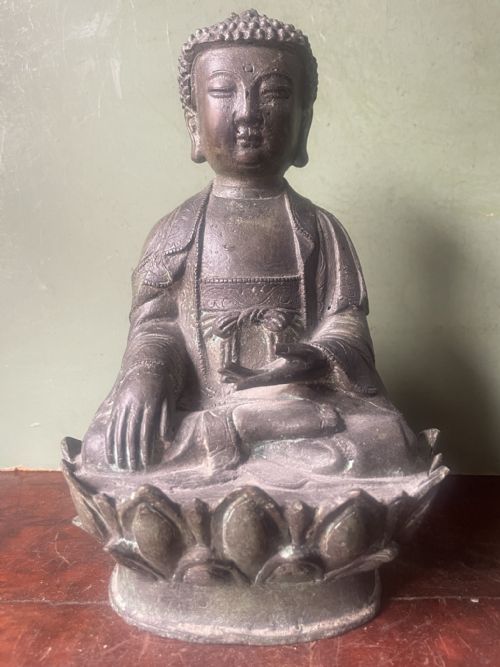
A thai bronze statue spans figures of Buddha, temple lions, court dancers, and classical busts created across several distinct periods. These works capture centuries of Southeast Asian artistry, ranging from regional interpretations to specific dynastic eras.
The versions most frequently met on this page date from the nineteenth century, alongside earlier examples linked to the Ayutthaya period and Rattanakosin styles. Buyers encounter both standing and seated figures, often distinguished by traditional hand gestures and patinations.
Forms vary from devotional temple sculptures to decorative studies and applied arts school pieces. Each object reflects the cultural and religious context of its origin, utilising traditional casting methods handed down through generations.
How they were made
Makers utilised bronze and cast bronze as the primary structural materials, frequently applying gilding or maintaining original old patination. Metalworking techniques allowed artisans to achieve intricate details in robes, crowns, and facial expressions.
Certain works incorporate contrasting elements such as wood or marble bases to support the heavier cast metal bodies. Polished solid bronze surfaces highlight the natural metallic grain and the subtle colour variations of the alloy.
Thai Bronze Statue Retail Price Guide 2026
Typical asking prices for thai bronze statue among the pieces listed under this phrase on Sellingantiques today, from the lower quarter to the upper quarter. They describe what is for sale here now, not the wider market.
One nineteenth-century bust on display carries the title Thaiis, linking Southeast Asian subject matter directly to European Art Nouveau sculpture.
What varies in quality
The condition and authenticity of the patination heavily influence the character of the piece. Surviving original surface treatments and age-appropriate wear provide evidence of a statue's age and historical context.
The Thai Bronze Statue Glossary
- Ayutthaya Period
- A historical era in Thailand lasting from the fourteenth to the eighteenth century, known for distinct sculptural styles featuring crowned Buddha figures. Pieces from this time display characteristic royal attire and serene expressions.
- Rattanakosin
- A style period originating with the founding of Bangkok in the late eighteenth century, often associated with ornate details and refined bronze casting. Figures from this tradition frequently showcase elaborate monastic robes and double mudras.
- Mudra
- A symbolic hand gesture in Buddhist sculpture that conveys specific teachings, fearlessness, or earth-witnessing. The position of the hands helps identify the narrative meaning of the statue.
- Patination
- The natural or artificial coloration developed on the surface of bronze over time through oxidation and handling. Original patination preserves the historic appearance of the metal.
Thai Bronze Statue: Frequently Asked Questions
How do I identify an Ayutthaya period piece?
Ayutthaya period pieces often feature crowned Buddha figures with elaborate royal ornamentation and distinct facial structures.
Examining the casting technique and the type of patination helps confirm the historical context of these older works.
What does a double mudra signify?
A double mudra involves specific hand positions that communicate teachings and spiritual protection in Buddhist iconography.
These gestures are key indicators of the religious narrative intended by the maker.
Where should I place a heavy bronze statue?
Heavy bronze sculptures require sturdy furniture or dedicated display stands capable of supporting substantial weight safely.
Positioning them away from high-traffic walkways protects both the piece and its surroundings.
How should I clean patinated bronze?
Patinated bronze surfaces require only gentle dusting with a soft, dry cloth to prevent accumulation.
Avoid using commercial metal polishes or liquids that can strip away the historical surface colour.