





Standing Buddha Statue
These standing buddha statue pieces are sculptural works spanning centuries, offering serene presence and historical depth to a collection.
Standing Buddha Statue
When you search for standing buddha statue, you encounter sculptural works that cross multiple centuries and geographical regions. The pieces available range from early periods such as the sixteenth century to later twentieth century examples.
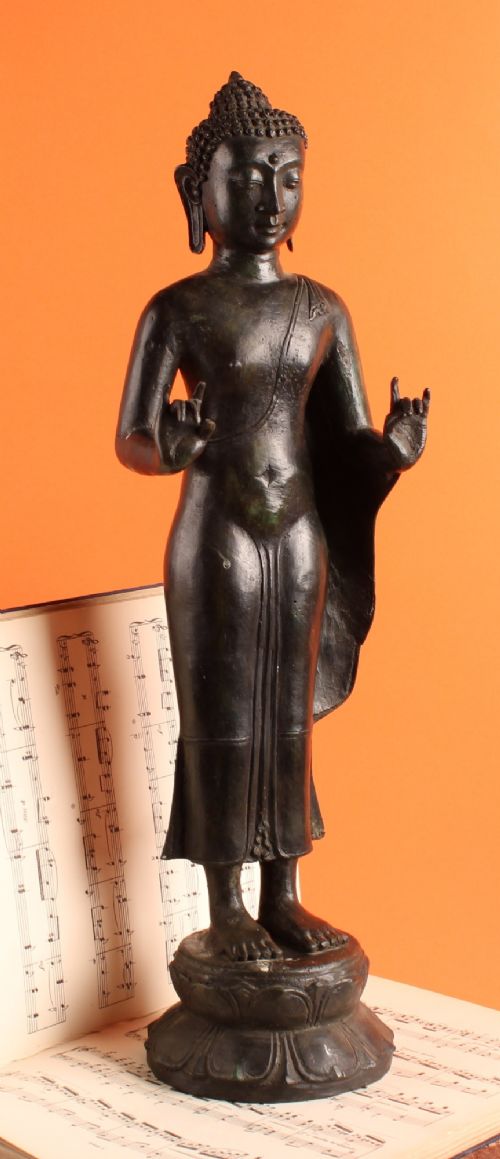
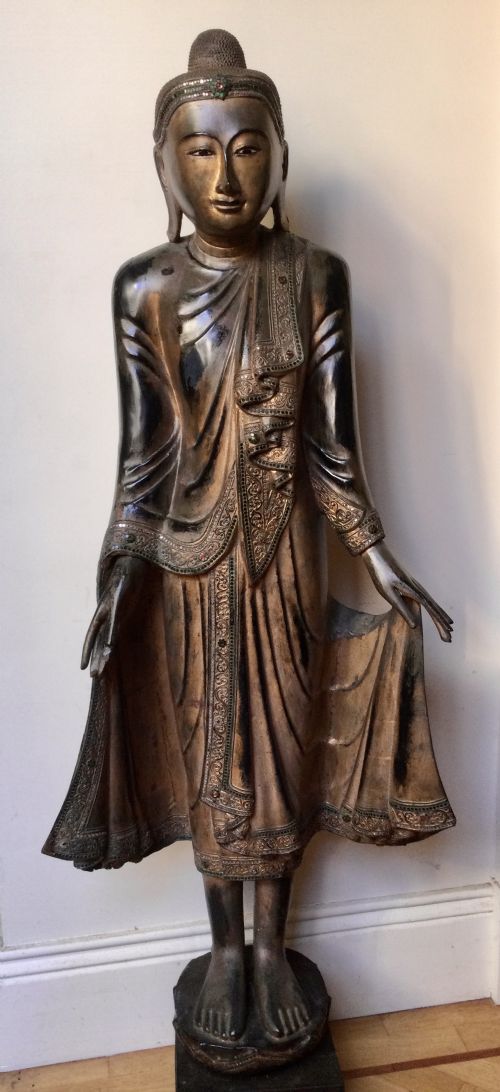
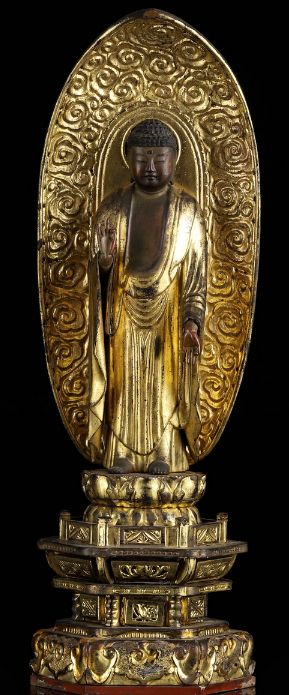
You meet various traditional forms across these listings, including figures from Thai, Chinese, Japanese, Burmese, and Sri Lankan origins. The selection encompasses bronze figures, carved wood statues, and stone examples.
The objects take the form of standing figures, crowned buddha representations, and related deities such as Guanyin. These sculptures reflect distinct regional traditions like the Ayutthaya period, Qing dynasty, and Edo period.
How they were made
Makers utilised cast bronze, often incorporating gilding, gold leaf, or original old patination to finish the metal surface. These cast pieces demonstrate traditional foundry techniques found across Southeast Asian and Chinese workshops.
Wood sculptures were carved from timber and frequently finished with polychrome pigments, lacquer, or surface gilding. This combination of carving and applied surface decoration defines many of the Japanese and Burmese examples.
Certain works employ stone or alabaster materials, shaped through traditional masonry and carving methods. These varied manufacturing approaches align directly with the specific regional styles and historical periods recorded in the evidence.
Standing Buddha Statue Retail Price Guide 2026
Typical asking prices for standing buddha statue among the pieces listed under this phrase on Sellingantiques today, from the lower quarter to the upper quarter. They describe what is for sale here now, not the wider market.
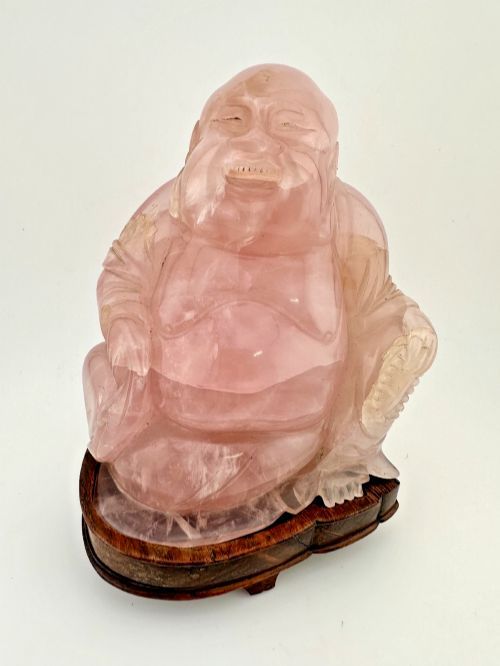
A metal laughing buddha collection appears alongside serene standing figures, proving antiquity enjoys a sense of humour.
What varies in quality
The nuance of the carving and the preservation of original surface details distinguish the workmanship across these sculptures. Pieces retain varying degrees of original gilding, polychrome pigments, and natural patination over the bronze or wood substrate.
The refinement of casting in bronze examples or the crispness of detail in carved wooden figures dictates the visual strength of the object. Proportions and stance execution reflect the skill of the original maker within specific regional traditions.
The Standing Buddha Statue Glossary
- Ayutthaya Period
- A historical era in Thailand associated with distinct bronze casting styles and crowned buddha figures. Pieces from this time often exhibit traditional patination and royal iconographic details.
- Gilding
- The application of gold leaf or powder to the surface of bronze or wood sculptures. This technique enhances the visual prominence of the figure and preserves the underlying material.
- Edo Period
- A historical epoch in Japan known for refined woodworking and sculpture production. Works from this time often utilise carved wood with gilt finishes.
- Mudras
- Symbolic gestures made with the hands in Buddhist sculpture. Specific hand positions convey particular spiritual meanings and teachings.
Standing Buddha Statue: Frequently Asked Questions
How do I date a standing buddha statue?
Dating relies on stylistic markers associated with specific periods like the Ayutthaya era or Qing dynasty. Material analysis of the bronze patination, wood type, or pigment wear also aids identification.
Comparison with documented examples from similar regions helps establish the likely century of manufacture.
What materials are common in these sculptures?
The listings show bronze, gilt bronze, carved wood, stone, and alabaster as primary materials. Many surfaces feature additional elements such as gold leaf, lacquer, or polychrome pigments.
These materials reflect the regional workshops of Thailand, China, Japan, Burma, and Sri Lanka.
Where were these statues placed historically?
These sculptures functioned primarily as devotional objects within temples, shrines, or domestic altars. Their physical scale varied from smaller portable figurines to large monumental statues.
Their placement reflected their sacred role in Buddhist and related religious practices across Asia.