

Antique Buddhist Figure
An antique buddhist figure brings centuries of contemplative presence into a room, spanning bronze deities, carved wood figures and porcelain immortals.
Antique Buddhist Figure
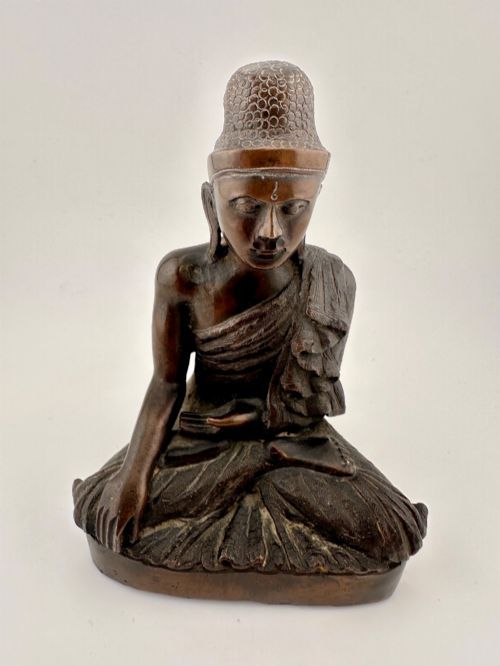
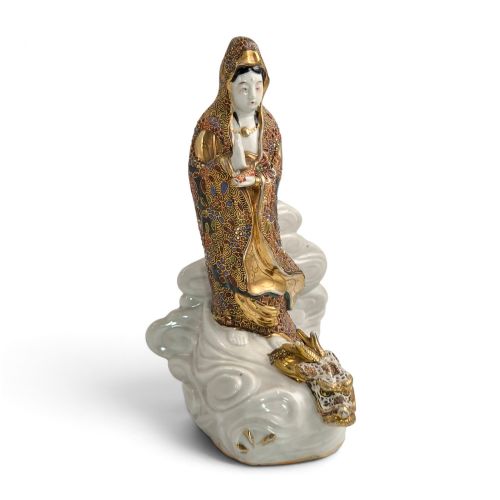
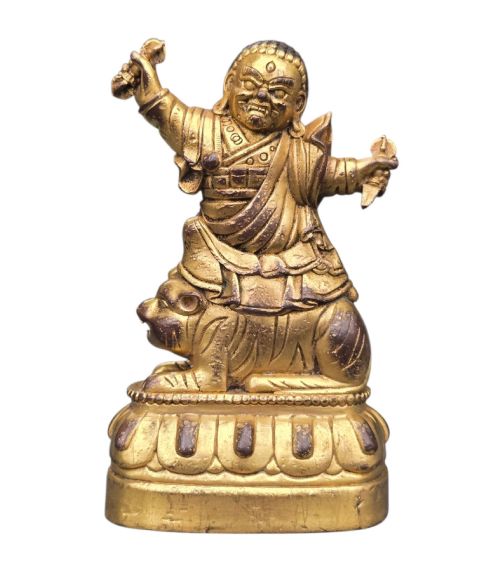
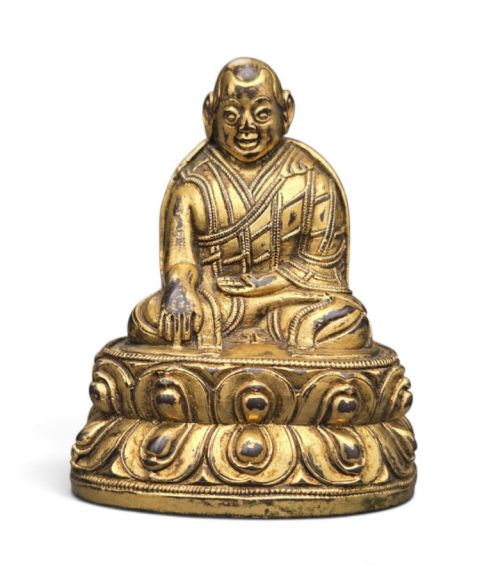
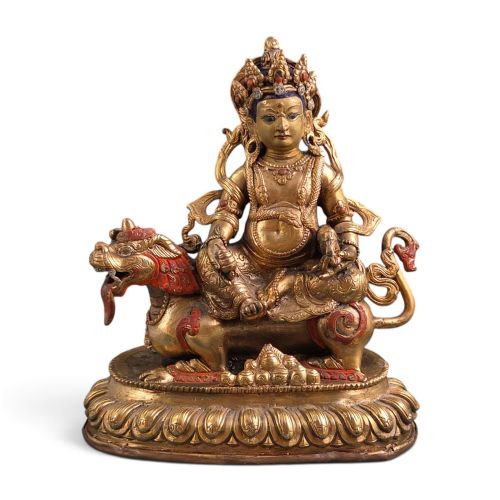
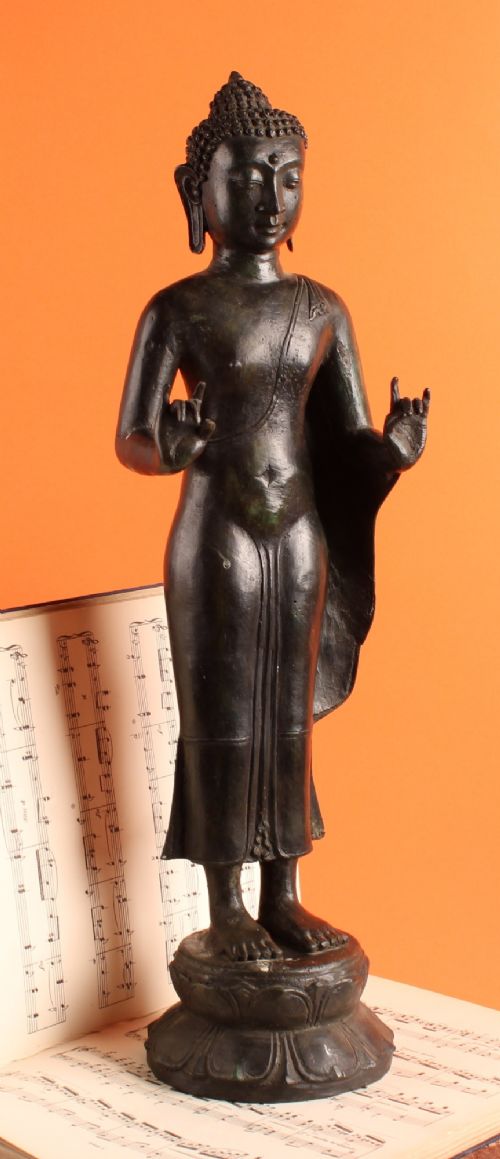
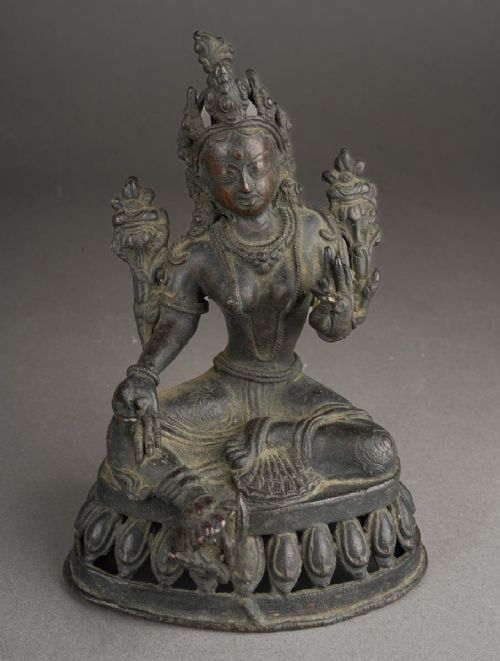
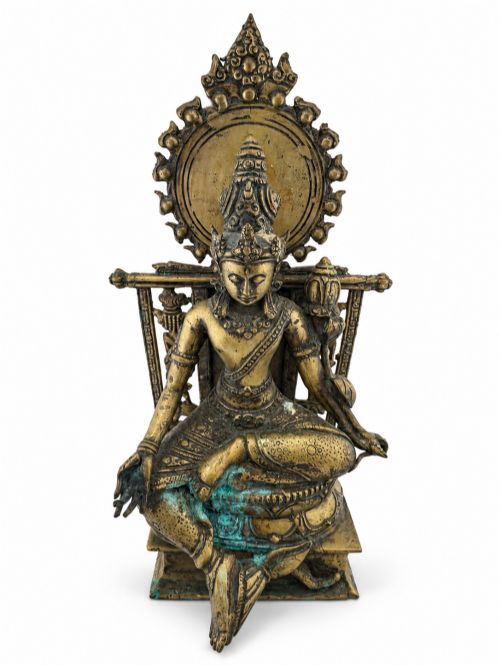
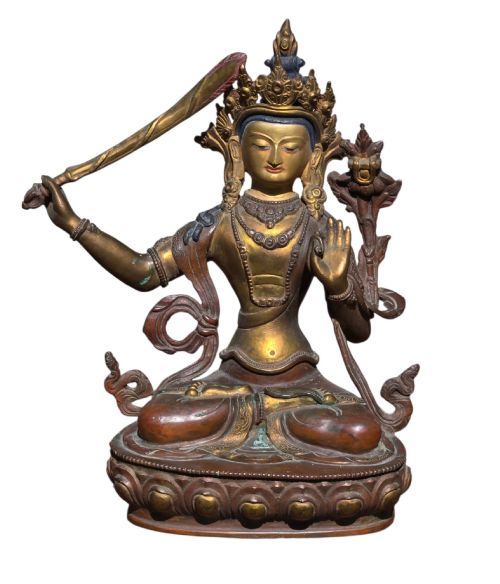
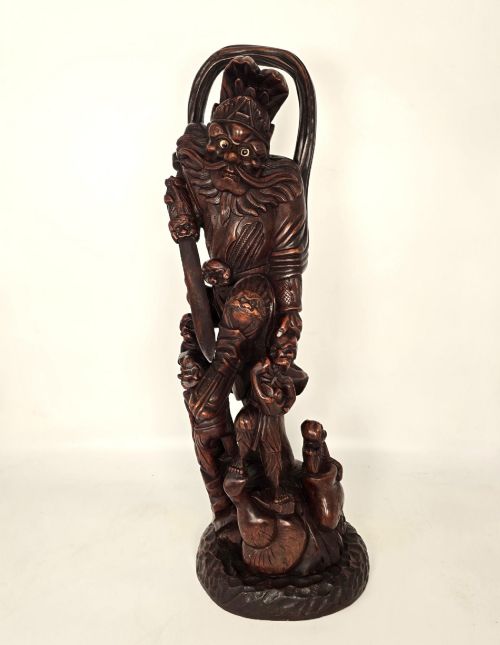
An antique buddhist figure encompasses cast metal deities, carved wooden statues and ceramic figures originating from regions such as Tibet, Nepal, China, Japan, Thailand and Burma. These works represent figures of veneration, including Buddhas, bodhisattvas, guardians and ascetics.
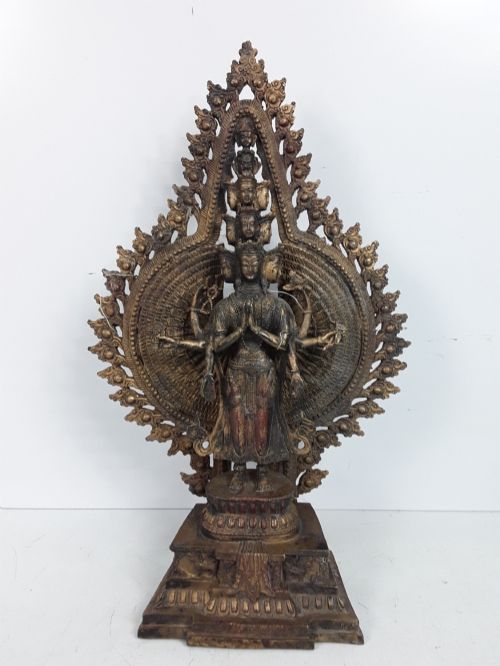
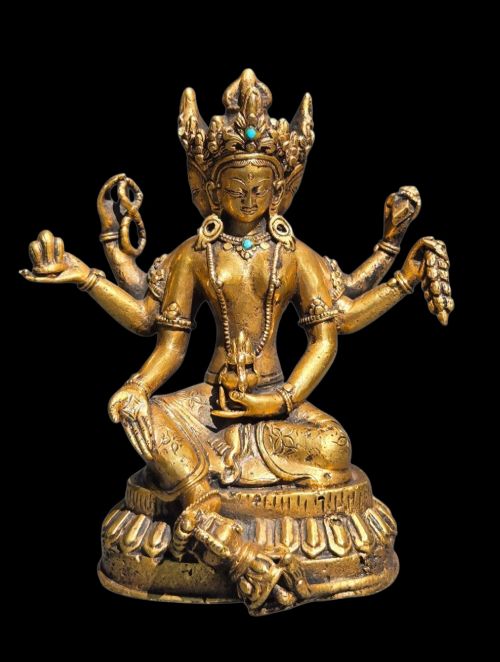
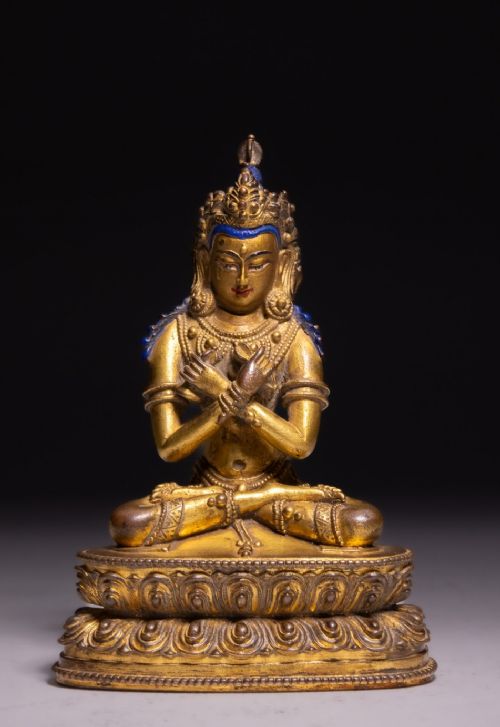
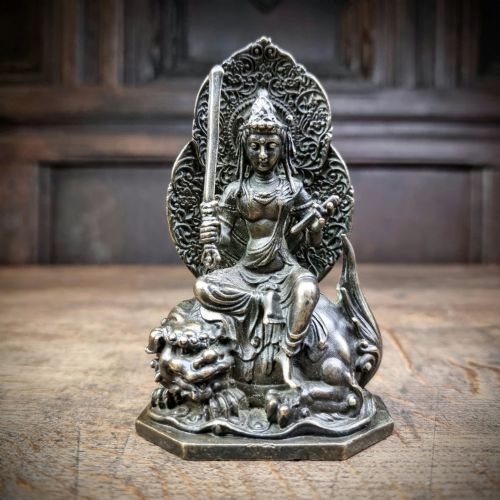
The pieces available on this page run from small domestic shrine statues to larger temple sculptures. Examples include manifestations such as Guanyin, Green Tara, Avalokiteshvara and seated Buddhas displaying specific mudras.
Dated examples stretch from the sixteenth century through the nineteenth century and into the early twentieth century. Common stylistic traditions represented include Sino-Tibetan, Mandalay, Rattanakosin, Edo and Meiji periods.
How they were made
Metal sculptures are typically produced through the lost-wax casting method using bronze, copper alloy or gilt metal, often enhanced with applied gold leaf, cold painting or turquoise inlays. Gilt bronze examples receive layers of gold applied to the metal surface.
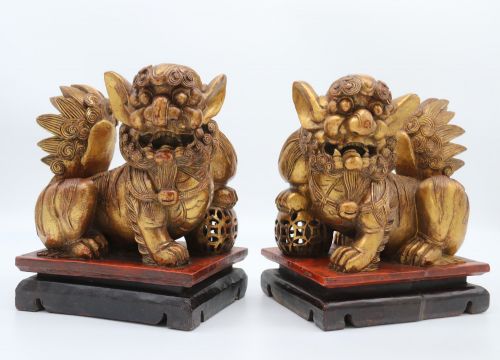
Wooden statues rely on carved timbers, sometimes finished with layers of lacquer, polychrome paint or gold leaf over carved gesso details. Ceramic figures utilise porcelain, pottery or terracotta, decorated with glazes such as Famille Rose enamels or Kutani pigments.
Antique Buddhist Figure Retail Price Guide 2026
Typical asking prices for buddhist figure among the pieces listed under this phrase on Sellingantiques today, from the lower quarter to the upper quarter. They describe what is for sale here now, not the wider market.
Several listings include multi-armed deities, eleventh-headed manifestations and stone figures seated on lions.
What varies in quality
The preservation of original surface treatments, such as gilding, polychrome pigment, lacquer or gold leaf, heavily influences the integrity of a piece. Pieces retaining their early or primary surface finishes alongside stable material structures demonstrate greater artistic and historical cohesion.
Unno Shomin
The Antique Buddhist Figure Glossary
- Mudra
- A symbolic hand gesture used in iconography to convey specific teachings or states of mind. Different mudras identify particular actions or aspects of enlightenment.
- Bodhisattva
- An enlightened being who defers entering nirvana to assist others on the spiritual path. These figures are typically adorned with royal jewellery and elaborate crowns.
- Okimono
- A Japanese freestanding decorative statue made for display in a domestic interior. These objects were widely produced in porcelain, iron and wood during the Meiji period.
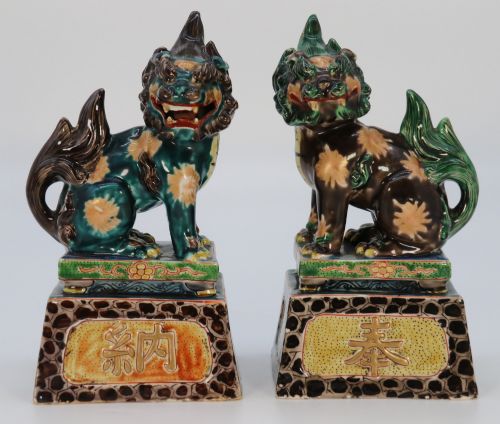
- Shishi
- A mythical lion guardian traditionally placed at temple entrances or shrines to ward off malevolent spirits. They are frequently depicted seated and paired as protectors.
- Gilt Bronze
- Metalwork coated with a thin layer of gold using fire gilding or gold leaf application. This technique imparts a radiant finish that resists tarnishing over centuries.
Antique Buddhist Figure: Frequently Asked Questions
What is the difference between a Buddha and a Bodhisattva?
A Buddha has achieved full enlightenment and liberation from the cycle of rebirth, depicted with simple robes and traditional cranial protuberances denoting supreme wisdom.
By contrast, a Bodhisattva remains in the world to guide humanity, shown wearing princely garments, scarves and elaborate jewellery.
How should I care for antique wood and gilt surfaces?
Keep wooden and gilded figures away from direct sunlight and dramatic shifts in temperature or humidity, which can cause timber to split and finishes to flake.
Dust them gently with a dry, soft brush rather than using any liquid cleaners, polishes or abrasive cloths that might damage fragile gold leaf or pigment.
How are different centuries distinguished?
Dating relies on wear patterns, the composition of the metal or wood, manufacturing techniques and stylistic evolution across dynasties and imperial periods.
Earlier pieces often display deeper tool marks, heavier patination and hand-finished details that contrast with the more standardised production methods of later eras.