




Antique Burmese Sculpture
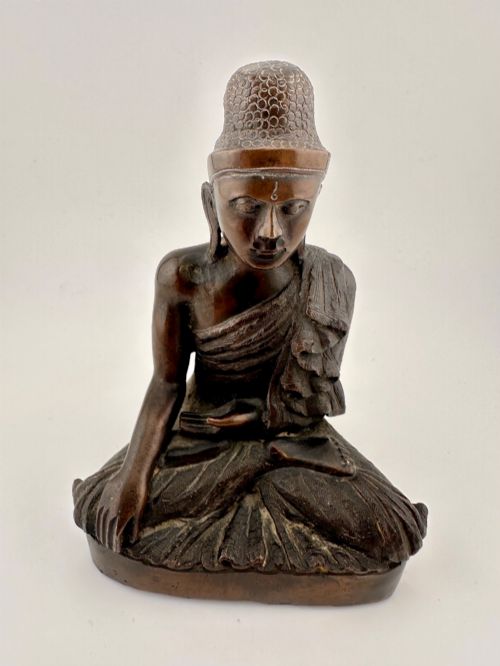
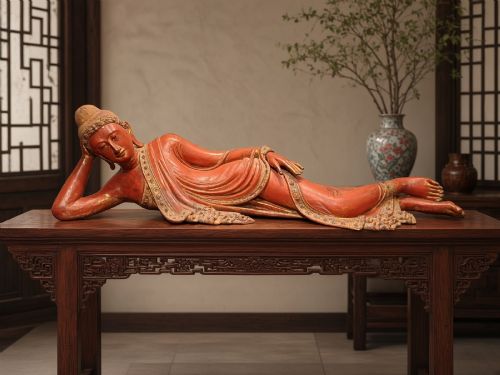
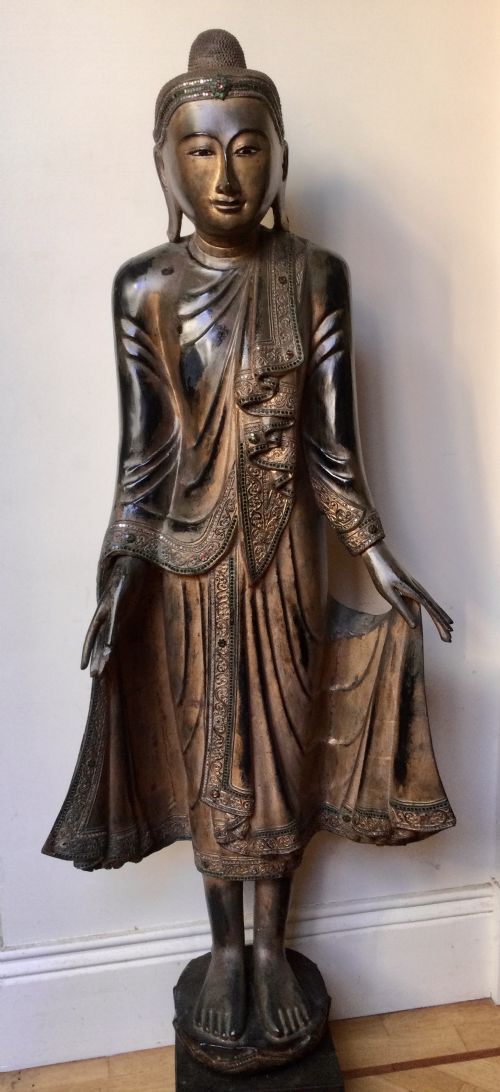
An antique burmese sculpture brings quiet devotion into a room, cast in bronze or carved from timber with layers of gold leaf.
Antique Burmese Sculpture
Beyond the religious figures, the selection includes temple carvings depicting animals such as monkeys, elephants, and temple lions. These works range from small personal devotional objects to large statues that once stood within sacred spaces across Burma and Southeast Asia.
Materials and construction methods
Wooden examples rely on hand carving, frequently enhanced with gold leaf, polychrome pigments, and glass inlay to create decorative surface patterns. Marble and stone also appear, shaped into substantial temple figures and reliefs.
Monkeys and temple lions stand shoulder to shoulder with Buddhas, proving that ancient Burmese sculptors thoroughly enjoyed carving a good beast.
Distinctions in craftsmanship and finish
The degree of refinement in the facial expression and the crispness of the casting or carving separate standard figures from exceptional works. Finer bronzes retain sharp details in the hair curls and garment folds without excessive smoothing from wear.
The preservation of original surface treatments, such as applied gold leaf, polychrome pigment, and glass inlay, dictates the visual impact of wooden and lacquered pieces. Complete original ornamentation elevates a sculpture beyond plain timber.
The Antique Burmese Sculpture Glossary
- Mandalay Period
- A stylistic era associated with nineteenth-century Burmese art known for serene Buddha figures with distinct cranial protuberances and ornate robes. This style dominates the sculptural works found in this category.
- Bhumisparsha Mudra
- The earth-touching gesture shown in many seated Buddha statues where the right hand reaches down toward the ground. It signifies the Buddha calling the earth to witness his enlightenment.
- Nat
- A spirit worshipped in Burma alongside Buddhism, often represented in carved wooden statues and household shrines. These figures wear traditional regional attire and dynamic postures.
- Gilt Wood
- Timber that has been decorated with a thin layer of gold leaf applied to the surface. It provides a luminous finish that catches temple candlelight.
- Glass Inlay
- Small pieces of coloured or mirrored glass set into the surface of wood or lacquer sculptures to add decorative brilliance. This technique creates glittering borders on garments and crowns.
Antique Burmese Sculpture: Frequently Asked Questions
How old are these sculptures?
The pieces span several centuries, with the majority originating in the nineteenth century alongside examples from the eighteenth century and earlier periods.
Specific dates depend on the material and regional style, ranging from early stone carvings to later wooden and bronze temple figures.
Where did these sculptures originate?
These works come from Burma, now Myanmar, with styles reflecting distinct regional traditions such as Mandalay.
Many objects were created for local temples, domestic shrines, and monastic settings before entering the collector market.
How do I care for a gilt wood sculpture?
Keep wooden and gilded surfaces away from direct sunlight and dramatic shifts in room humidity to protect the fragile gold leaf and paint.
Dust gently with a soft dry brush and avoid using liquid cleaners or polishes on the delicate ancient surfaces.
What is the difference between a Buddha and a Nat figure?
Buddha statues depict the enlightened teacher in meditative or teaching postures with traditional monastic robes and calm expressions.
Nat figures represent traditional Burmese spirits and display more varied clothing, dynamic stances, and secular attributes.