
Silver Tableware Condiments
When you search for silver tableware condiments, you meet salt cellars, mustard pots, and pepper pots spanning the Victorian, Edwardian, and Art Deco periods.
Silver Tableware Condiments
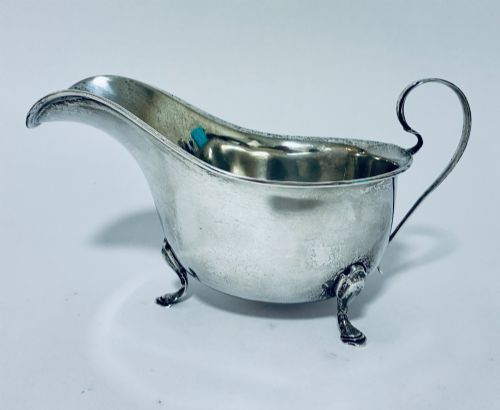
Silver tableware condiments encompass salt cellars, mustard pots, pepper pots, sugar shakers, and complete cruet sets designed for the dining table. You encounter individual salt cellars, often paired with matching spoons, alongside multi-piece cruet stands holding several vessels together.
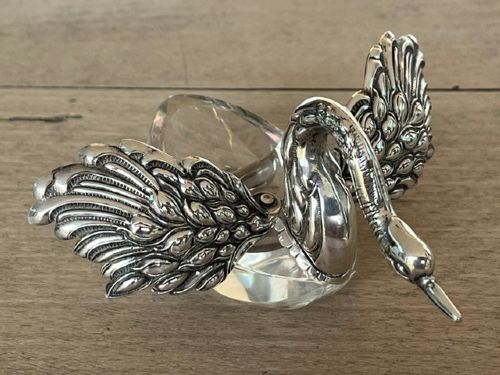
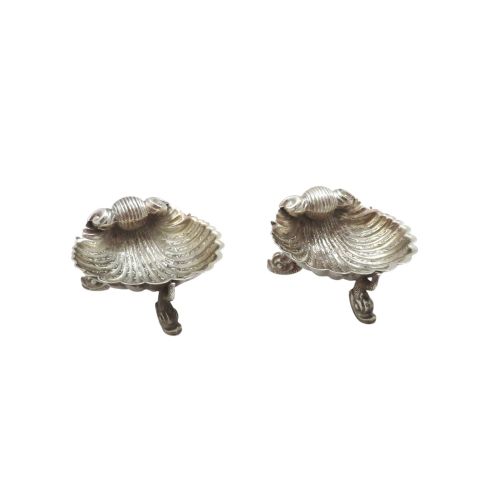
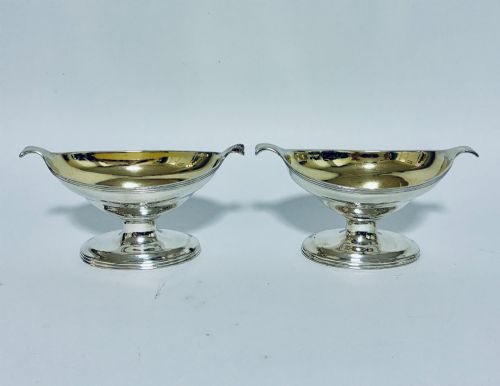
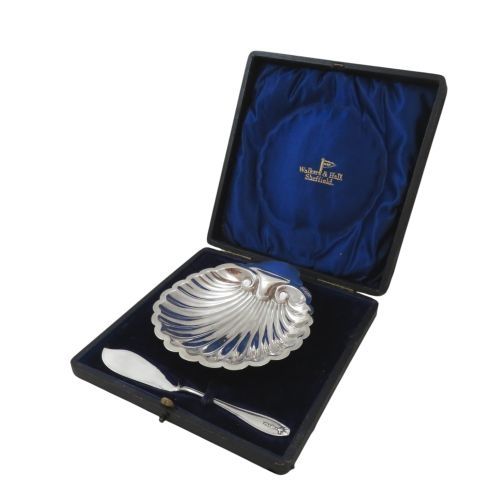
The pieces on this page span the Georgian, Victorian, Edwardian, and Art Deco periods, reaching through the mid-twentieth century. Forms range from utilitarian drums and boat-shaped salt cellars to novelty animal figures, shells, and pierced baskets.
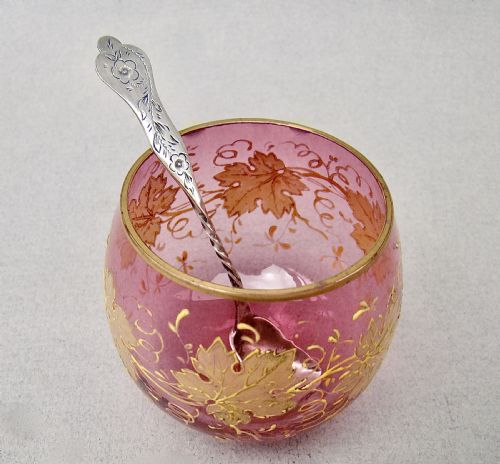
Makers utilised both solid sterling silver and silver plate, frequently incorporating glass inserts such as cobalt blue or cranberry glass to hold contents safely. You find traditional English domestic designs alongside continental novelties and Eastern pieces.
Materials and construction
Makers utilised sterling silver, silver plate, and crystal or glass, pairing metal frameworks with removable coloured glass liners. Solid silver items often display hallmarks indicating the town, year, and maker, whilst plated pieces rely on a base metal foundation.
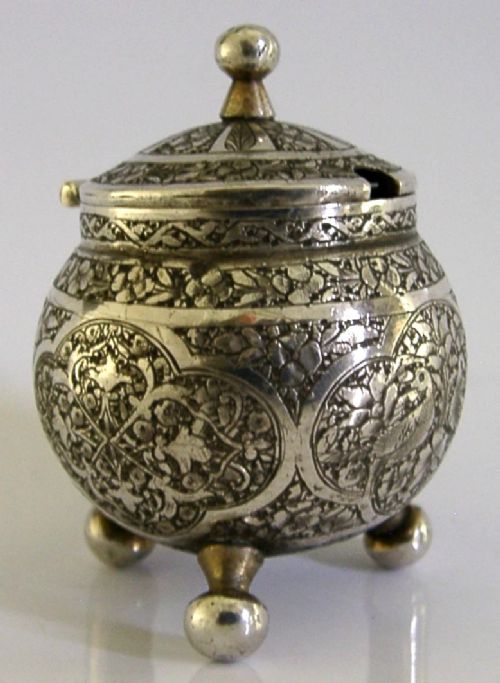
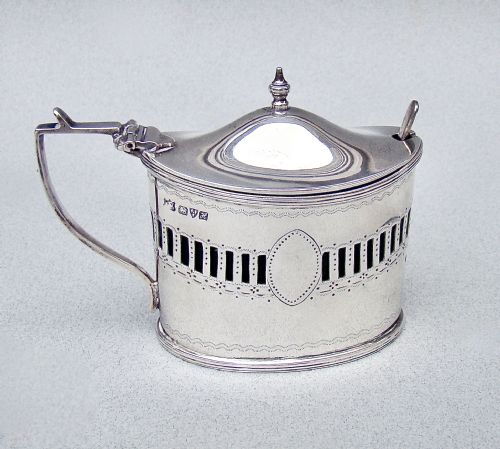
Craftsmen shaped the metal through casting, piercing, and repoussé chasing, creating pierced drum mustard pots, wirework tubs, and chased foliate patterns. Movable components, hinged lids, and screw fittings required precise metalworking to ensure durability on the dining table.
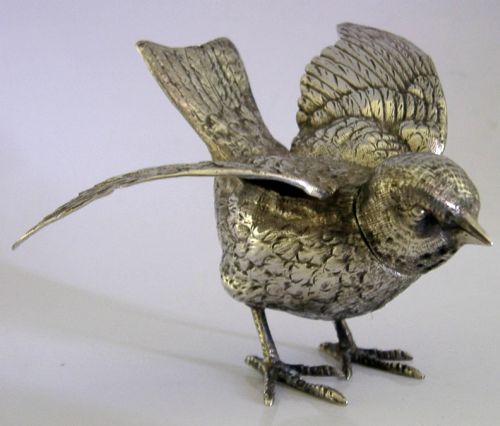
Watch for life-sized bird and boy pepper pots with movable parts standing ready on the dining table.
Distinctions in craftsmanship
Quality rests upon the weight of the metal, the crispness of the chased or pierced decoration, and the integrity of any associated glass liners. Heavier gauge silver and well-defined hand-chased motifs distinguish finer workshop output from lighter commercial production.
The presence of matching original spoons, intact coloured glass inserts, and clear, legible hallmarks elevates the standing of a cruet set or individual pot. Structural balance in novelty animal forms and smooth operation of hinged lids further divide standard wares from superior examples.
Alfred Marston·Nathan and Hayes·William Plummer·Barnards·Charles and George Fox·Daniel Arter·William Neale
The Silver Tableware Condiments Glossary
- Salt cellars
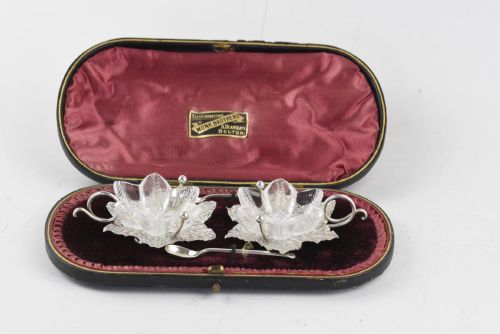
- Small open vessels or closed pots used to hold salt at the dining table before the invention of the free-flowing shaker. They frequently accommodate removable glass liners in cobalt blue or cranberry hues.
- Mustard pots
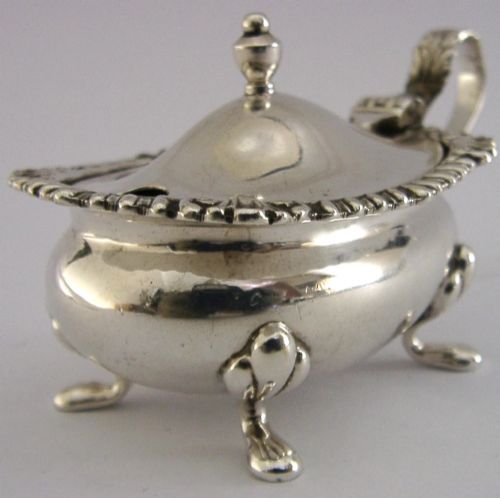
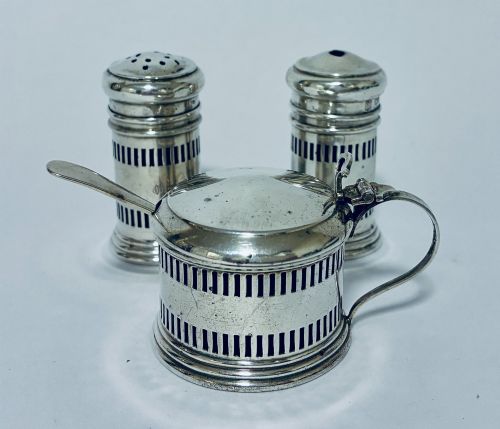
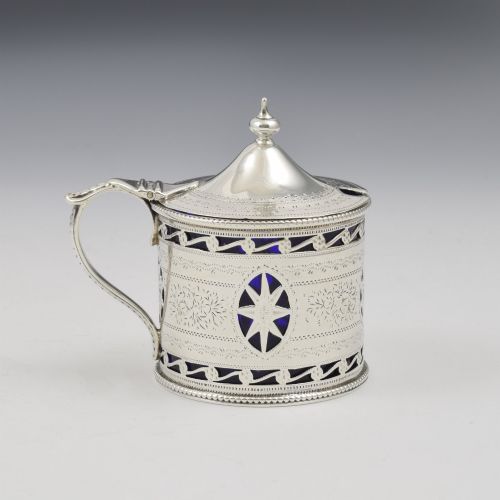
- Covered pots designed to hold prepared mustard, usually supplied with a small spoon and a cutout in the lid for the handle. Many Victorian and Edwardian examples feature pierced galleries with glass inserts.
- Cruet sets
- Matched collections of condiment containers held together in a frame or stand. They typically combine mustard pots, pepper pots, and salt cellars for table service.
- Pepper pots
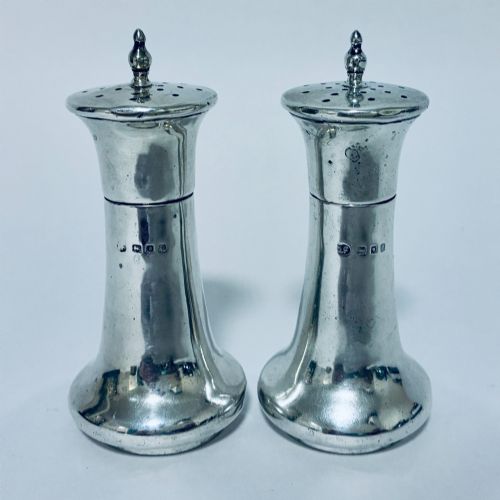
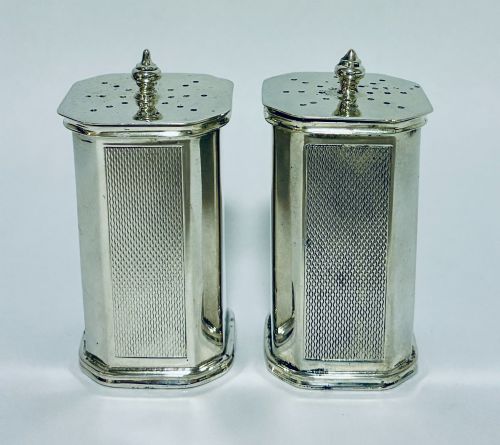
- Shakers or pierced containers used for dispensing ground pepper onto food. Novelty examples shaped as birds or figures appear alongside standard baluster and drum forms.
- Hallmarks
- Official stamped marks on precious metals indicating the purity, the assay office, the maker, and the year of manufacture. These symbols provide the primary evidence for dating solid silver condiments.
Silver Tableware Condiments: Frequently Asked Questions
What is a cruet set?
A cruet set is a matched group of condiment containers, such as salt cellars, mustard pots, and pepper pots, gathered together on a stand or tray.
These sets allowed hosts to present multiple seasonings neatly to diners at the table during formal meals.
Why do glass liners appear in silver salts?
Glass liners protected the silver metal from corrosion caused by direct contact with salty contents. Cobalt blue and cranberry glass inserts also added decorative colour beneath pierced silver work.
Liners lifted out easily for cleaning after meals.
How do I date an antique silver mustard pot?
Dating relies primarily on the stamped hallmarks found on solid silver pieces, which record the assay office and the specific year letter. Stylistic markers such as Victorian piercing or Art Deco geometric shapes also narrow the period of manufacture.
Makers' marks connect pieces to specific workshops.
Were salt cellars always used with spoons?
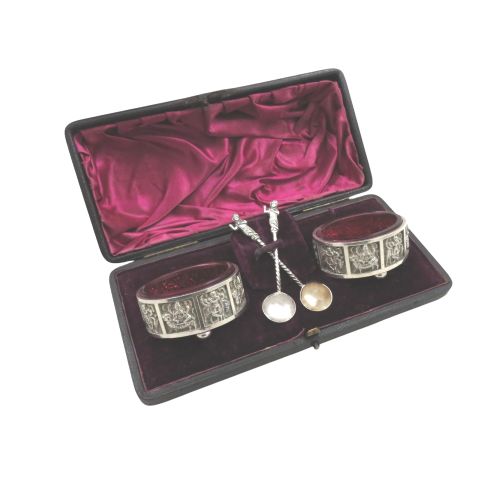
Open salt cellars required small salt spoons for guests to transfer salt to their plates prior to the widespread adoption of shaker bottles. These matched spoons often survived alongside the cellar in fitted presentation cases.
Enclosed salt and pepper pots dispensed contents directly through pierced lids.