
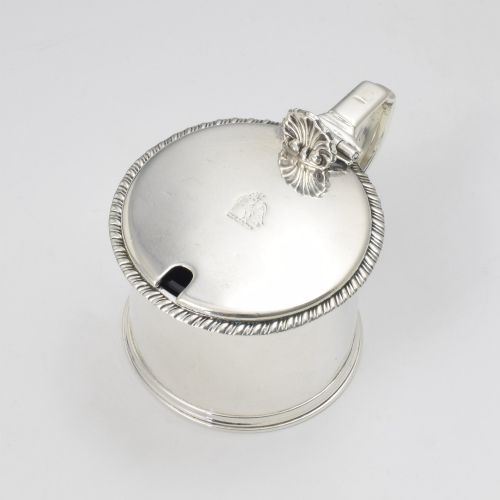


Antique Silver Condiment Drum
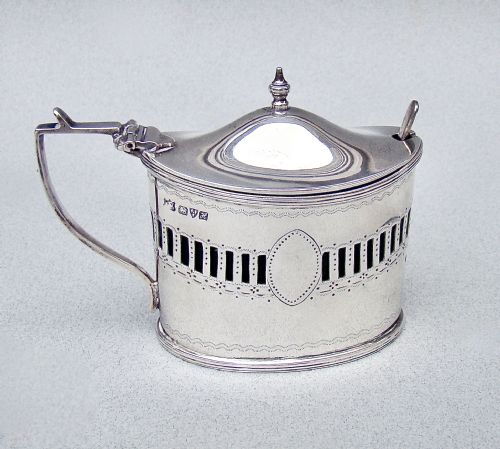
An antique silver condiment drum is a compact tableware vessel designed to hold mustard or dry seasonings at the dining table.
Antique Silver Condiment Drum
When you search for an antique silver condiment drum, you encounter small cylindrical pots fashioned for table service during several historical periods. These table vessels serve as mustard pots or condiment containers, forming part of traditional tableware sets.
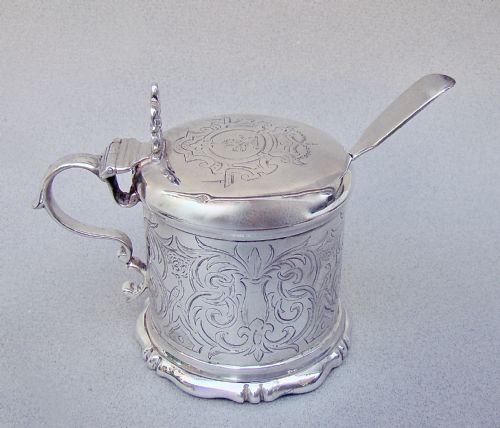
The pieces you meet on this page span the Georgian, Victorian, and Edwardian eras, alongside Regency and William IV periods. Most examples take the form of cylindrical drums with hinged lids, frequently paired with internal glass liners.
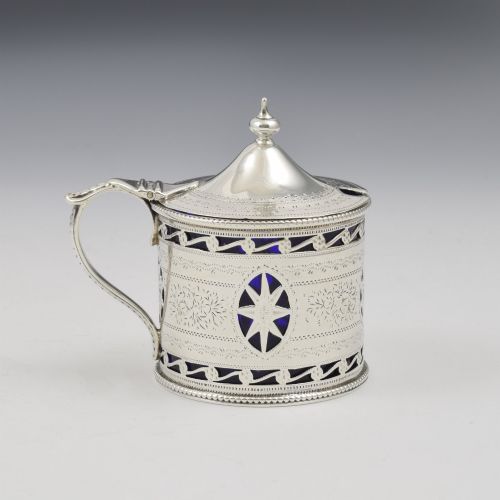
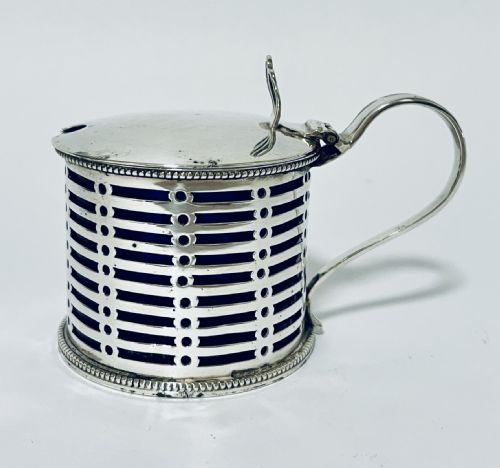
Makers produced these mustard pots and condiment vessels in sterling silver, often incorporating cobalt glass liners to contrast with pierced silver walls. The selection includes both plain designs and heavily decorated surfaces.
How they were made
Silversmiths constructed these drum containers using sterling silver, shaping the metal into rigid cylindrical bodies with hinged lids and secure handles. Many examples utilise piercing techniques to create openwork patterns across the silver wall.
Craftsmen fitted these pierced or plain silver drums with cobalt glass or cobalt blue glass liners to contain the condiments safely. These glass inserts protect the silver from corrosion while adding a vivid blue tone visible through the pierced body.
Several Victorian pots wear tiny blue glass coats beneath their pierced silver armour.
What varies in quality
The distinction between standard and finer examples rests upon the crispness of the piercing and the weight of the sterling silver used in the drum body. Heavier gauge silver maintains its structural integrity better over centuries of use.
Another factor is the provenance established by identifiable maker marks, such as those from recognised silversmiths working in London or Chester. The presence of an undamaged original cobalt glass liner also influences the integrity of the piece.
Alfred Marston·Nathan & Hayes·Charles & George Fox·Charles Fox II·Charles Stuart Harris
The Antique Silver Condiment Drum Glossary
- Condiment drum
- A cylindrical tabletop vessel intended for holding mustard, salt, or other seasonings. These pots usually feature flat hinged lids and vertical walls.
- Cobalt glass
- A deep blue glass material utilised for internal liners within pierced silver condiment pots. This material provides a striking visual contrast against the surrounding metal.
- Pierced work
- A decorative technique involving the cutting or piercing of patterns through the silver wall of the drum. This method lightens the appearance of the vessel.
- Sterling silver
- The primary metal standard utilised for these tableware items, consisting of high-purity silver alloyed for durability. Hallmarks on the base indicate the silver standard and origin.
- Hinged lid
- A movable cover attached to the rim of the drum by a pin hinge, allowing easy access to the contents. These lids often feature a small thumbpiece for lifting.
Antique Silver Condiment Drum: Frequently Asked Questions
What is a silver condiment drum used for?
These vessels were created to hold mustard, salt, or pepper on the dining table during formal meals.
Their cylindrical drum shape and hinged lids kept seasonings accessible yet neatly contained during service.
How do I identify a Georgian condiment drum?
Georgian pieces display the characteristic plain or pierced cylindrical forms associated with eighteenth and early nineteenth-century silversmithing.
Examining the hallmarks stamped on the silver will confirm the exact period of manufacture.
Why do some condiment drums have blue glass?
The cobalt glass liners were inserted to hold moist mustard safely away from direct contact with the silver metal.
This blue glass also creates an attractive decorative effect when viewed through pierced silver walls.
Are these mustard pots made of solid silver?
The exterior bodies and lids are constructed from sterling silver or standard silver materials.
They frequently incorporate glass components on the interior rather than being entirely solid metal throughout.
How should I care for antique silver tableware?
Keep the silver clean by using appropriate non-abrasive polishes designed specifically for sterling silver items.
Remove the glass liners carefully for washing to prevent damage to both the glass and the silver frame.