


Silver Table Vase
A silver table vase brings immediate refinement to a room, holding cut flowers or standing alone as a polished focal point.
Silver Table Vase
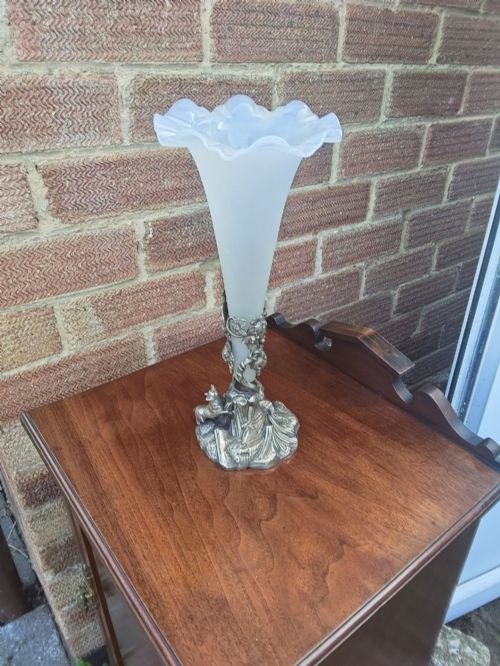
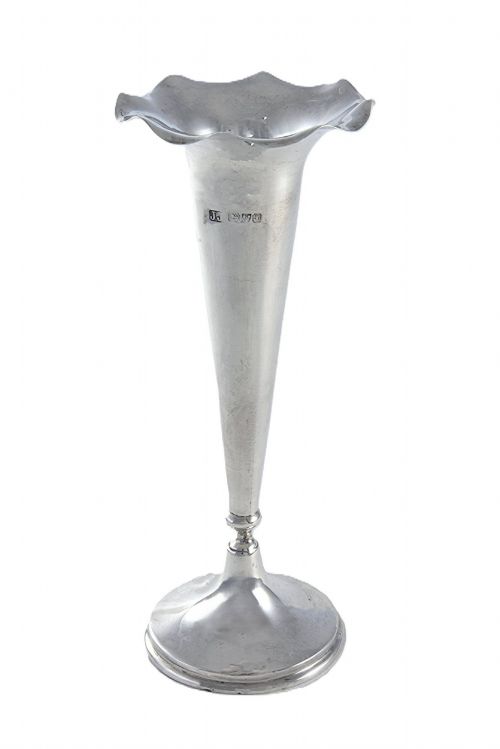
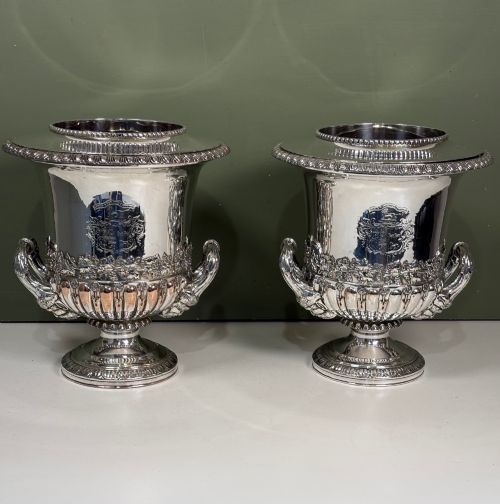
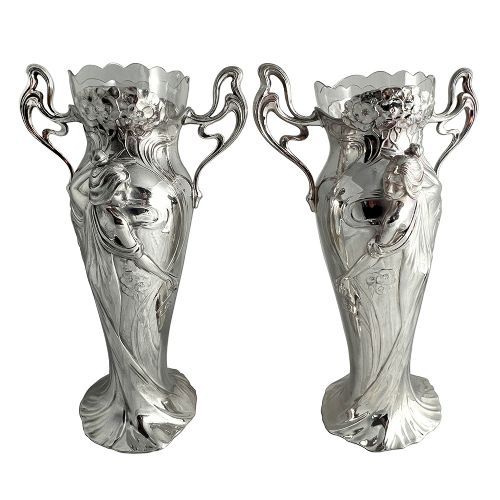
A silver table vase encompasses slender trumpet vessels, posy holders, and multi-stem epergnes designed to sit centrally on furniture. You meet diverse iterations spanning Victorian, Edwardian, and Art Nouveau periods, often incorporating contrasting materials like glass inserts.
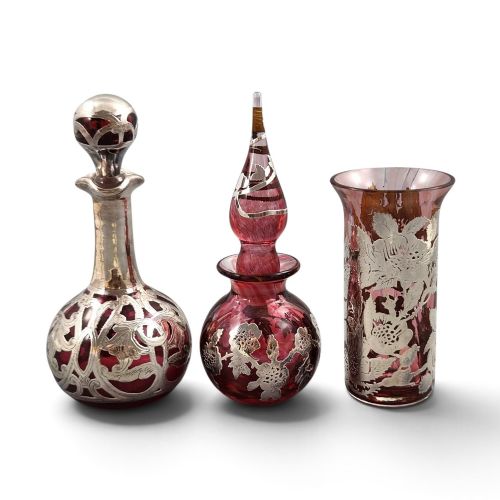
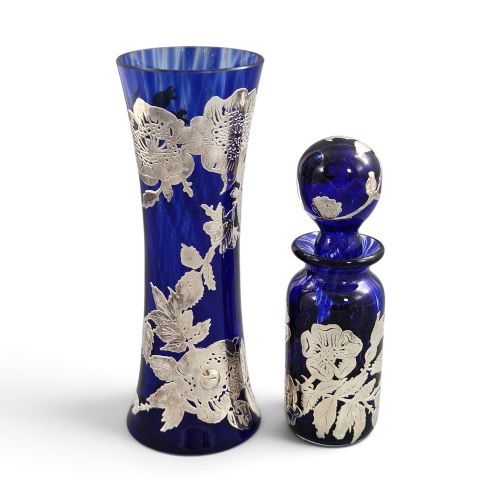
The form shifts from single hallmarked sterling stems to substantial silver-plated centrepieces and paired bud vases. Makers frequently combined precious metal frames with coloured glass liners in ruby, cobalt, and vaseline hues.
Origins stretch across nineteenth-century workshops into twentieth-century studio output, demonstrating how dining and display traditions evolved. Domestic interiors relied upon these objects for floral arrangements during formal meals and casual gatherings alike.
Materials and construction
Metals range from heavy sterling silver and silver plate to white metal, silvered pewter, and chrome. Silversmiths utilised piercing, hammering, and casting techniques to shape the metal bodies.
Glass components appear extensively, blown in opaque, pearlescent, ruby, and cobalt tones. Many vessels pair pierced metal overlays directly with fitted glass liners.
Silver Table Vase Retail Price Guide 2026
Typical asking prices for silver table vase among the pieces listed under this phrase on Sellingantiques today, from the lower quarter to the upper quarter. They describe what is for sale here now, not the wider market.
Assessing quality
Superior examples display crisp hallmarks, substantial metal weight, and intricate piercing or organic Art Nouveau motifs executed with precision. Inferior pieces often rely on thin plating or lack the structural heft found in workshop-produced items.
The integration between metal framework and glass liner indicates overall standard. Tightly fitted, high-quality coloured glass and balanced proportions separate utilitarian vessels from exceptional dining ornaments.
Fox & Grapes·Gorham·Laugharne Glass·Goldsmiths & Silversmiths·Walker & Hall·Josiah Williams & Co·WMF·Daniel & Arter
The Silver Table Vase Glossary
- Epergne
- A central ornamental stand with multiple branching horns or baskets for holding fruit or flowers. This form dominates larger dining table arrangements.
- Posy vase
- A small vessel intended for a compact bunch of short-stemmed flowers. These pieces often feature glass inserts to protect the metal interior.
- Sterling silver
- An alloy containing a high proportion of pure silver combined with other metals for durability. British pieces typically bear standard assay office hallmarks.
- Old Sheffield plate
- An early fusing technique where a thin sheet of silver is fused to a copper base. This method precedes modern electroplating.
- Vaseline glass
- A type of glass coloured with uranium oxide, yielding a distinct yellow-green fluorescent tone. It frequently accompanies Victorian metalwork.
Silver Table Vase: Frequently Asked Questions
How do I clean a silver table vase?
Wash the piece gently in warm soapy water to remove dust and organic residue from floral use. Avoid harsh chemical dips, particularly on plated surfaces and antique glass liners.
Dry the metal thoroughly with a soft cloth to prevent water spots. Store or display the object away from direct dampness to preserve the finish.
Are these vases suitable for daily use?
Many sturdy sterling and plated vessels handle regular floral displays without issue. Glass liners protect the interior metal from prolonged moisture exposure.
Delicate antique glass and pierced framework require careful handling during refilling. Consider the structural integrity of older soldered joints before heavy daily handling.
How do I identify the date of a silver vase?
Examine the piece for official hallmarks indicating assay office towns and date letters. Stylistic clues like Art Nouveau curves or Victorian proportions also point to specific eras.
Consult maker marks stamped into the base or rim. These punch marks link items to recorded silversmithing firms and operating periods.
What is the difference between sterling and silver plated?
Sterling silver consists of solid precious metal throughout, marked with standardised purity symbols. Silver plated items feature a thin layer of silver bonded over a base metal core.
Plated pieces offer the visual appeal of silver at a different scale of composition. Over time, heavy polishing can reveal the base metal underneath plating.