

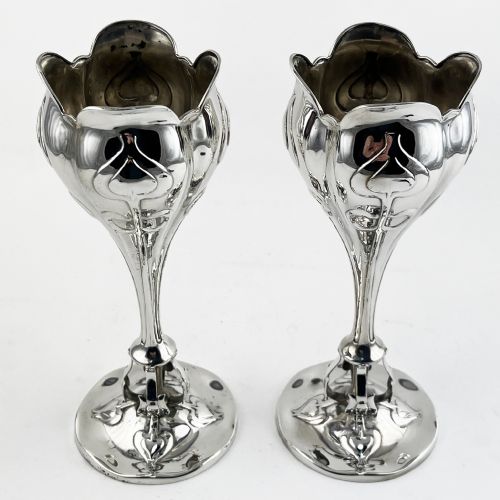


Antique Bud Vase
An antique bud vase holds a single stem or a small cluster, bringing quiet scale to a table from Victorian and Edwardian days onward.
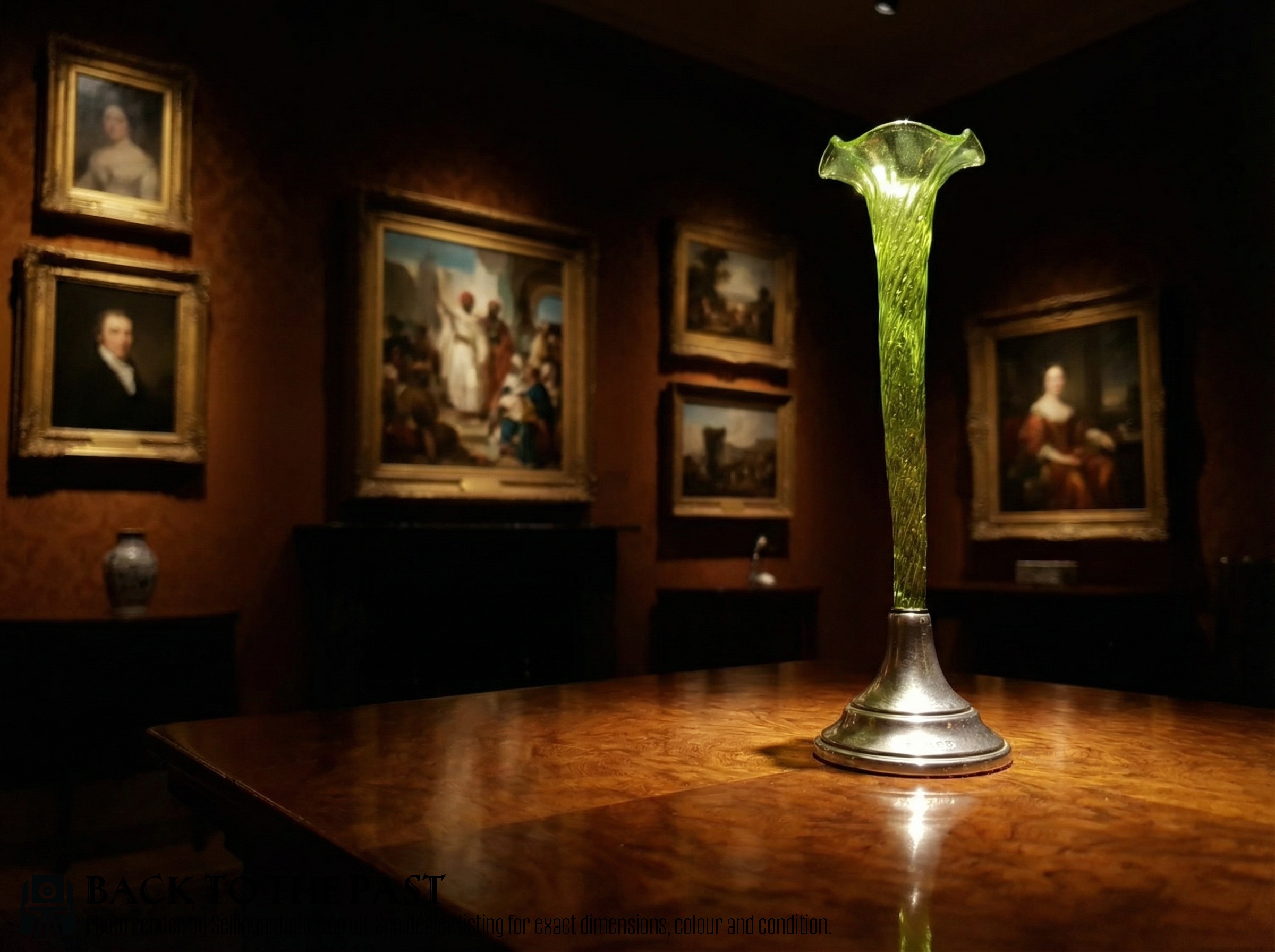
Antique Bud Vase
When you search for an antique bud vase, you encounter small receptacles designed specifically for minimal stems rather than large arrangements. The selections span compact porcelain vessels, slender silver trumpets, and miniature glass holders from the late nineteenth and early twentieth centuries.
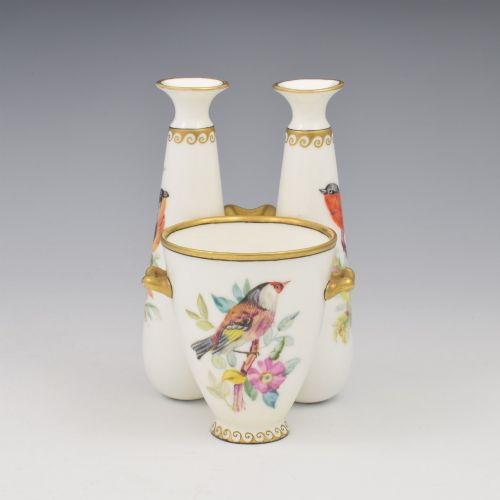
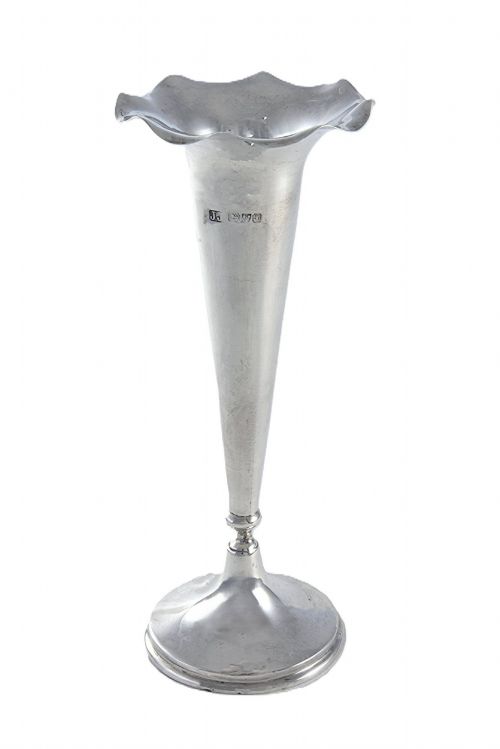
The Victorian and Edwardian periods contribute heavily to the available pool, alongside pieces from the Art Nouveau and Arts and Crafts movements. Forms range from trumpet shapes and posy holders to triple-neck vessels and miniature flutes.
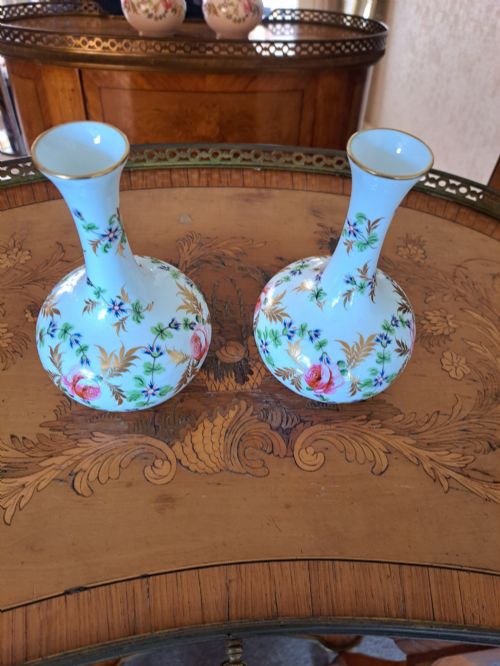
Origin points vary widely across the inventory, encompassing English porcelain factories, continental glasshouses, and Japanese workshops. Most items measure on a small scale, intended for mantelpieces, dressing tables, or intimate dining settings.
How they were made
Makers utilised porcelain, sterling silver, silver plate, and glass as primary substrates, often applying hand-painted glazes, enamel, or gilding for surface detail. Silver components frequently received hallmarks indicating assay offices in cities like Birmingham and Chester.
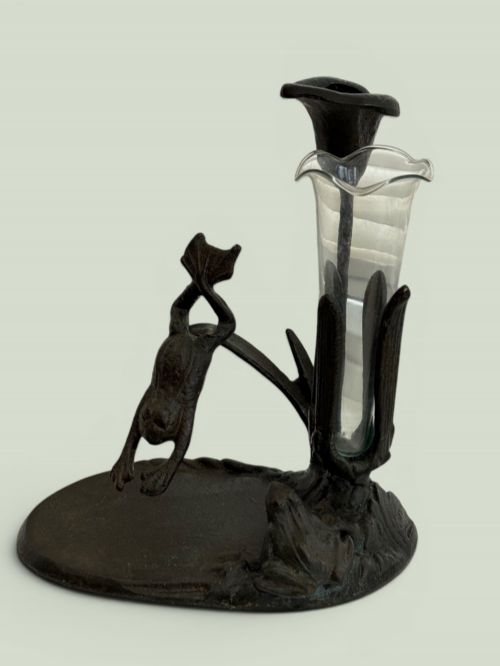
Glass production incorporated techniques such as cameo carving, vaseline glass formulation, and cut glass detailing. Japanese pieces employed cloisonné enamel work and Imari or Satsuma hand-painting traditions on ceramic bodies.
Several miniature vessels measure so small they accommodate little more than a single daisy from the lawn.
What varies in quality
Quality rests in the crispness of the hand-painting, the weight of the silver, and the clarity of the glass or porcelain body. Pieces bearing identifiable factory marks or artist signatures demonstrate higher standards of execution.
The refinement of decorative motifs, such as detailed ornithological painting or intricate cloisonné wirework, distinguishes standard production from superior examples. Preservation of original gilding, enamels, and delicate glass surfaces also determines the standing of each piece.
Royal Worcester·Crown Derby·Stevenson and Hancock·Royal Crown Derby·Daum Freres·Wedgwood·Moorcroft
The Antique Bud Vase Glossary
- Bud vase
- A small vessel shaped to support one or two stems. These pieces keep single flowers upright without sprawling.
- Imari
- A Japanese porcelain style featuring rich underglaze blue and iron red highlights. It influenced many European potteries during the Victorian era.
- Sterling silver
- A silver alloy containing ninety-two point five percent pure silver by mass. British items in this category display official assay office hallmarks.
- Vaseline glass
- A type of glass coloured with uranium oxide that glows under ultraviolet light. It appears frequently in late nineteenth-century posy holders.
- Cloisonné
- A metalwork technique where enamel paste fills compartments created by soldered wire. Japanese makers produced miniature examples of this craft.
Antique Bud Vase: Frequently Asked Questions
What is an antique bud vase used for?
These vessels serve to display single stems or small posies rather than bulky bouquets. Their modest proportions suit confined spaces like side tables and windowsills.
Historically, they gained popularity as dining tables became smaller and floral arrangements shifted away from heavy centerpieces toward minimalist displays.
How do I clean silver bud vases?
Silver components require gentle wiping with a specialised cloth to remove tarnish without disturbing the underlying metal. Avoid harsh chemical dips that strip away original patination.
Glass liners and porcelain bodies clean safely in warm soapy water, provided you dry them thoroughly afterwards.
How can I tell Victorian from Edwardian pieces?
Victorian examples often feature heavier ornamentation, deep Imari palettes, or ornate sterling silver mounts dating from the late nineteenth century. Edwardian items tend toward lighter forms, simpler trumpet profiles, and delicate glass flutes.
Checking silver hallmarks for date letters provides the most precise chronological indicator for metallic pieces.
Are antique glass vases fragile?
Glass and porcelain items demand careful handling due to their age and delicate walls, particularly cameo glass and fine flutes. Storing them away from high-traffic edges prevents accidental knocks.
Normal domestic use remains entirely appropriate provided you wash them by hand rather than placing them in modern dishwashers.