



Edwardian Glass Flute
These edwardian glass flute items bring refined clarity and slender form to any table, offering a glimpse into early twentieth-century dining elegance.
Edwardian Glass Flute
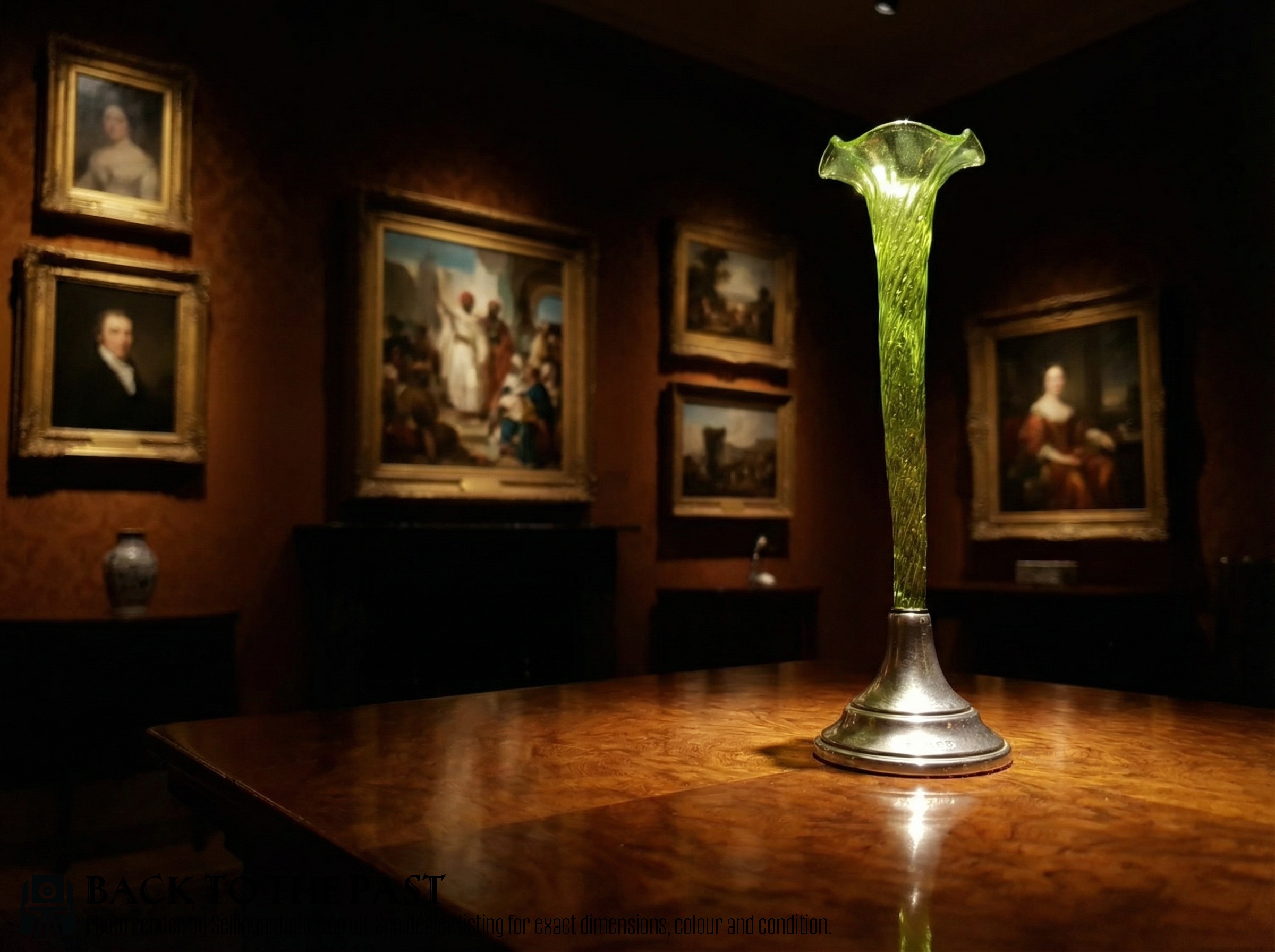
When you search for an edwardian glass flute, you are looking at slender drinking vessels and tall decorative spill vases shaped around the turn of the twentieth century. These pieces reflect the formal dining customs of the period, designed to hold sparkling beverages or display single stems with upright grace.
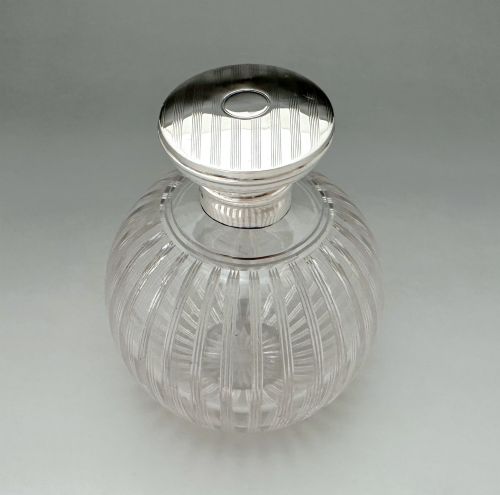
The most common examples met on this page date from the Edwardian era itself, alongside related champagne flutes and cut glass spill vessels from around nineteen hundred. They frequently feature clean vertical lines, occasionally supported by sterling silver bases or embellished with delicate engraved details.
How they were made
Makers shaped these items using clear and coloured glass, often combining blown vessels with mounted sterling silver or silver plated collars and bases. Techniques relied on skillful glassblowing followed by wheel-cutting and hand-engraving to achieve the crisp flutes and surface patterns.
The integration of glass and metal required precise hot-working and cold-working methods, joining fragile blown bowls securely to supportive metal mounts or weighted bases without losing their delicate balance.
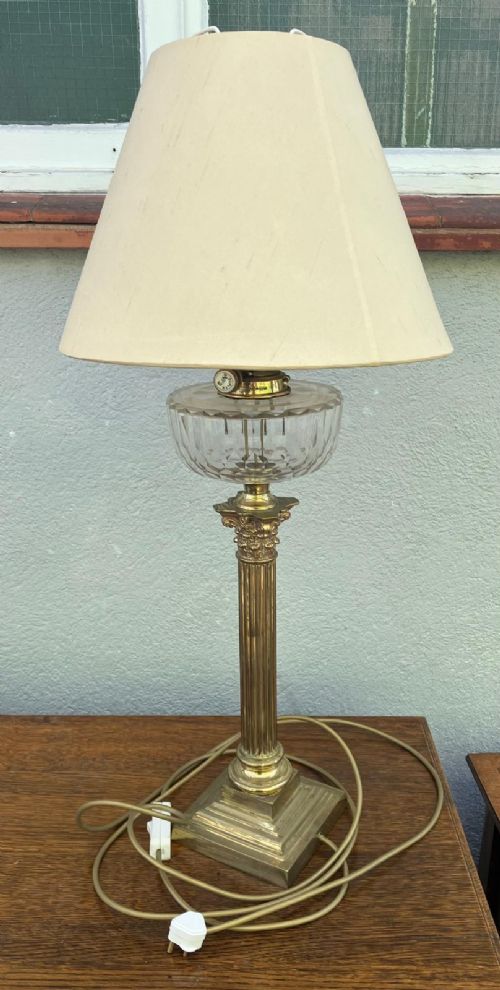
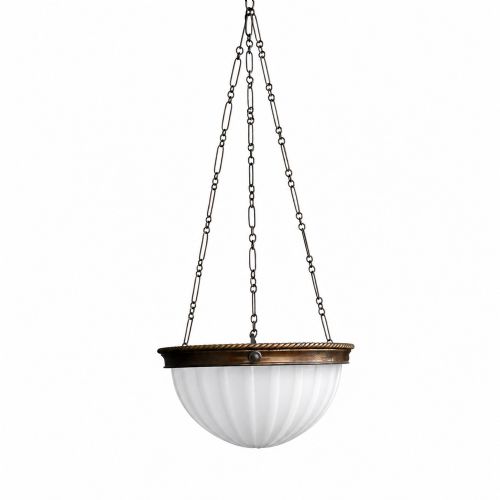
Recorded forms include table lamps, decanters, pendant lights with holophane shades, and slender spill vases alongside drinking vessels.
What varies in quality
Quality in these pieces rests primarily on the depth and crispness of the glass cutting, the weight of the metal mounts, and the overall proportion of the vessel. Superior examples show precise, evenly spaced fluting and unblemished clarity in the metal or crystal.
Finer items also maintain a harmonious balance between the glass bowl and any sterling silver or plated base, whereas lesser pieces display heavier, clumsier forms with softer surface details and less refined joins.
Sampson Mordan·Powell·Nazeing
The Edwardian Glass Flute Glossary
- Cut glass
- Glass decorated by grinding facets or patterns into the surface using a rotating wheel. This technique creates sharp light reflections and tactile surface textures.
- Sterling silver
- An alloy containing ninety-two point five percent silver by mass, frequently used for the supportive bases and rims of these vessels. It provides a durable and polished contrast to the clear glass.
- Silver plate
- A thin layer of silver fused to a base metal foundation, commonly utilised on mounts and collars during the period. It offered the appearance of solid silver at a more accessible cost.
- Spill vase
- A tall, narrow container designed originally to hold taper spills used for lighting fires or candles. They share the same slender, vertical proportions seen in drinking flutes.
- Engraving
- The process of cutting shallow lines into the glass surface with a small wheel to form decorative motifs. It adds delicate detail without altering the structural profile of the piece.
Edwardian Glass Flute: Frequently Asked Questions
What is an edwardian glass flute used for?
These tall vessels were primarily manufactured to serve champagne or sparkling wines during formal Edwardian gatherings and dinners. Their slender bowls helped to preserve the effervescence of the drink.
Alternative forms served as decorative spill vases on mantelpieces or dining surfaces, holding single flower stems or tapers. Both functional drinks ware and ornamental vases share the characteristic upright, fluted profile.
How can I tell an Edwardian piece from a Victorian one?
Edwardian items typically display lighter, more restrained designs with clear glass and neoclassical influences, moving away from the heavier, more ornate styles of the Victorian decades. The dating is often supported by hallmarks on accompanying silver mounts or stylistic markers like simpler cutting patterns.
Victorian glassware tends toward denser coloured glass, such as cranberry tones, and busier ornamentation. Examining the transition from nineteenth-century opulence to early twentieth-century refinement helps clarify the period of manufacture.
Are silver mounts common on these flutes?
Many examples incorporate sterling silver or silver plated bases, collars, and mounts that provide stability and decorative contrast to the delicate glass bowls. These metal additions were applied securely during assembly.
When silver is present, it often bears hallmarks that assist in dating the exact year of production, such as those from the early nineteen hundreds. Plain glass versions without metal mounts also appear frequently across the listings.
How should I care for antique glass flutes?
Wash these delicate pieces gently by hand in lukewarm water using a mild, non-abrasive detergent. Avoid sudden temperature changes to protect the old glass from thermal shock.
Keep silver mounts polished with a specialised cloth while avoiding contact between harsh cleaning agents and the antique glass surface. Store them upright in stable display cabinets where they will not be knocked over.