



Victorian Posy Vase
A victorian posy vase holds short-stemmed blooms and brings concentrated colour to a table.
Victorian Posy Vase
A victorian posy vase is a small vessel designed for modest arrangements of gathered flowers rather than large displays. These pieces appear most frequently in glass, porcelain, and silver mounting.
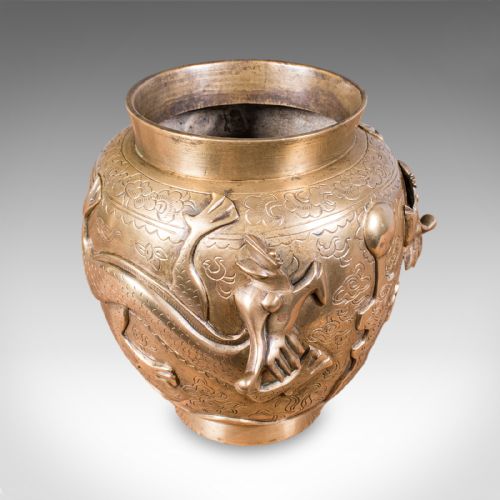
The form spans straightforward glass bowls to elaborate bronze urns influenced by Chinese, Japanese, and Grand Tour styles. Collectors encounter simple moulded glass alongside finely worked silver mounts from provincial and London assay offices.
Makers ranged from major English potteries to continental bronze foundries and specialist glasshouses producing opaline, cranberry, and vaseline wares.
How they were made
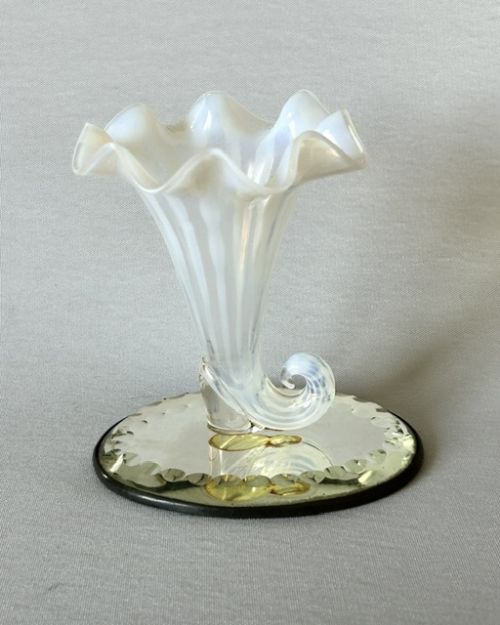
Makers utilised hot-glass techniques, blowing and pressing vessels into moulds or shaping them by hand to create cornucopia, wrythen, and opalescent effects. Glass formulations included uranium and Burmese elements to achieve striking tonal gradients.
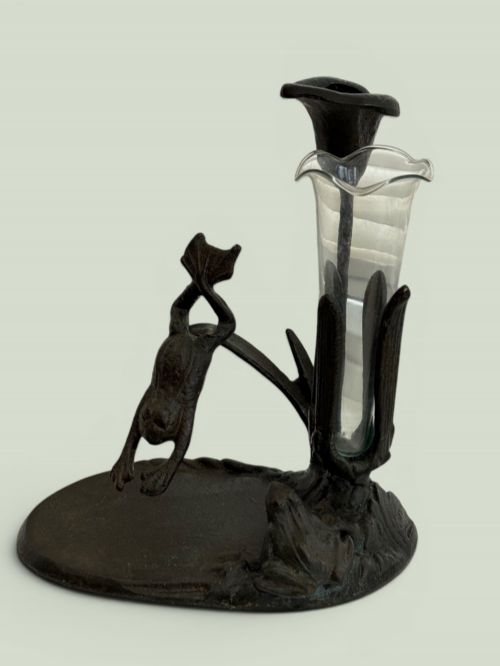
Metal versions combined cast bronze with patination or involved sterling silver shaped into pierced frames and weighted bases. Porcelains received hand-painted botanical and avian scenes fired at high temperatures.
Victorian Posy Vase Retail Price Guide 2026
Typical asking prices for victorian posy vase among the pieces listed under this phrase on Sellingantiques today, from the lower quarter to the upper quarter. They describe what is for sale here now, not the wider market.
Uranium glass posy holders glow an intense neon green when caught beneath a modern blacklight.
What varies in quality
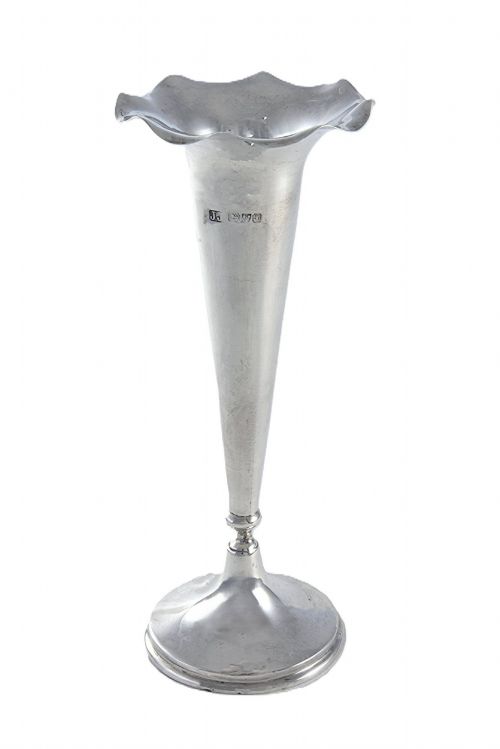
Quality rests in the crispness of the casting, the depth of colour in the glass, and the precision of hand-painted details. Silver examples depend on clear hallmarks and intact structural integrity within pierced mounts.
Art glass pieces show superior merit when the optical properties of vaseline or satin glass remain strong and unclouded. Fine porcelain relies on delicate glaze application and well-preserved enamel highlights without rubbing.
John Millward Banks·William Comyns·Thos. Webb And Sons·Krister Kpm Waldenburg·Mason’s Ironstone·Royal Worcester
The Victorian Posy Vase Glossary
- Vaseline glass
- A yellow-green glass containing uranium dioxide that glows under ultraviolet light. It appears frequently in nineteenth-century decorative vessels.
- Opalescent glass
- Glass exhibiting a milky, iridescent quality that shifts in tone according to the light. It creates a soft effect on late nineteenth-century table pieces.
- Hallmark
- An official stamp struck on precious metals indicating the standard of purity, the assay office, and the date letter. English silver vessels display these marks clearly.
- Grand Tour
- A cultural journey undertaken by wealthy Europeans that inspired decorative arts modelled on classical antiquities. Bronze urns often reflect this aesthetic.
- Wrythen
- A spiral moulding or optic twist pattern applied to glass vessels during manufacture. This technique adds texture to small flower holders.
Victorian Posy Vase: Frequently Asked Questions
What were posy vases used for?
These small vessels were designed for tight bunches of freshly gathered garden flowers placed on dining tables or dressing chests. Their compact dimensions kept arrangements intimate.
Victorian households used them to bring seasonal colour indoors without requiring massive floral displays.
How do I clean antique glass?
Warm water and mild soap suit most nineteenth-century glass pieces. Avoid harsh scrubbing brushes that might scratch delicate surfaces.
Submerged rinsing requires care, particularly with pieces featuring painted enamel details that can lift if soaked for too long.
Are silver mounts marked?
Sterling silver examples typically carry full assay hallmarks including a maker's mark, lion passant, city symbol, and date letter. These stamps reveal the exact year of manufacture.
Checking the base or rim usually uncovers these small indented marks.
What is vaseline glass?
Vaseline glass is a distinct type of pressed or blown glass containing small amounts of uranium to produce a characteristic yellow-green tint. The material reacts strongly under ultraviolet light.
Victorian glasshouses utilised this formula widely for novelty flower holders and baskets.