


Silver Cut Glass Box
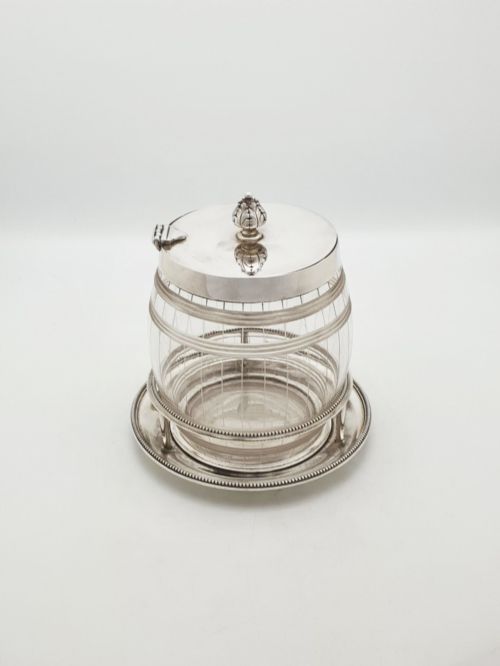
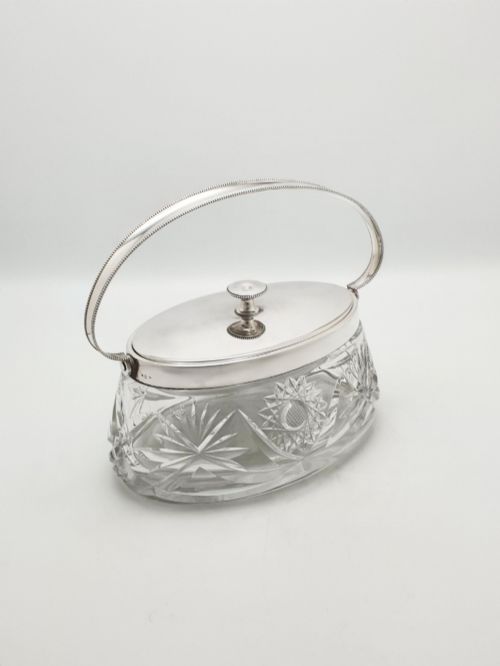
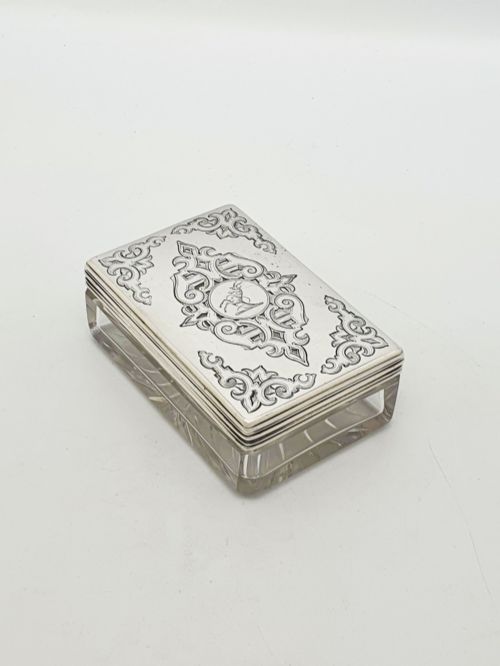
A silver cut glass box marries heavy faceted crystal with hallmarked precious metal mounts, offering a tactile home for dressing table treasures and dry goods.
Silver Cut Glass Box
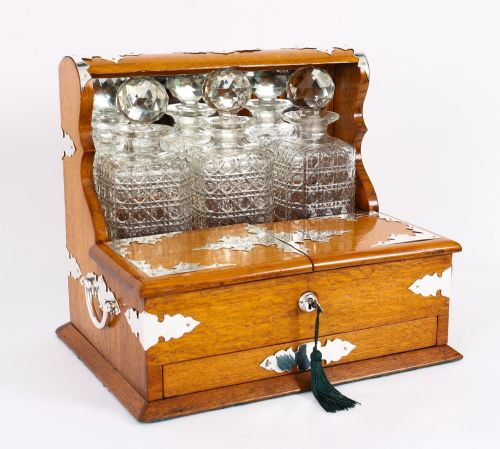
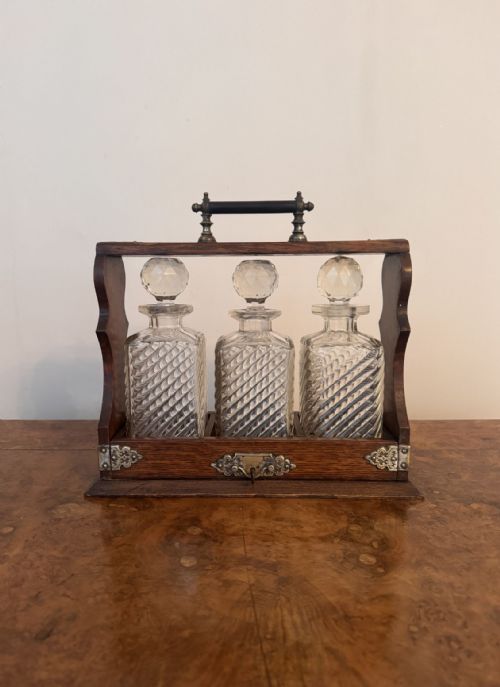
The surviving forms range from small heart-shaped pill containers to substantial three-decanter tantalus sets housed in oak or coromandel frames. Edwardian and Georgian examples lean towards classical symmetry, whilst later twentieth-century iterations incorporate colourful enamel lids and geometric cutting. Each piece bridges functional storage and ornamental display, reflecting the domestic habits of past centuries.
Materials and technique
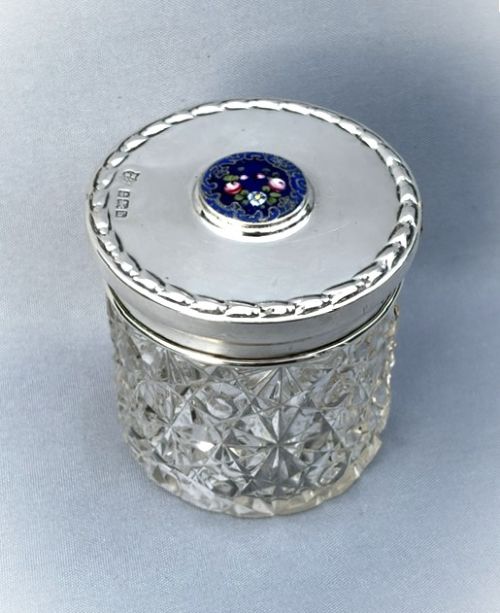
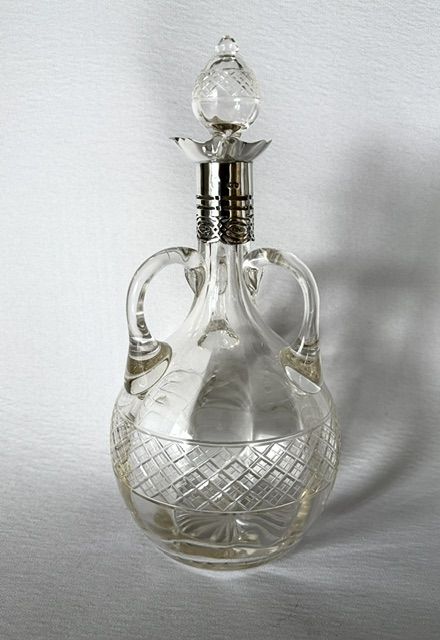
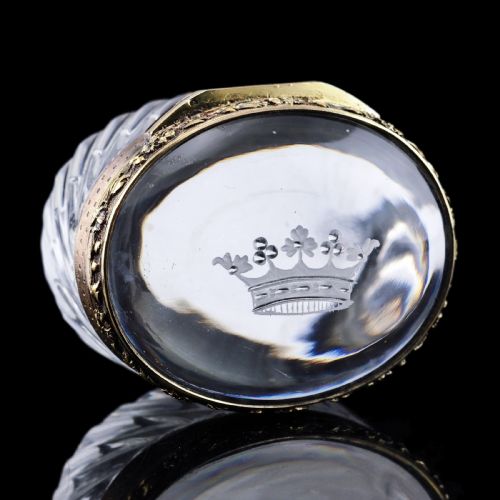
Makers shaped the heavy glass bases through deep hobnail or linear cutting, creating prismatic facets that catch the light. Silversmiths then fashioned matching sterling silver or silver-plated mounts, securing hinged lids tightly over ground glass rims.
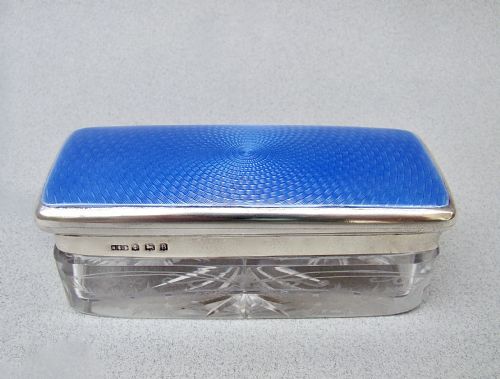
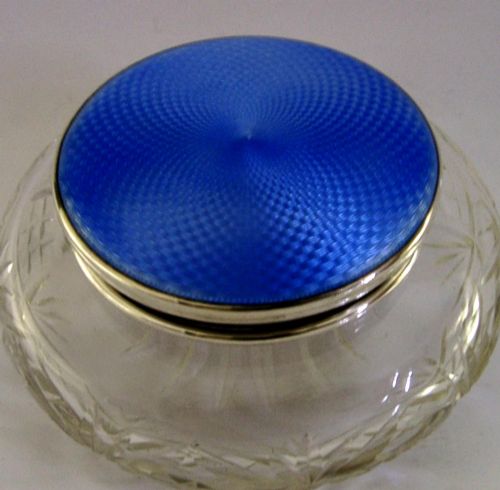
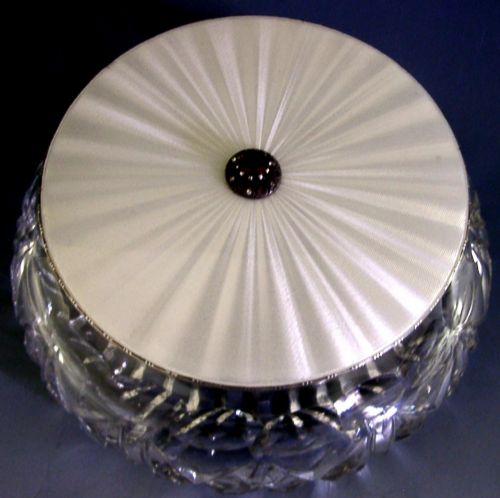
Enamel work frequently supplements the metal components, particularly in pieces bearing Art Deco or mid-century designs where translucent guilloché patterns over engine-turned silver add vibrant colour.
Judging quality
The distinction between standard domestic items and superior examples lies in the crispness of the glass cutting and the weight of the silver mount. Heavy crystal bases with deep, sharp facets command greater admiration than thin, moulded glass bodies.
Makers' marks provide a reliable measure of craftsmanship, as clear hallmarks from established silversmiths indicate higher standards of metalwork and better-integrated joints between the glass and its cover.
Henry Clifford Davis·Elkington·WMF·Posen of Frankfurt and Berlin·William Comyns
The Silver Cut Glass Box Glossary
- Guilloché enamel
- A decorative technique where intricate geometric patterns are mechanically engraved into metal and coated with translucent enamel. This method was widely utilised on dressing table jars during the Art Deco period.
- Hobnail cut
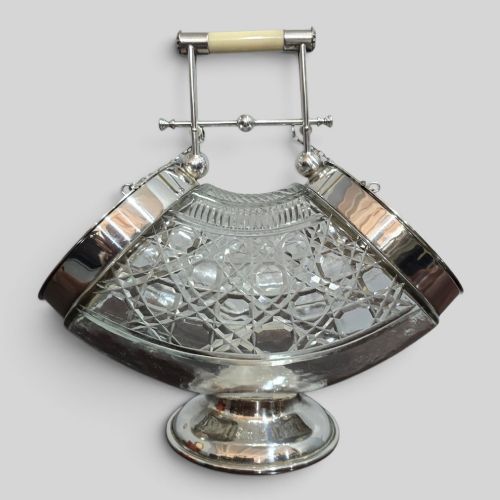
- A sharp, pyramidal pattern cut into the surface of glassware to create high light refraction. It appears frequently on Victorian and Edwardian biscuit barrels.
- Tantalus
- A locking wooden frame holding decanters with their stoppers secured beneath a metal bar. This device prevented unauthorised access to spirits while displaying the cut glass vessels.
- Sterling silver
- An alloy consisting of 92.5 percent silver by weight, combined with other metals to increase durability. Most British lidded boxes carry hallmarks confirming this standard.
- Silver plate
- A base metal, often copper or white metal, coated with a thin layer of silver. Many nineteenth-century biscuit barrels employed this method for strength and affordability.
Silver Cut Glass Box: Frequently Asked Questions
What were cut glass boxes used for?
These containers served various domestic functions, from holding small trinkets and pins on bedroom dressing tables to storing biscuits in the parlour. Wealthy households utilised them to protect delicate items while adding ornamental elegance to a room.
Larger versions accommodated stationery, stamps, or smoking paraphernalia, whilst smaller lidded jars kept cosmetics and personal accessories neatly organised out of sight.
How do I date an antique silver and glass box?
Hallmarks stamped on the metal mounts provide the most reliable dating evidence, indicating the assay office, specific year letter, and silversmith. Style indicators, such as Victorian hobnail cutting or Art Deco guilloché enamel, help narrow down the period when hallmarks are rubbed or absent.
The weight and thickness of the glass, alongside the construction of the hinge mechanism, also offer clues to whether a piece belongs to the Georgian era or later twentieth-century production.
How should I clean the silver mounts?
Use a soft cloth and dedicated silver polish, taking care to avoid getting abrasive cleaning agents onto the glass or any enamel panels. Gentle application preserves the crisp detail of engraved or embossed metalwork without damaging surrounding surfaces.
Keeping moisture away from the interior lining prevents tarnishing in older wooden or fabric-backed compartments where the metal meets the structural body of the box.
Are replacement glass inserts common?
Replacement glass bodies do occur because heavy crystal bases were prone to accidental impact over generations of domestic use. Inspecting the fit between the silver mount and the glass rim helps determine whether the components were originally manufactured together.
Original pieces show a seamless integration where the mount matches the exact contours and wear patterns of the underlying vessel.