


Silver Glass Dressing Box
A silver glass dressing box brings together heavy cut crystal and hallmarked metal to sit on a vanity table.
Silver Glass Dressing Box
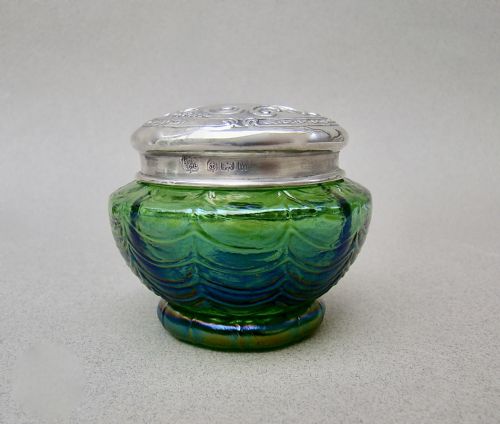
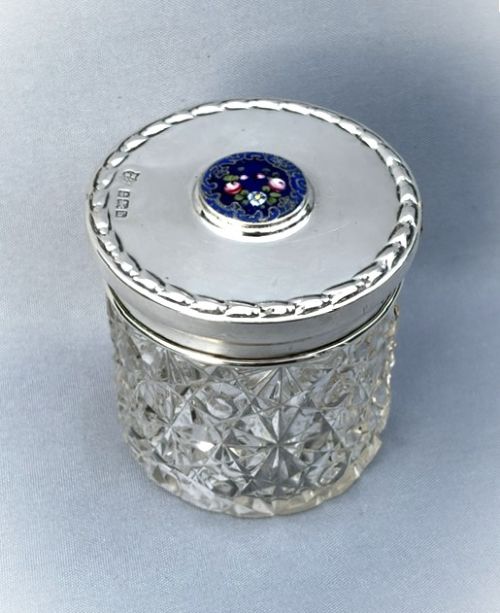
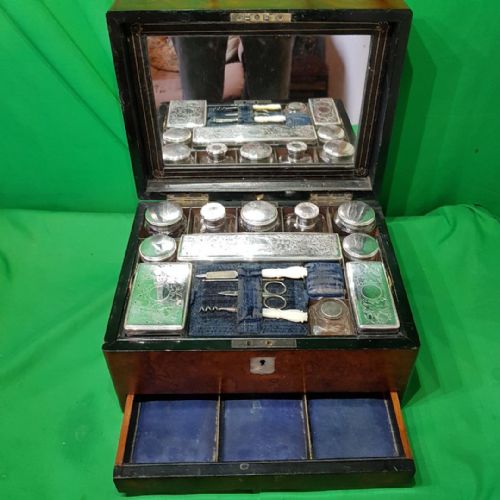
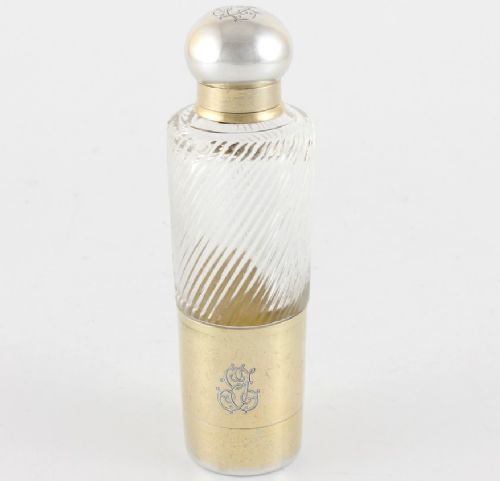
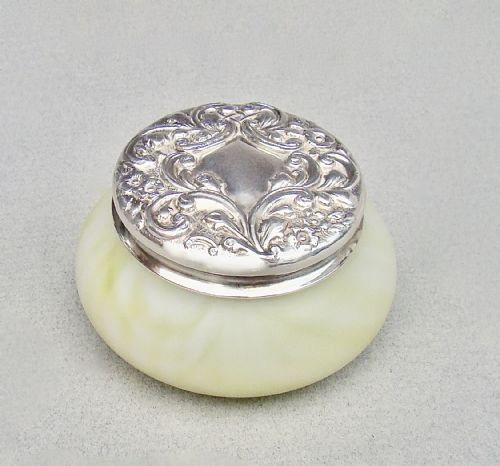
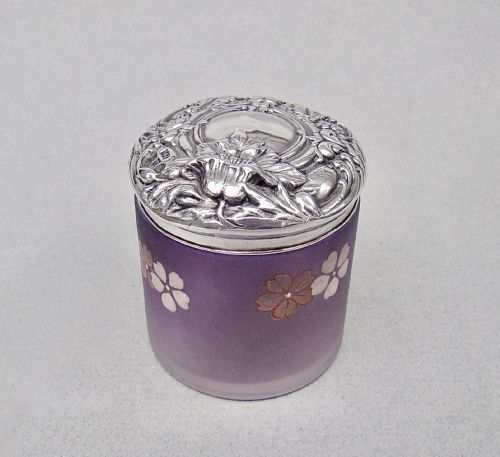
A silver glass dressing box gathers lidded jars, vanity pots, and trinket holders made from glass bodies with metal mountings. These containers sat upon dressing tables and inside travelling cases to hold cosmetics, pins, and small personal items during the Victorian, Edwardian, and Art Deco periods.
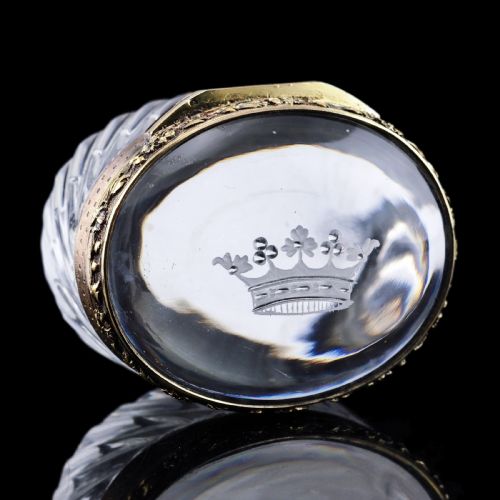
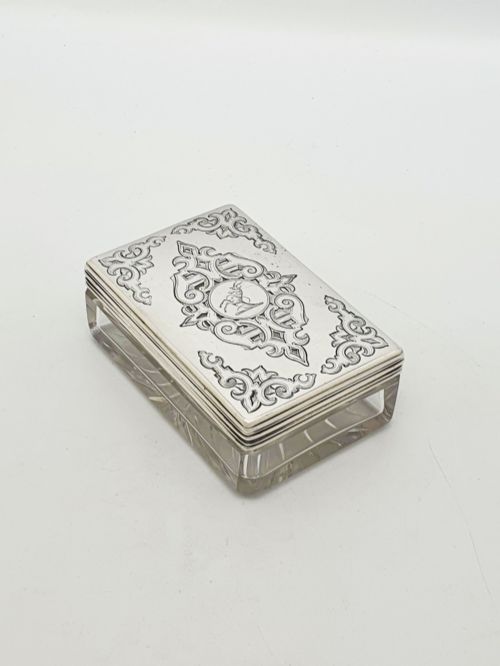
The versions most commonly found here pair heavy cut or pressed glass with sterling silver lids bearing British hallmarks from Birmingham, Chester, or London. Alongside these stand continental pieces featuring silver-gilt mounts and coloured glass bases from French and German workshops.
Materials and construction
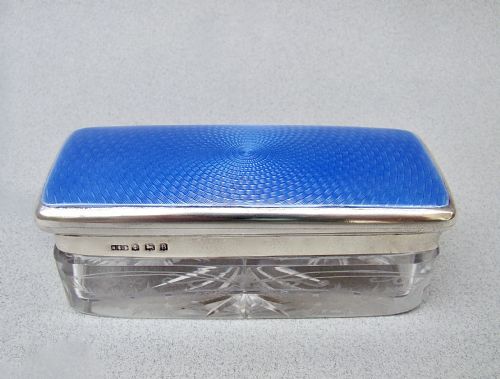
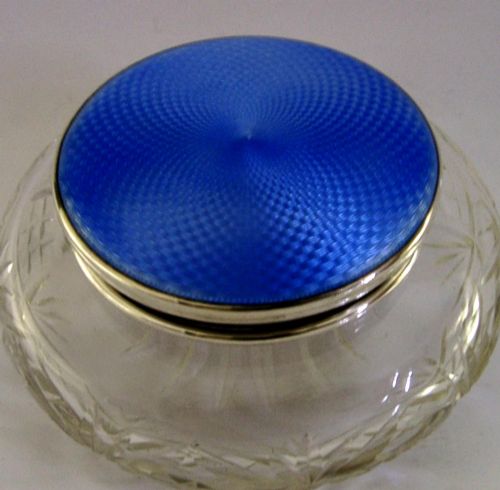
Vessels take shape from heavy crystal, satin glass, or coloured variants like cranberry and Kralik glass, often cut with deep geometric patterns or left smooth to reveal interior depths. Metal components rely on sterling silver, sometimes finished with a silver-gilt wash or fitted with delicate guilloché enamel panels.
Lids and collars attach securely to the glass rims, utilising hinged mounts or tight-fitting slip-on bezels fashioned by silversmiths. Interior linings incorporate velvet, satin, and tortoiseshell to cushion contents and frame the inner mounts.
Judging workmanship and condition
The weight and clarity of the glass vessel set the baseline for quality, where deep hand-cutting and crisp facets outweigh light, mould-pressed alternatives. Metal thickness also dictates standard, with heavy gauge silver mounts resisting dents far better than thin pressings.
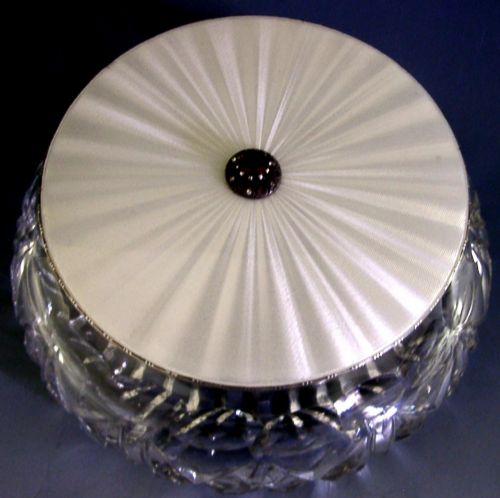
Intricate decorative additions elevate specific examples, particularly undamaged guilloché enamel work, hand-etched glass patterns, and fully legible hallmarks matching the maker's mark on the lid.
A. J. Pepper & Co·Henry Clifford Davis·A. Bromet & Co·Posen of Frankfurt and Berlin·Goldsmith's and Silversmith's Co·Asprey
The Silver Glass Dressing Box Glossary
- Guilloché enamel
- Enamel applied over a mechanically engraved metal background creating repeating geometric patterns. This technique appears frequently on Edwardian and Art Deco vanity lids.
- Sterling silver
- An alloy consisting of ninety-two point five percent silver and seven point five percent other metals, typically copper. British pieces display standard hallmarks indicating this purity.
- Silver-gilt
- Sterling silver that has been coated with a thin layer of gold on its surface. This finish provides a warm golden tone to the interior or exterior mounts.
- Kralik glass
- Art glass produced by the Austrian firm Loetz and similar Bohemian makers known for iridescent finishes and organic shapes. These bodies appear beneath silver lids on select early twentieth-century pieces.
- Dressing table jar
- A container designed to hold creams, powders, or pins on a vanity. They feature wide mouths and secure lids for daily access.
Silver Glass Dressing Box: Frequently Asked Questions
How were these boxes used?
These containers held daily cosmetics, hairpins, trinkets, and toiletries on bedroom dressing tables. Wealthy owners also packed smaller versions inside travelling cases for journeys.
Their sturdy glass bodies and fitted metal lids kept contents secure and clean while remaining accessible during morning routines.
How do I clean the silver?
Maintenance requires soft cloths and non-abrasive silver polishes designed for antique metal. Care must be taken to keep liquid cleaners away from glass cement and enamel panels.
Gentle wiping prevents tarnish buildup without disturbing historical hallmarks or delicate surface decoration.
How can I date a piece?
British items rely on stamped hallmarks showing assay office symbols, date letters, and the lion passant. These stamps provide exact years of manufacture.
Stylistic cues such as enamel colours, cutting patterns, and maker marks help narrow down continental or unmarked pieces.
Where were they made?
Production centred around major silversmithing hubs in Britain, particularly Birmingham, Sheffield, London, and Chester. Continental workshops in France and Germany also supplied high-end retailers.
Export markets distributed these vanity items across Europe and beyond to meet rising Victorian and Edwardian demand.