
Glass Dressing Table Bottle
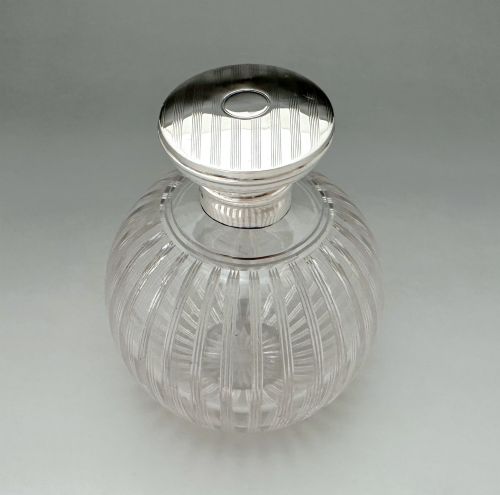
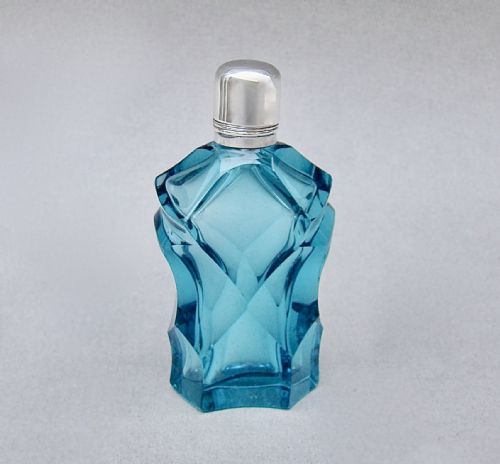
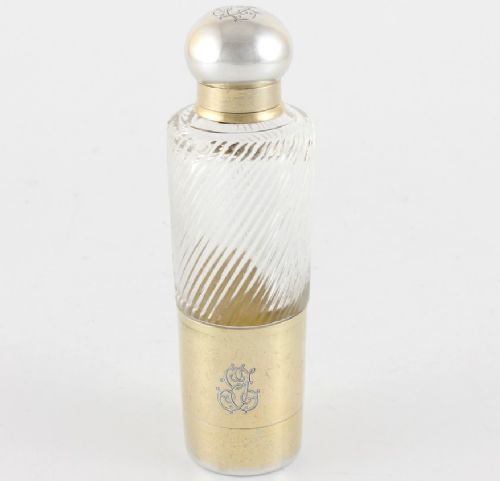
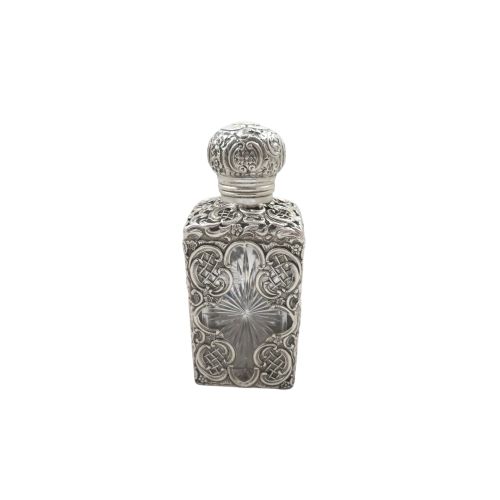
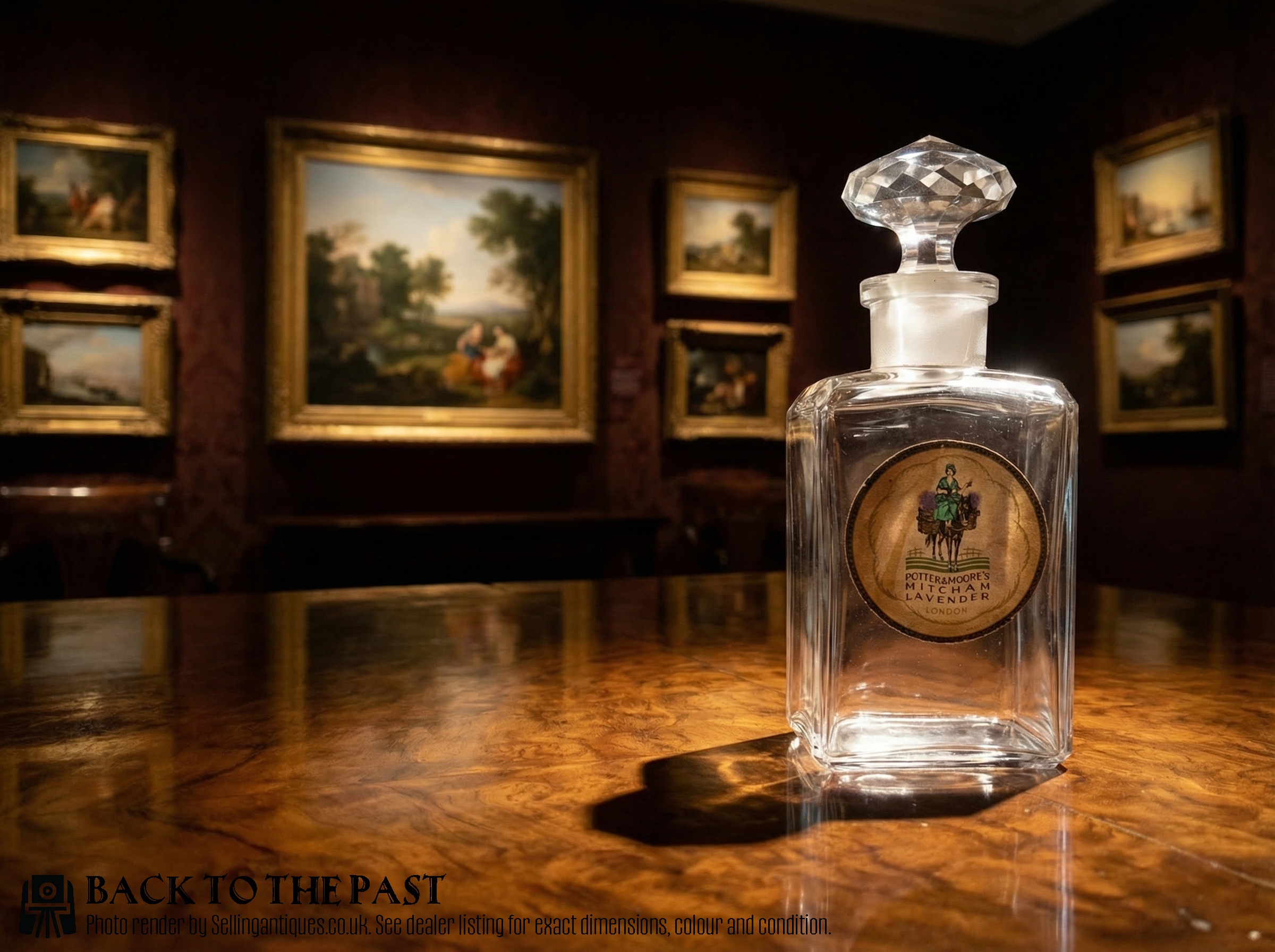
A glass dressing table bottle is a vanity container for scent or cosmetics, prized for combining coloured glass with worked silver mounts.
Glass Dressing Table Bottle
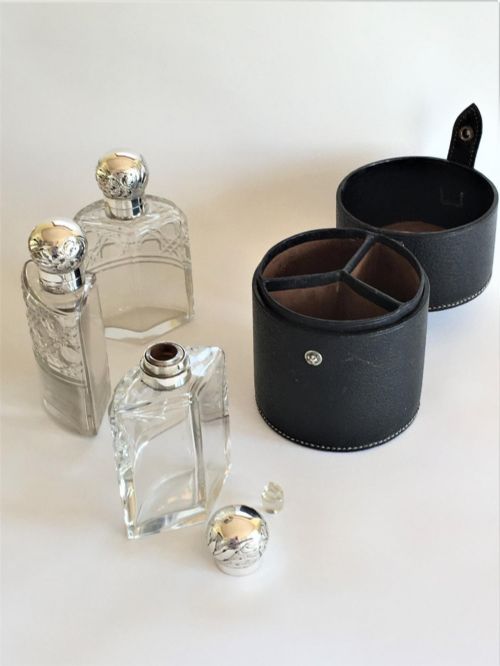
A glass dressing table bottle serves as a decorative container for perfume, cologne, or toiletries upon a Victorian, Edwardian, or Art Deco vanity.
The pieces on this page span the nineteenth and twentieth centuries, originating from English, French, and Czech workshops.
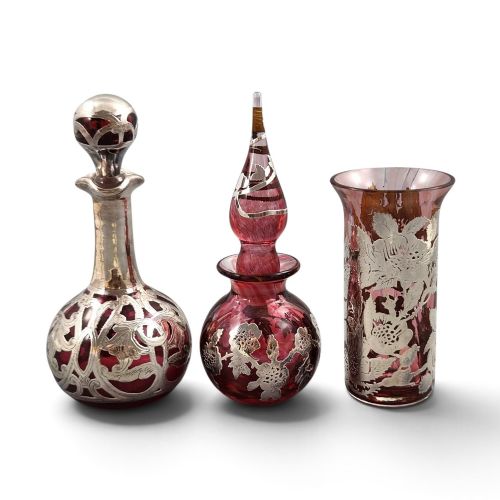
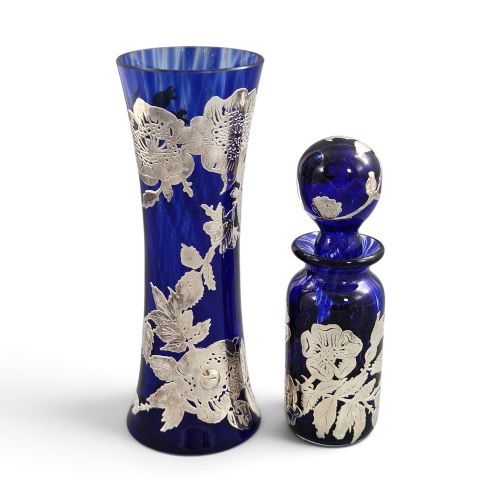
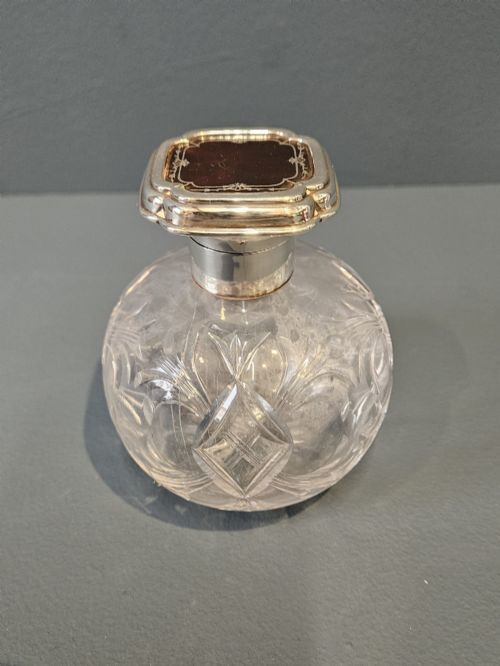
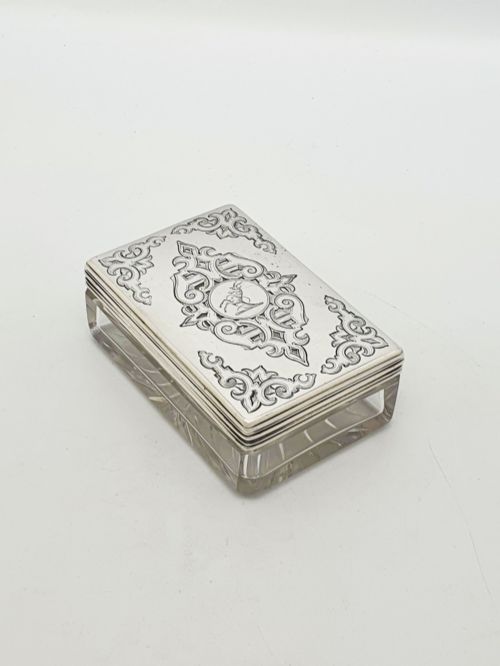
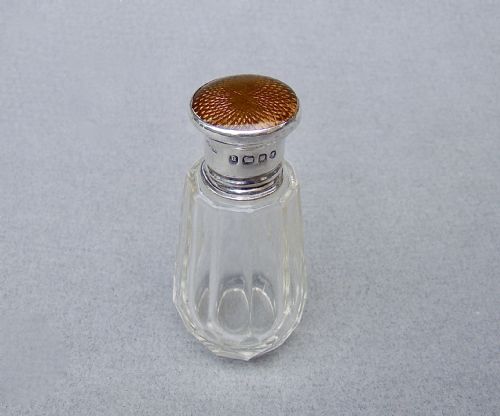
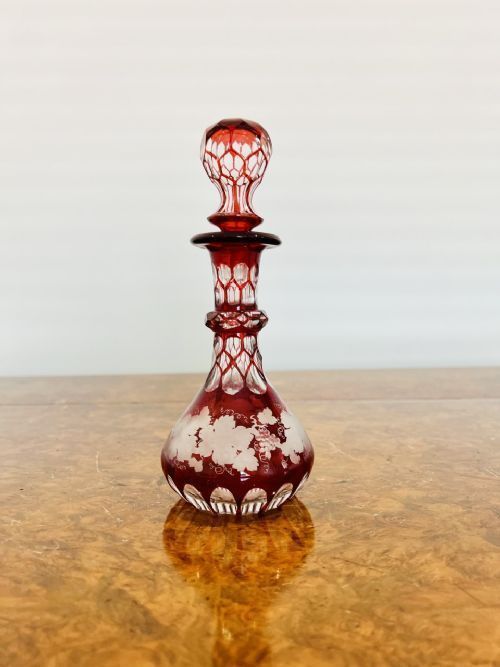
Collectors encounter cut glass bodies fitted with sterling silver collars, enamel lids, or intricate metal overlays alongside moulded studio glass forms.
How They Were Made
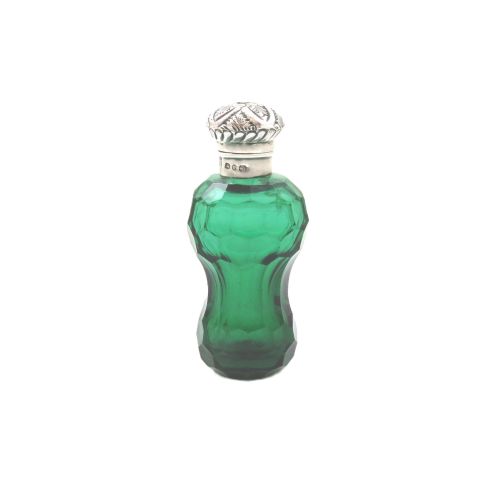
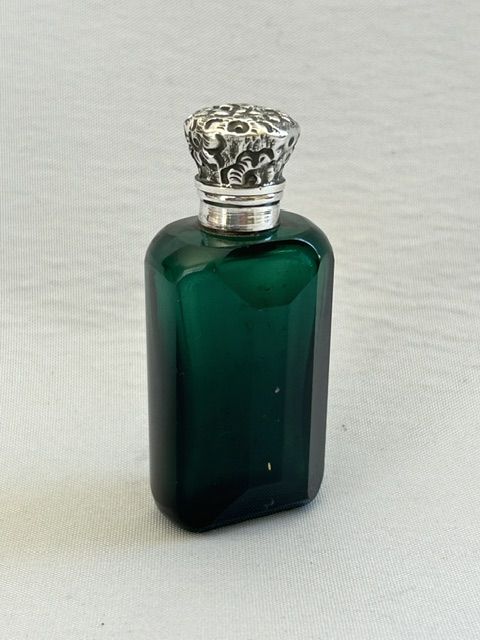
Makers utilised free-blown, moulded, or heavily cut glass for the vessel bodies, ranging from clear crystal to vibrant teal, cobalt, amethyst, and Bristol green hues.
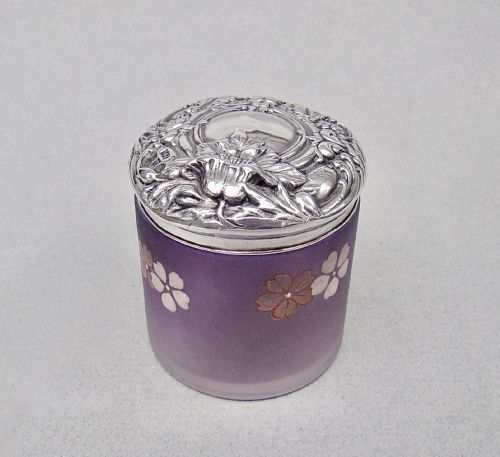
Silversmiths and metalworkers added cast or chased sterling silver mounts, hinged lids, and screw caps, frequently incorporating tortoiseshell, brass, or vibrant enamel inlay.
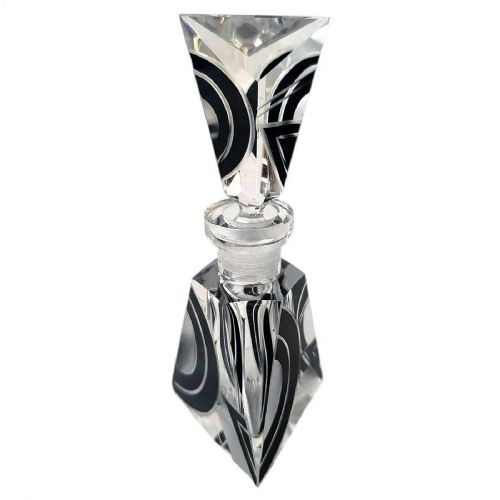
The inventory includes nineteenth-century Bristol green and teal glass alongside 1930s Czech crystal and French perfume flasks.
What Varies In Quality
The standard of cutting on the glass body and the weight of the silver mount distinguish finer examples from standard production pieces.
Intricacy in enamel decoration, the presence of original stoppers, and documented maker attributions elevate certain bottles above ordinary dressing table accessories.
Gorham·Laugharne Glass·Henry Perkins·Karl Palda·Rene Lalique·Rudolf Hlousek·Jonathan Douglas·Barnsley & Co
The Glass Dressing Table Bottle Glossary
- Cut glass
- Glassware shaped and patterned by grinding wheels. This technique creates sharp facets that catch the light.
- Sterling silver mount
- A collar or lid formed from standard silver. These mounts secure the stopper and often bear hallmarks.
- Enamel
- Coloured vitreous glass fused to metal surfaces. It provides vibrant decorative detail on Art Deco lids.
- Bristol green
- A deep translucent green glass historically produced in English kilns. It was widely utilised for nineteenth-century scent bottles.
- Stopper
- A matching glass or metal plug fitting inside the neck. Original stoppers remain crucial for completeness.
Glass Dressing Table Bottle: Frequently Asked Questions
What is a glass dressing table bottle?
A glass dressing table bottle is a small vessel designed to hold perfume, cologne, or toiletries on a bedroom vanity. These pieces combine decorative glass bodies with metal collars and stoppers.
Craftsmen produced them across various historical periods, incorporating materials such as sterling silver, enamel, and cut crystal. They served both a functional role and a decorative purpose in period interiors.
How were these bottles used?
Owners filled these containers with liquid fragrance or scented oils for daily grooming routines. The tight-fitting stoppers and silver caps prevented evaporation.
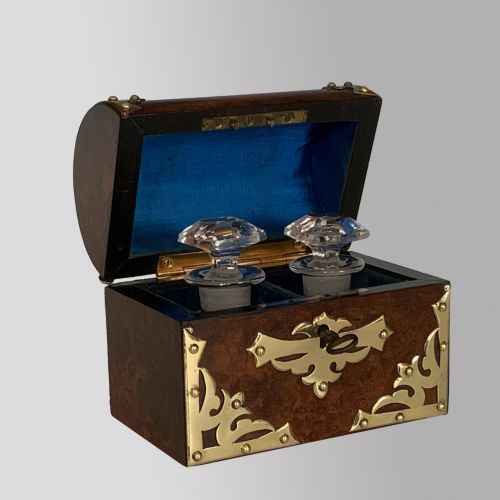
Many examples formed part of larger matched dressing table sets that included trinket boxes and powder jars. They sat displayed on mirrored plateau trays or within fitted travel caskets.
How do I date a glass dressing table bottle?
Dating relies on hallmarks stamped onto the silver mounts, stylistic indicators such as Art Deco geometric cuts, and manufacturing techniques. Victorian pieces often feature heavy cut glass and floral silver chasing.
Later Edwardian and 1920s examples frequently introduce coloured enamels or streamlined forms. Examining the glass tint and stopper style provides further chronological clues.
How should I display them at home?
These bottles display effectively on glass shelves, wooden sideboards, or traditional dressing tables where natural light can pass through the coloured glass. Grouping pieces by period or hue highlights their contrasting materials.
Care should be taken to support fragile stoppers and protect delicate enamel or tortoiseshell inlays from prolonged direct sunlight.