
Silver Condiment Cellars
Silver condiment cellars bring the refinement of Georgian, Victorian and Edwardian dining tables into modern homes through small, beautifully crafted tableware.
Silver Condiment Cellars
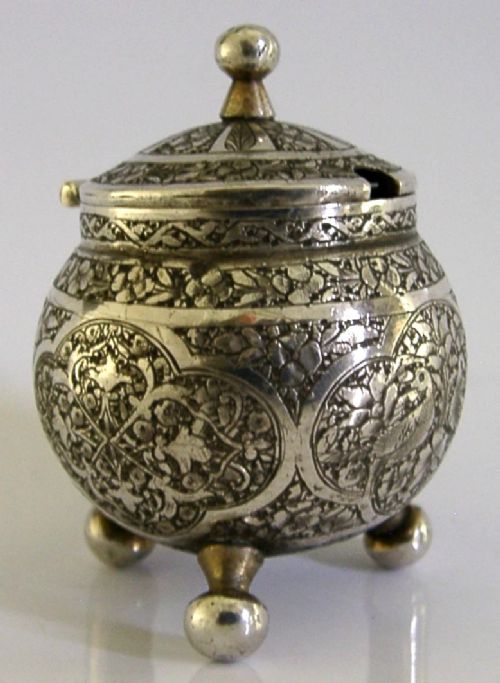
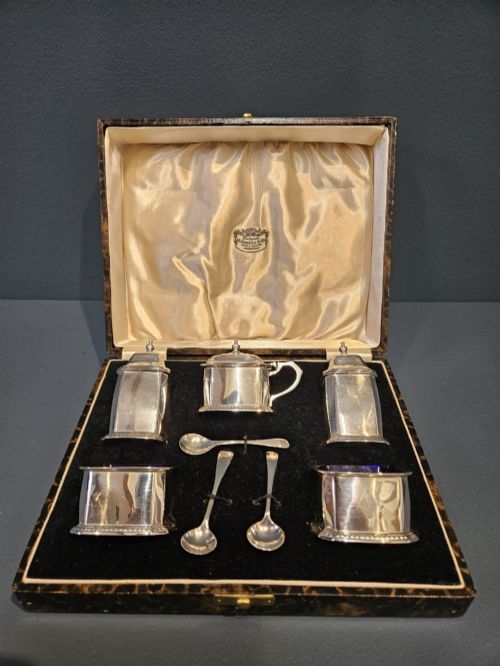
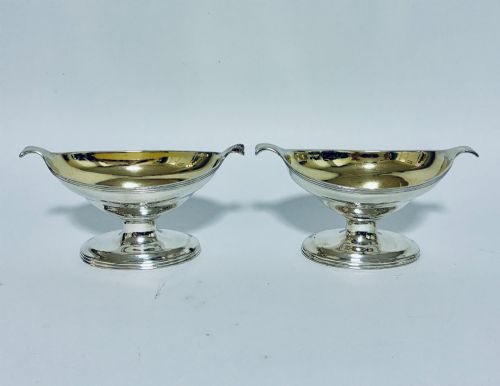
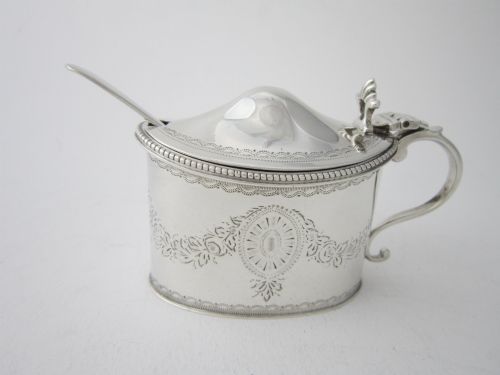
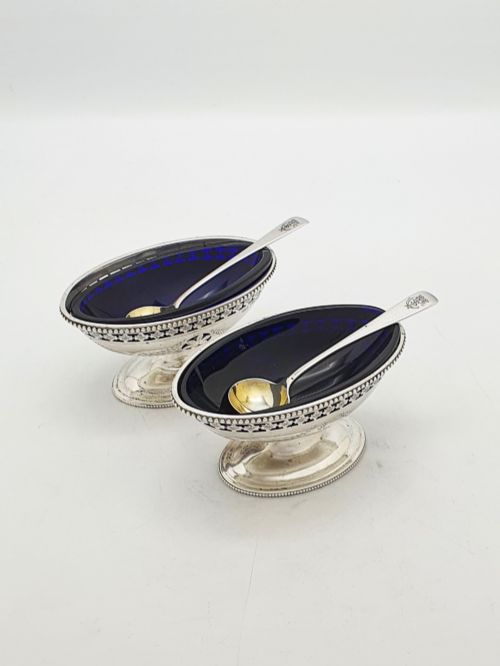
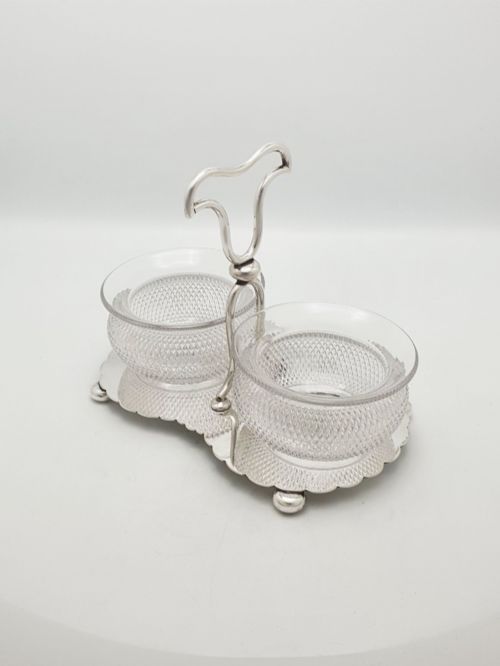
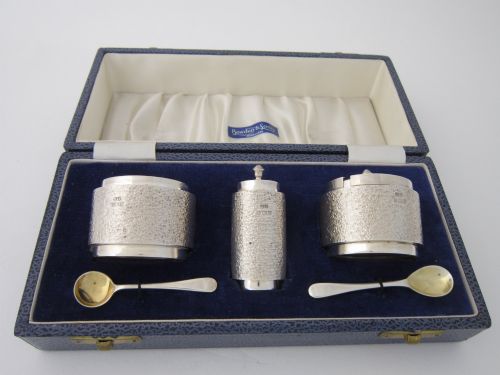
Silver condiment cellars encompass salt cellars, mustard pots, pepper pots and multi-bottle cruet sets designed to hold table seasonings. Buyers seeking these items encounter numerous Victorian and Edwardian pairs, alongside Georgian salt boats and Art Deco sets.
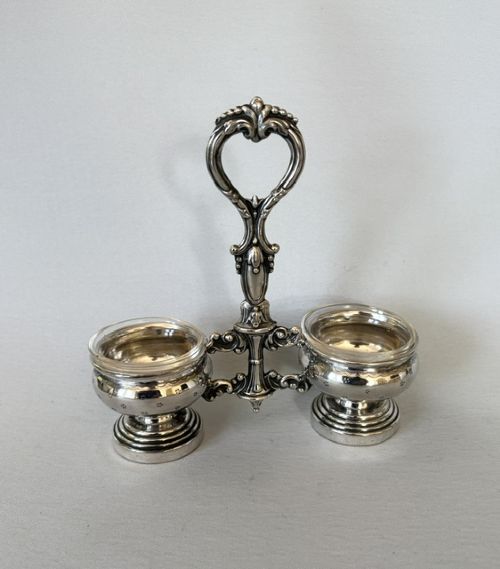
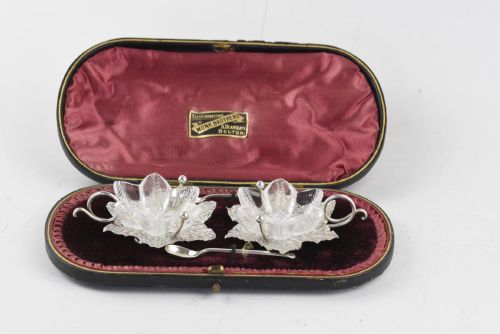
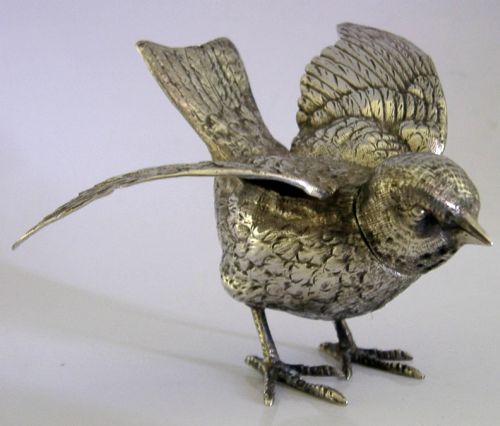
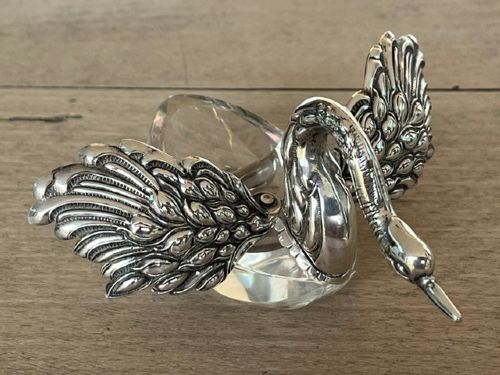
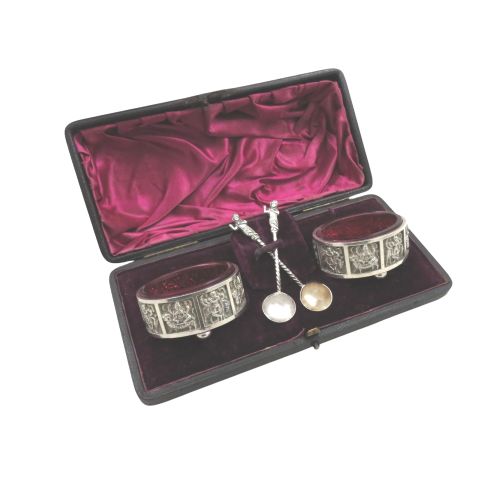
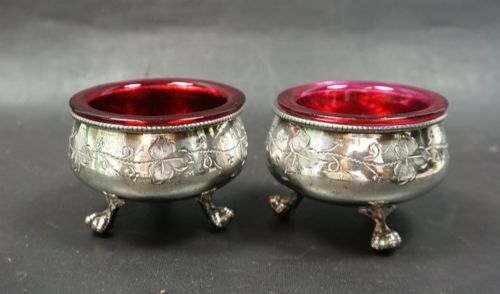
The selections range from simple sterling silver open salts with contrasting glass liners to novelty animal forms, including birds, chicks and swans with movable wings. Stands and multi-piece sets frequently incorporate fitted boxes, matching spoons and specialised glass inserts.
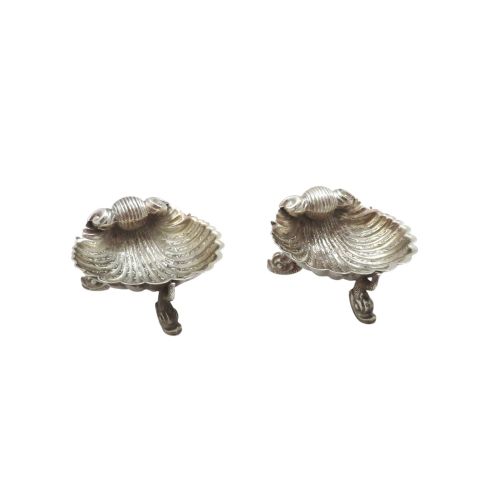
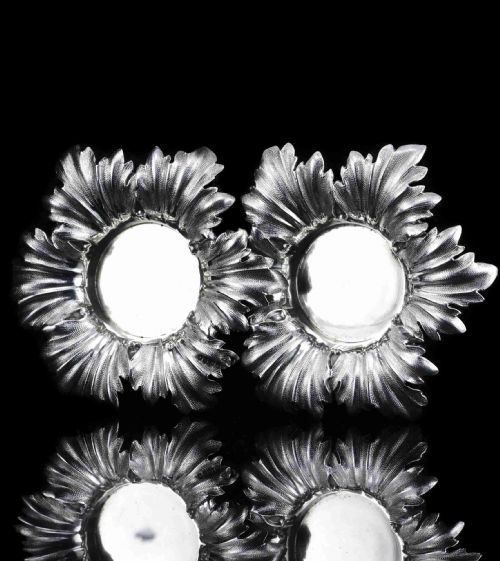
Origins stretch across British workshops in London and Sheffield, alongside continental European pieces from France, Norway and the Ottoman Empire. Forms vary from traditional boat shapes and tubs to wirework, shell designs and foliate chasing.
Markers of distinction
Distinction lies in the crispness of the hand-chased detail, the weight of the solid silver and the integration of original coloured glass liners. Pieces with matching spoons, intact boxes and legible hallmarks command particular attention.
Novelty items rely on the naturalism and articulation of their design, such as feathered bird forms or functional swan wings, separating standard tableware from exceptional sculptural examples.
Several pieces take the form of life-sized birds and swimming swans with hinged wings hiding the salt within.
Barnards·William Neale·Josiah Williams & Co·William Bateman
The Silver Condiment Cellars Glossary
- Salt cellar
- A small open dish or container used to hold table salt before the invention of the modern spring-loaded shaker. These often require a tiny spoon for serving.
- Cruet set
- A matched group of bottles or containers holding condiments like vinegar, oil, pepper and mustard, usually fitted into a silver or silver-plated stand.
- Glass liner
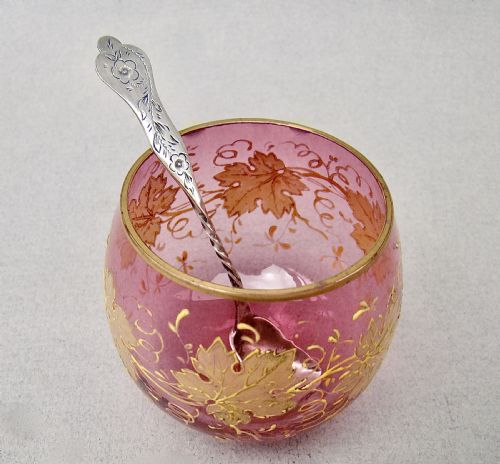
- A removable glass insert, frequently found in cobalt blue or cranberry glass, placed inside an open silver salt to prevent corrosion from the contents.
- Foliate chasing
- A decorative technique where metal is hammered and punched from the front to create raised plant or leaf motifs without removing material.
Silver Condiment Cellars: Frequently Asked Questions
How do I use antique salt cellars today?
Open salt cellars make charming table accessories for serving flaky sea salt or individual portions during dinner parties. Guests use small salt spoons or clean pinches to season their food directly.
They also function well on dressing tables for holding small items like rings or pins when not in use on the dining table.
Are glass liners original to the salts?
Original glass liners fit snugly into the silver framework and match the period characteristics of the cut or coloured glass from that era. Cobalt blue and cranberry glass inserts are particularly common in Victorian and Edwardian examples.
Replacements do occur frequently due to accidental breakage over the decades, so checking the fit against the rim is standard practice.
How should I clean sterling silver condiments?
Gentle washing with warm water and mild washing-up liquid removes daily dust and preserves the underlying metal. Soft cloths prevent scratching during routine maintenance.
Harsh chemical dips strip away desirable aged patination and can damage vulnerable glass inserts or enamel work if liquid seeps underneath.
What is a novelty condiment set?
Novelty sets take whimsical shapes inspired by animals, farmyard creatures or historical objects like Scottish quaichs while retaining a functional purpose. Birds, chicks and swans with hinged wings conceal the condiment containers within their bodies.
Silversmiths produced these playful items largely during the Victorian and Edwardian periods to amuse diners at formal meals.