


Silver Card Box
A silver card box holds the past of parlour games and polite correspondence, bringing tactile weight to bridge tables and dressing desks.
Silver Card Box
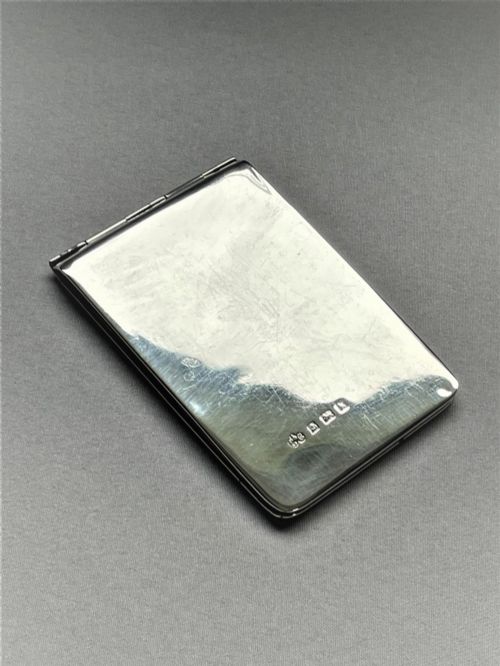
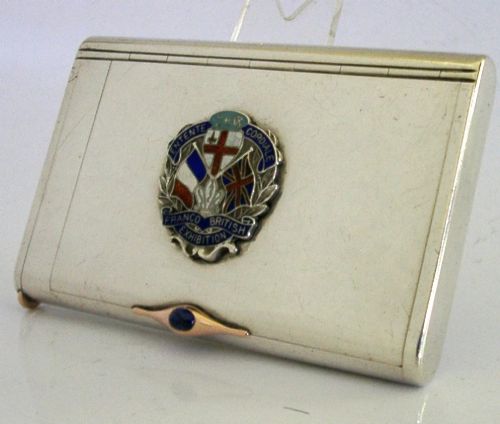
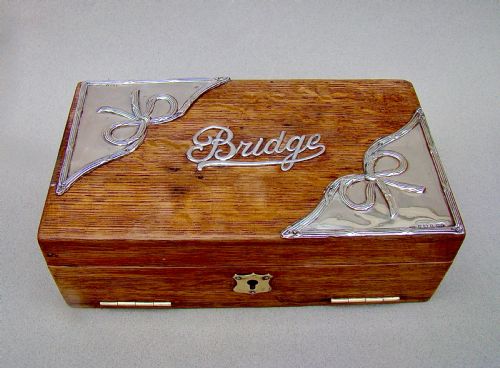
A silver card box serves as a receptacle for playing cards, bridge sets, patience games or visiting cards, emerging in various shapes across the Victorian, Edwardian and Art Deco periods.
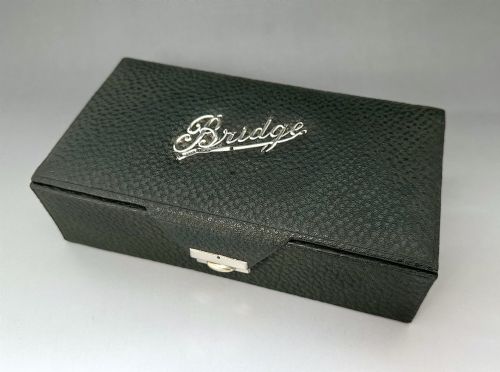
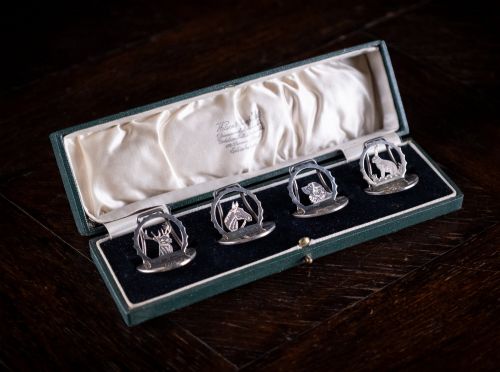
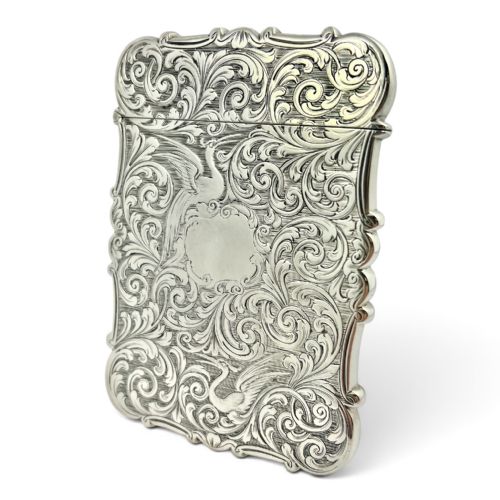
Buyers frequently encounter Edwardian bridge and patience boxes alongside Victorian card cases and caskets, often lined with wood, silk, velvet or leather.
The selection ranges from British hallmarked pieces originating in Birmingham and London to continental, Indian colonial, Ottoman, Russian and Siamese examples.
Materials and Technique
Sterling silver and solid silver form the primary structure, frequently combined with wooden bodies, leather mounts, silk linings or velvet interiors.
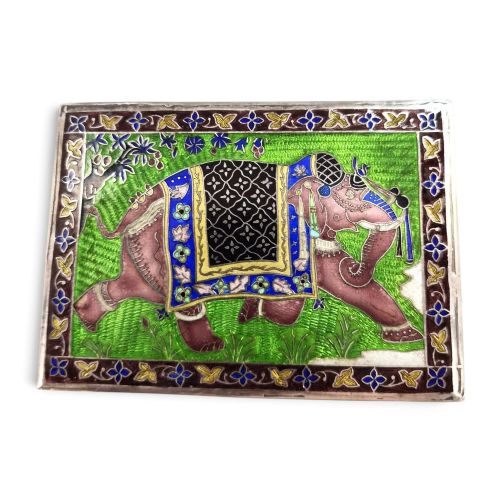
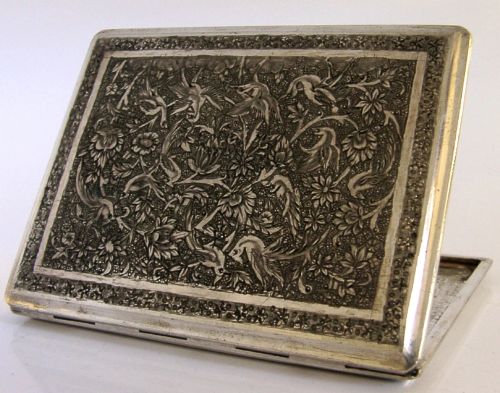
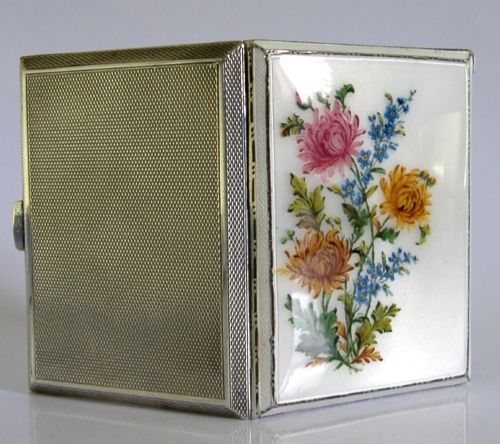
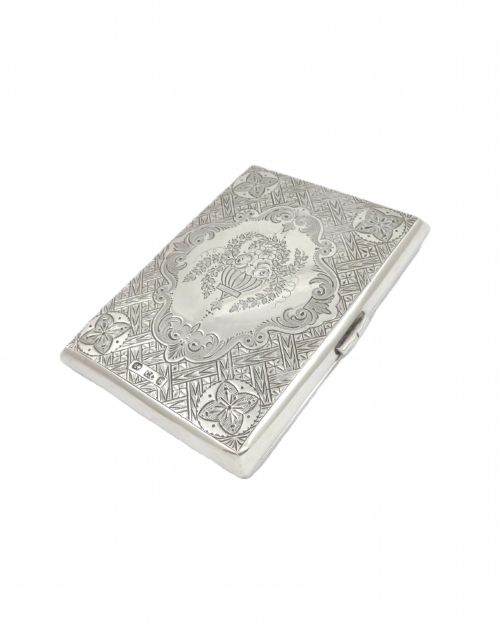
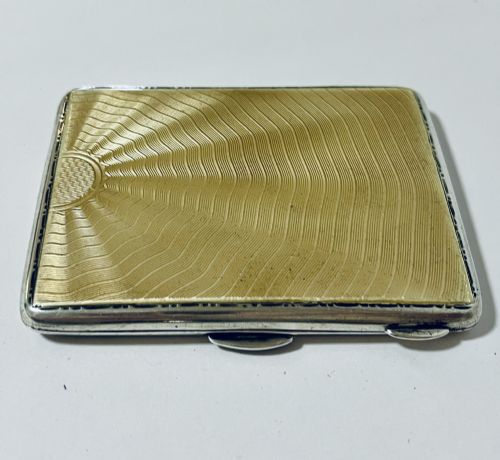
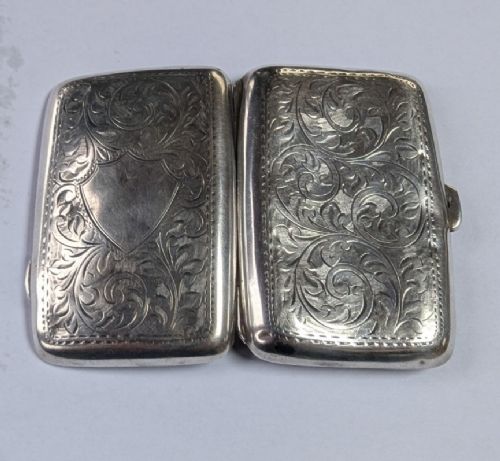
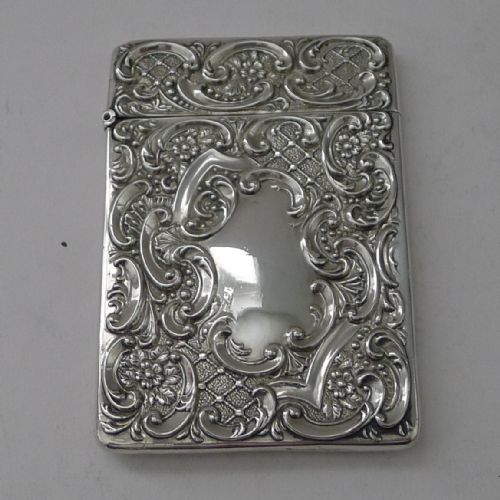
Crests, motifs and intricate patterns take shape through engraving, engine turning, repoussé work, and hand painted enamel or niello decoration.
Markers of Distinction
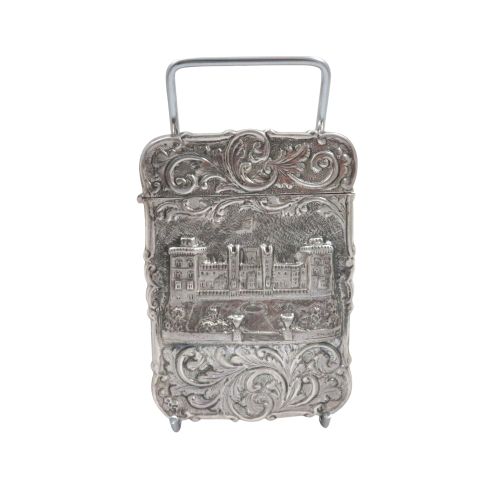
Superior examples display crispness in cast or repoussé ornament, particularly where animal subjects, deities or architectural castle tops appear.
The integrity of internal gilding, the snug fit of hinged lids, and the quality of secondary materials such as burr walnut, tortoiseshell or fitted leather partitions separate ordinary containers from finer workshop productions.
A Wilcox·Levi and Salaman·Nathaniel Mills·George Unite·Edward Edwards·Liberty and Co·Samuel Jacob·Nathan and Hayes·Asprey·Charles Penny Brown·Henry Matthews·William Hutton·Mappin and Webb·Cartier
The Silver Card Box Glossary
- Sterling silver
- A standard alloy consisting of ninety-two point five percent silver by mass, with the remainder being copper or other metals. This metal forms the body of most British boxes.
- Engine turned
- A geometric pattern of fine lines or bands mechanically engraved into a metal surface. This technique decorates many nineteenth-century cases.
- Repoussé
- A method of hammering metal from the reverse side to form a raised design in relief. Indian and Victorian pieces frequently utilise this method.
- Niello
- A black metallic alloy used as an inlay on engraved metal surfaces. It creates high-contrast decorative patterns on Siamese and continental boxes.
- Vesta case
- A small portable box designed to hold matches. These appear alongside cigarette and card holders in many collections.
Silver Card Box: Frequently Asked Questions
What fits inside a silver card box?
These containers hold standard playing cards, miniature patience decks, visiting cards, or bridge accessories depending on their internal dimensions.
Many examples feature fitted wooden dividers, velvet bases or leather linings designed to keep cards and score pads secure.
How do I identify a Victorian box?
Victorian pieces often display hallmarks indicating Birmingham or London assay offices alongside distinct monarchical duty marks and maker stamps.
Stylistic cues such as castle top engravings, elaborate floral repoussé and heavy gauge sterling silver also point to the nineteenth century.
Were these boxes used for bridge?
Edwardian and later boxes accommodate the growing popularity of bridge and patience games by housing fresh packs of cards ready for the table.
Some incorporate drawers, rising trays or hinged lids built specifically to dispense cards during evening gaming sessions.
How should I clean silver boxes?
Gentle maintenance preserves the engraved details, enamel panels and original gilding found on antique metalwork.
Avoid abrasive polishes that wear away delicate surface decoration, particularly on pieces with niello, tortoiseshell or silk linings.