


Silver Card Holder Box
A silver card holder box is a pocket or desk piece for calling cards, cigarettes or games, prized for crisp metalwork.
Silver Card Holder Box
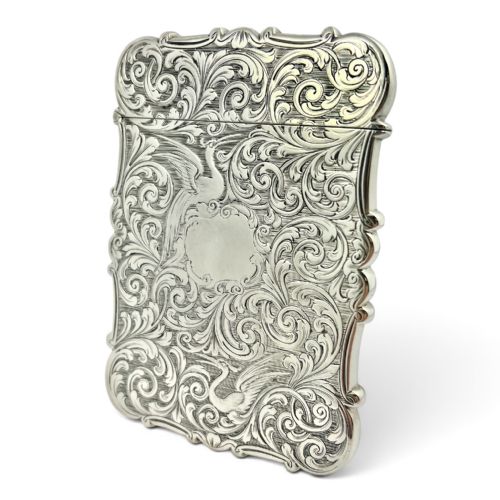
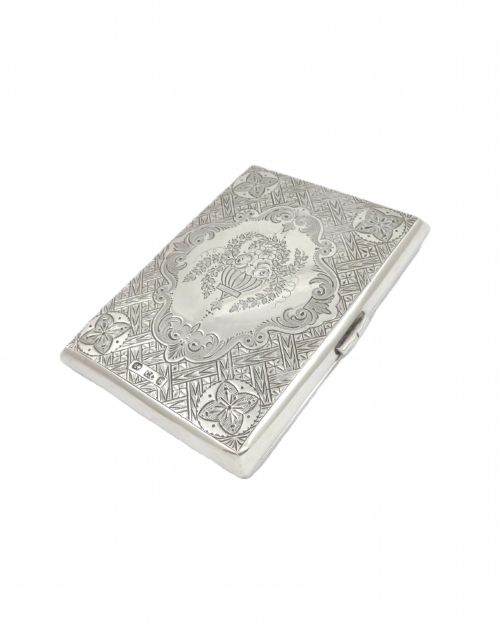
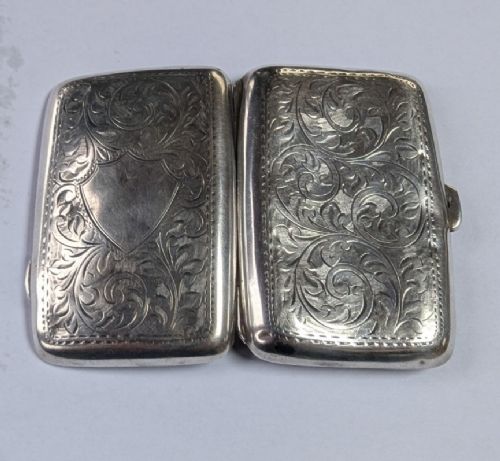
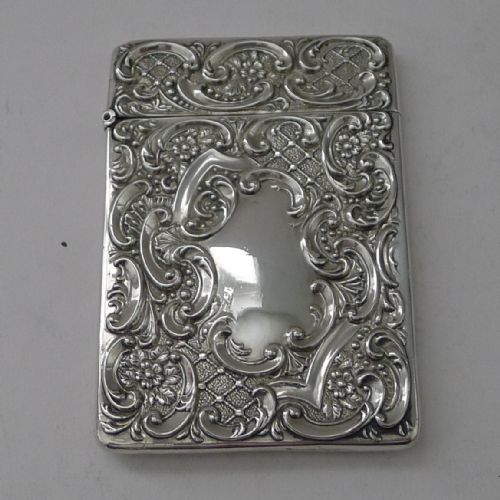
A silver card holder box encompasses pocket card cases, tabletop card boxes, cigarette cases and menu holders found across Victorian, Edwardian and Art Deco periods. These items range from slender folding silver wallets to substantial wooden boxes mounted in sterling silver or lined with velvet and silk.
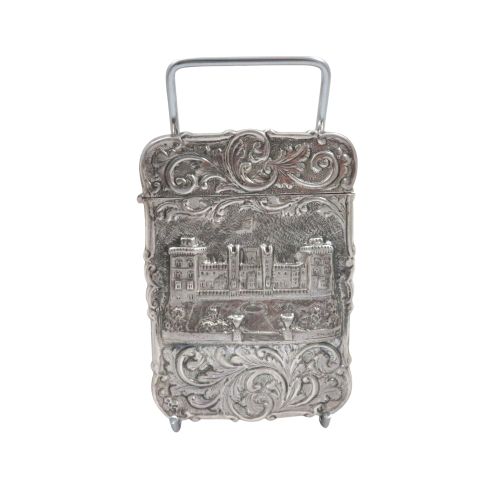
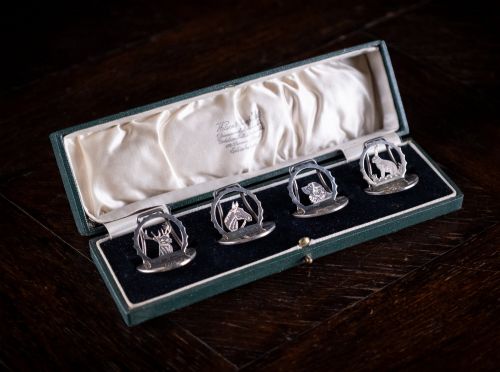
Victorian examples frequently display castle top engravings of landmarks like Windsor Castle or St Paul's Cathedral, alongside traditional foliate scrolls. Edwardian and later twentieth-century items introduce clean geometric lines, animal motifs and colourful enamel panels originating from British workshops and international makers.
How they were made
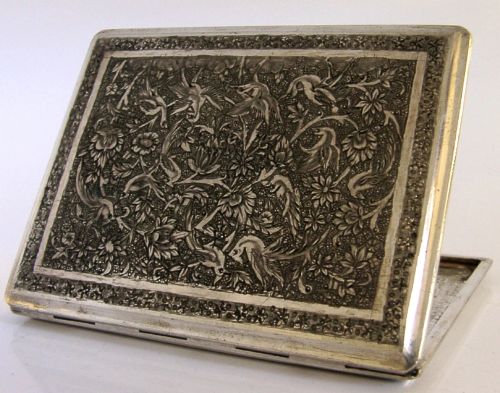
Makers shaped sterling silver and solid silver through piercing, repoussé relief work and precise engine turning to create textured surfaces on card cases and cigarette boxes. Many pieces integrate contrasting materials, mounting silver frames onto leather, tortoiseshell, mother-of-pearl or wooden structures.
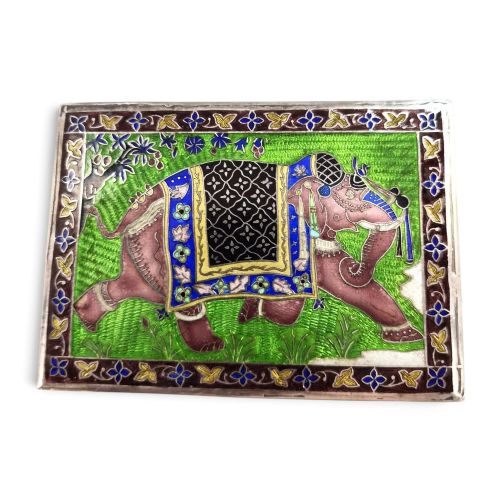
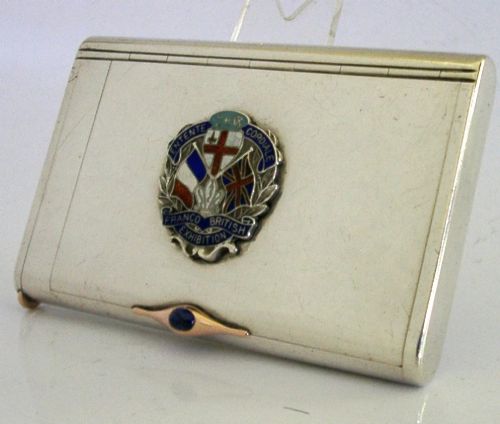
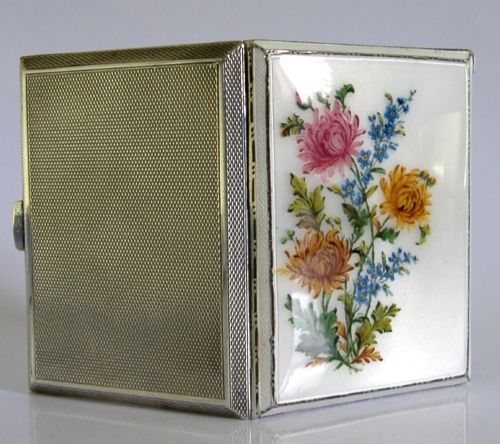
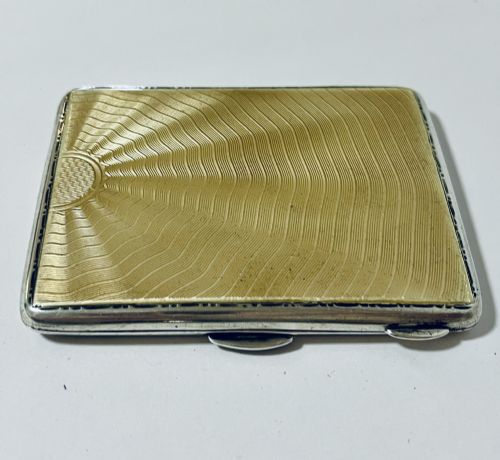
Vivid enamel decoration, hand-painted floral details and gold gilding appear across Edwardian, Art Deco and colonial pieces, adding colour contrast to the polished or engraved silver ground.
Listings feature sterling silver, enamel, tortoiseshell and leather across Victorian, Edwardian and Art Deco periods.
What varies in quality
The standard of a silver card holder box rests upon the crispness of the chasing and engraving, particularly on architectural castle top scenes or detailed figural repoussé work. Deep relief and sharp lines indicate skilled handwork rather than simple machine pressing.
The integrity of secondary materials such as tortoiseshell, enamel and leather linings influences the overall grade of a piece. Well-preserved internal silk and velvet fittings, alongside undamaged enamel panels, separate finer examples from standard production items.
A. Wilcox·Cartier·Edward Edwards·Foxall and Co·Liberty and Co·Nathaniel Mills·Sampson Mordan·George Unite
The Silver Card Holder Box Glossary
- Castle top
- A style of silver card case featuring a detailed high-relief engraving of a famous building or landmark on the cover. These pieces were popular souvenirs during the Victorian era.
- Repoussé
- A metalworking technique where the silver is hammered from the reverse side to form a raised design in relief on the front. It is frequently seen on Indian colonial and Victorian boxes.
- Engine turned
- A geometric pattern of fine engraved lines cut mechanically into the silver surface. This method creates a light-catching texture on cigarette cases and card boxes.
- Vesta case
- A small pocket container designed specifically to hold matches alongside a striking strip. They share many decorative techniques with contemporary card cases.
Silver Card Holder Box: Frequently Asked Questions
What were silver card boxes used for?
These boxes held visiting cards, calling cards or playing cards used in nineteenth and twentieth-century social etiquette. They kept paper goods crisp and clean while carried in a pocket or placed upon a hall table.
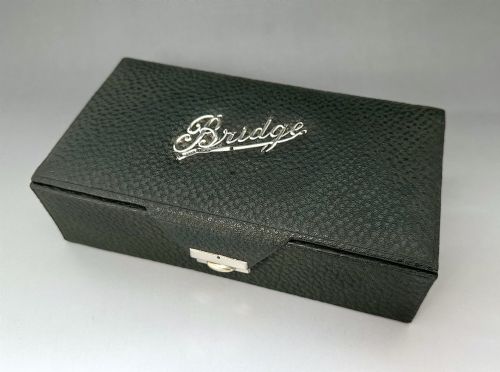
Larger tabletop boxes also housed bridge sets or cigarettes, serving both a functional role and a decorative purpose in period interiors.
How do I date a silver card case?
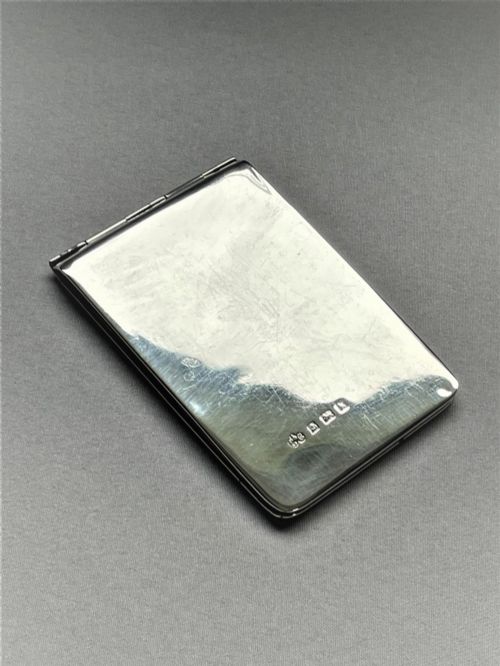
Dating relies heavily upon the stamped hallmarks on the silver, which record the assay office, standard mark and date letter for the year of manufacture. Stylistic indicators like Victorian castle top engraving or Art Deco geometric enamel also point to specific decades.
Comparing the hinge construction and interior lining materials helps confirm whether a piece belongs to the Edwardian period or the mid-twentieth century.
How should I clean silver card boxes?
Careful dusting with a soft microfibre cloth is generally sufficient for maintaining polished sterling silver surfaces without damaging engraved details or hallmarks. Harsh chemical dips should be avoided entirely, particularly on pieces with enamel, tortoiseshell or leather components.
If cleaning tarnish from engraved areas, use a mild, non-abrasive silver polish applied sparingly with a soft brush.