


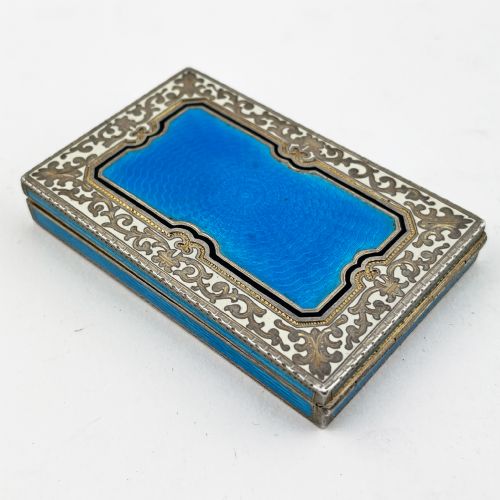

Vintage Silver Card Box
A vintage silver card box brings tactile elegance to any desk, holding visiting cards or playing cards in gleaming precious metal.
Vintage Silver Card Box
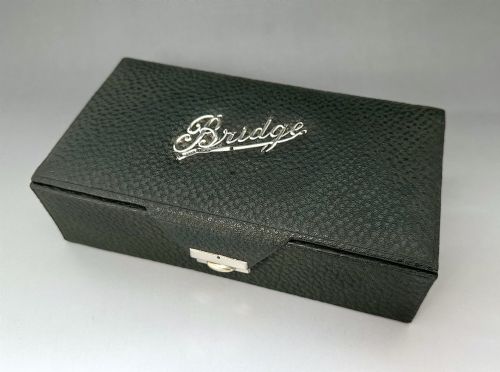
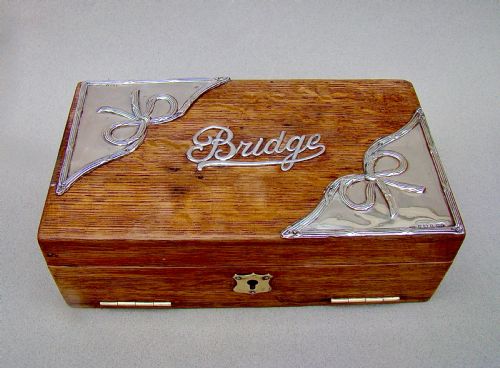
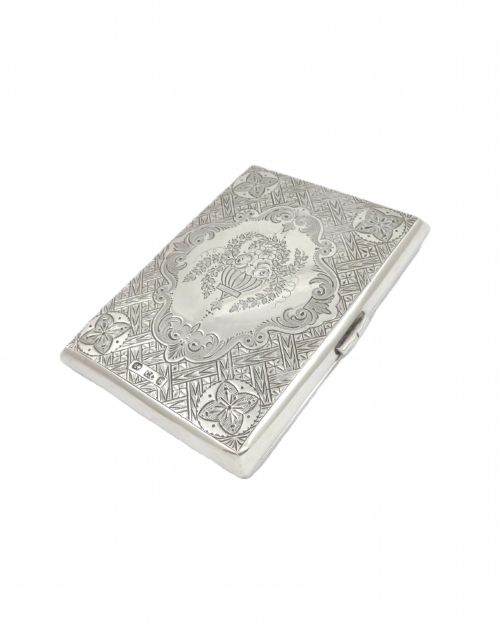
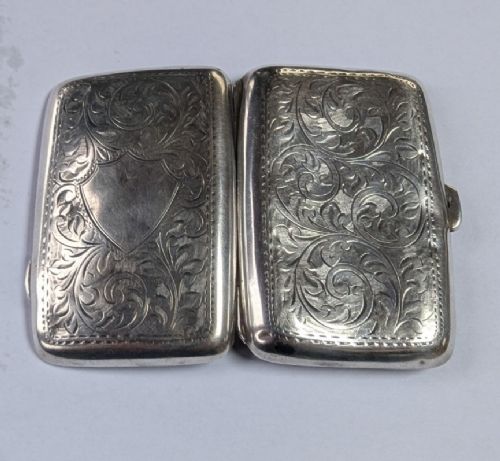
A vintage silver card box encompasses desk accessories, playing card boxes, and portable card cases originating from Victorian, Edwardian, and Art Deco periods. These items reflect social rituals of visiting and gaming, constructed in forms ranging from simple hinged containers to fitted bridge and poker boxes.
Buyers most frequently encounter Edwardian and Victorian sterling silver examples alongside mid-century continental and international pieces. The selection includes specialised containers for visiting cards, stamp cases, and gaming pieces.
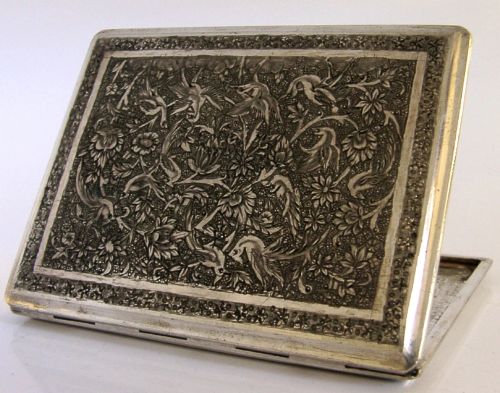
The objects originate from diverse workshops, spanning English provincial assay offices to international makers in Russia, Italy, India, and Siam. Each piece demonstrates the specific social functions of card-playing and correspondence in its respective era.
Materials and Techniques
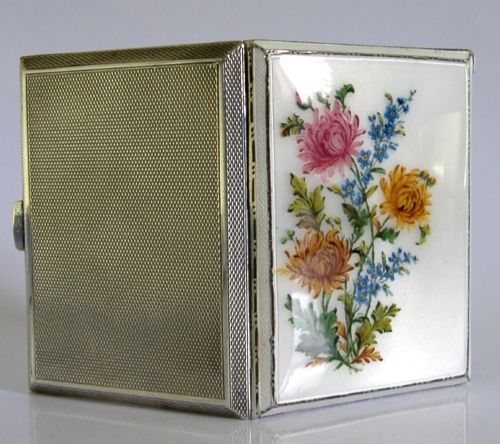
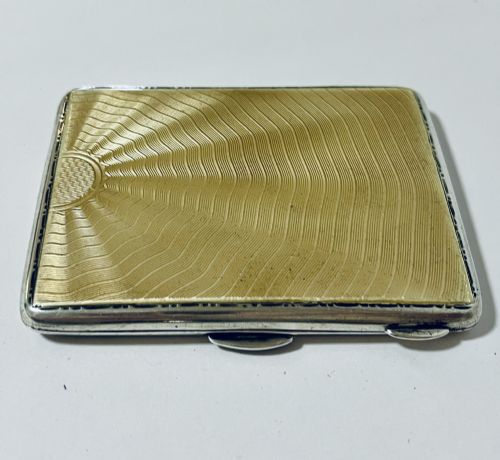
Silversmiths constructed these boxes primarily using sterling silver and continental grades of silver, frequently applying parcel-gilt interiors to protect the metal from tobacco or ink. Techniques include hand-hammered Arts and Crafts surfaces, engine-turned guilloche patterns, and intricate repousse work.
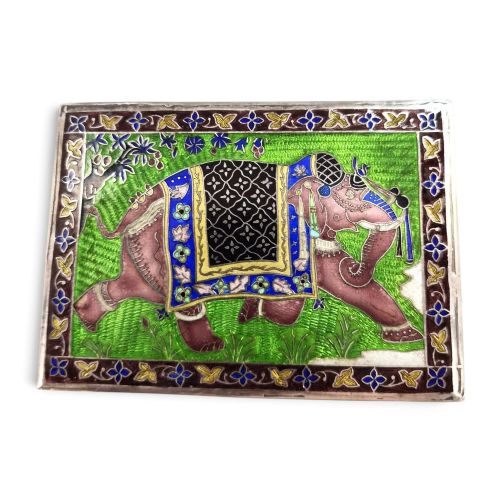
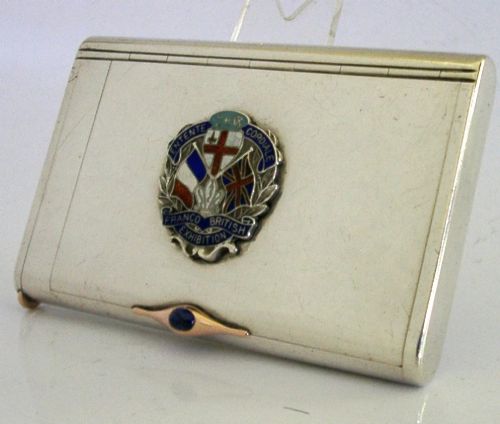
Many boxes incorporate secondary materials such as leather, velvet, glass, and wood linings designed to protect delicate playing cards or paper notes. Enamel decoration, including hand-painted floral motifs and cloisonne, frequently adorns the exterior surfaces.
Specialist techniques such as niello inlay and lacquer feature in international pieces, while structural mounts combine silver hardware with fitted wooden or leather carcases for card and game boxes.
Listings feature items spanning the Victorian, Edwardian, Art Deco, and Soviet eras, incorporating materials from leather and silk to enamel and gold.
Evaluating the Range
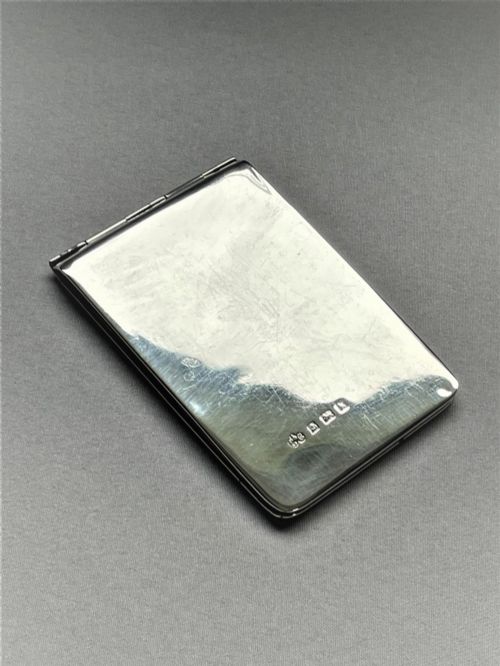
Quality separates standard production items from masterworks through the crispness of hallmark stamps, the precision of hinge fitting, and the integrity of internal gilding. Superior pieces maintain alignment between lid and body without play in the pins.
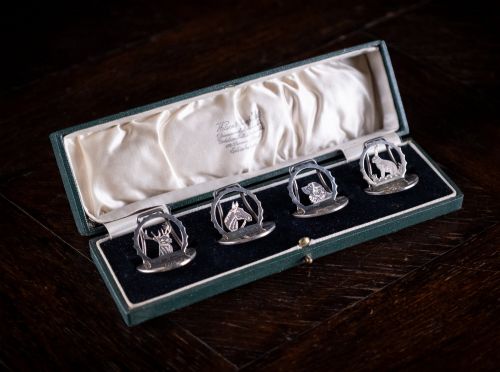
The artistic execution of surface decoration distinguishes finer examples, particularly in hand-painted enamels, detailed niello work, or hand-chased animal motifs. The presence of specialised internal fitments, such as rising trays for playing cards or divided compartments, indicates higher craftsmanship.
The pedigree of the maker or retailer, from provincial English assayers to renowned houses like Cartier or Liberty and Co, elevates the significance of a piece within the historical record.
Cartier·Liberty and Co·Levi and Salaman·A Wilcox·Nelson and Drake
The Vintage Silver Card Box Glossary
- Hallmark
- Official stamps struck into precious metal indicating the assay office, metal purity standard, and year of manufacture. These marks provide the primary documentation for dating antique silver.
- Guilloche
- A decorative mechanical technique whereby precise geometric patterns are engraved into a metal surface beneath translucent enamel. This method was widely utilised during the Edwardian and Art Deco periods.
- Niello
- A black metallic alloy of sulphur, silver, lead, and copper used as an inlay on engraved metal. It creates striking contrast against polished silver backgrounds.
- Parcel-gilt
- A method of applying a thin layer of gold to specific areas of a silver object, usually the interior. This protects the metal from tarnishing or chemical reaction.
- Vesta case
- A small pocket container specifically designed to hold matches and keep them dry. These often share similar dimensions and hinged mechanisms with early card and stamp cases.
Vintage Silver Card Box: Frequently Asked Questions
What were silver card boxes used for?
These boxes held visiting cards, calling cards, or playing cards for bridge and poker games in formal drawing rooms. They kept paper goods crisp and organised on desks or carried them securely.
Portable versions allowed individuals to present calling cards during social visits, while larger fitted boxes stayed in the home for evening entertainment.
How do I clean antique silver boxes?
Use a soft microfiber cloth and a mild silver polish specifically formulated for antiques to remove tarnish gently. Avoid harsh chemical dips that strip away desirable patination and historical ageing.
Take special care around enamel panels, leather linings, or gilt interiors to prevent moisture damage during cleaning.
How can I tell an Edwardian box from a Victorian one?
Hallmarks stamped on the metal provide the exact year and assay office of manufacture, distinguishing Victorian reigns from Edwardian periods. Stylistic cues also help, as Victorian pieces often feature heavy repousse work while Edwardian examples lean toward neoclassical lightness.
Art Deco and later twentieth-century boxes introduce geometric lines and modernist motifs that depart from nineteenth-century ornamentation.
Are these boxes suitable for daily use?
Sturdy sterling silver construction makes many of these boxes durable enough for modern storage of small items like business cards or stamps. Hinges and closures generally remain functional after a century of use.
Enamelled or gilt-lined pieces benefit from gentler handling to preserve delicate surface decoration and internal finishes.