




Silver Playing Card Case
These silver playing card case pieces combine practical card storage with fine metalwork, offering collectors a tactile piece of past social history.
Silver Playing Card Case
A silver playing card case serves as a container for storing card decks securely. The pieces seen here span Victorian, Edwardian, and mid-century periods, including 1930, 1920, 1900, 1950, and 1940.
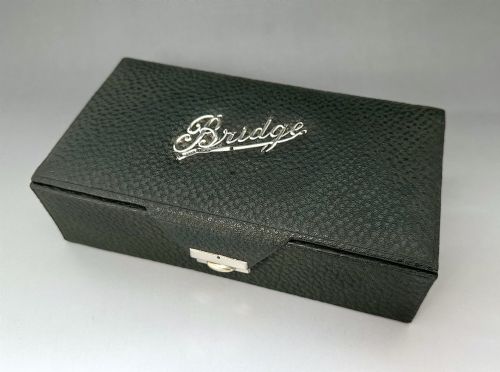
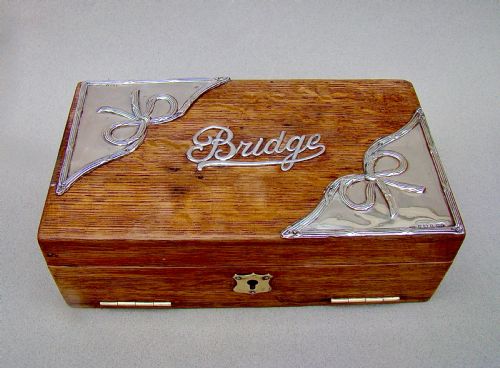
Buyers will encounter various forms, such as playing card boxes, bridge boxes, patience boxes, games boxes, and miniature cases. Materials include silver, sterling silver, leather, enamel, wood, glass, paper, and oak.
Stylistic influences range across Edwardian, Art Deco, Victorian, Mid-Century Modernist, Arts and Crafts, and 1940s Italian designs. Associated items like card suit spoons also appear among the selections.
How they were made
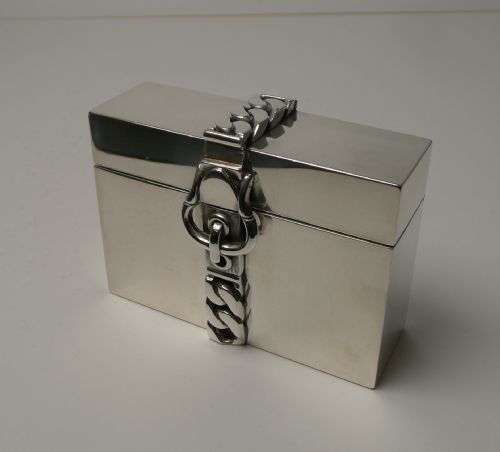
Silversmiths utilised sterling silver and 800 silver to construct the primary bodies and mounts of these containers. Techniques involved forming solid silver sheet metal and casting decorative elements.
Many boxes integrate supplementary materials like leather, enamel, wood, glass, paper, and oak. Interiors often feature specialised trays, such as rising card mechanisms, combined with wooden or leather carcases.
Listings feature sterling silver, 800 silver, leather, enamel, and oak across Victorian, Edwardian, and mid-century periods.
What varies in quality
The standard of a silver playing card case depends on the crispness of its manufacture and the integrity of its mixed media elements. Pieces featuring detailed enamel work or integrated rising trays demonstrate greater complexity in execution.
The harmony between the silver mounts and secondary materials like leather or wood dictates the visual success of the object. Maker attribution and period specific hallmarks also influence the distinction of individual examples.
Levi and Salaman·Nelson and Drake·Nathan and Hayes
The Silver Playing Card Case Glossary
- Sterling silver
- An alloy of silver containing ninety-two point five percent pure silver and seven point five percent other metals, typically copper. This standard alloy provides durability for frequently handled items.
- Hallmark
- An official stamp applied to precious metals indicating the standard of purity, the assay office, and the date letter. These marks help verify the origin and period of the object.
- Bridge box
- A specialised container designed to hold two packs of playing cards alongside score pads or pencils. These often appear in Edwardian and Art Deco styles.
- Enamel
- A glassy substance fused to the surface of metal through firing to provide colour and decoration. This technique appears on select mid-century and Italian pieces.
- Bakelite
- An early synthetic plastic utilised in twentieth-century objects and cutlery handles. Items from the Art Deco period frequently incorporate this material alongside silver.
Silver Playing Card Case: Frequently Asked Questions
What is a silver playing card case used for?
These pieces were designed to store playing cards safely while entertaining guests at home or during travel. Their sturdy construction protected paper card decks from bending and environmental wear.
Today, they function as decorative objects on sideboards or as storage containers for modern card collections and small keepsakes.
How do I identify an Edwardian silver playing card case?
Edwardian examples typically display hallmarks dating from the early twentieth century, alongside specific stylistic motifs popular during the reign of King Edward VII. They frequently incorporate silver mounts on leather or wooden bodies.
Examining the assay office marks and date letters stamped into the metal provides the exact year of manufacture.
What materials are found besides silver?
Many boxes combine solid silver or sterling silver with leather, oak, glass, and paper linings. Some twentieth-century pieces incorporate enamel or Bakelite elements.
These mixed media constructions reflect the changing interior aesthetics across the Victorian, Edwardian, and Art Deco periods.
How should I care for silver card boxes?
Silver surfaces benefit from gentle cleaning with a specialised microfibre cloth to remove tarnish without abrading the metal. Avoid harsh chemical dips, particularly on pieces with enamel or leather components.
Maintaining a stable room humidity prevents the wooden or leather carcases from warping and protects paper interiors.