

Silver Basket Bowl
When you search for a silver basket bowl, you are looking at an intersection of tableware and decorative metalwork spanning centuries of design.
Silver Basket Bowl
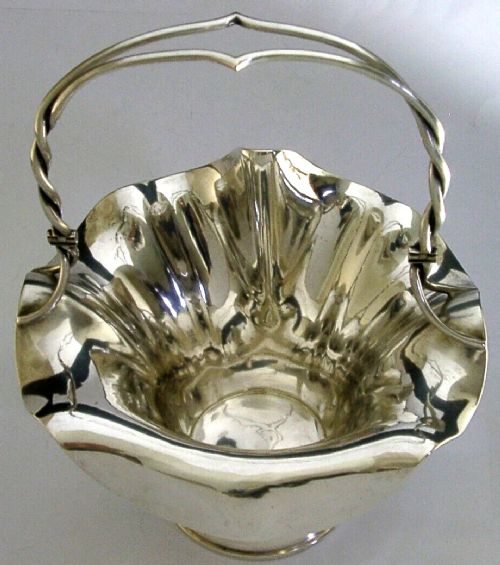
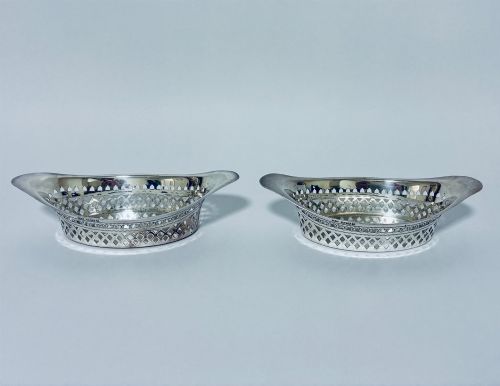
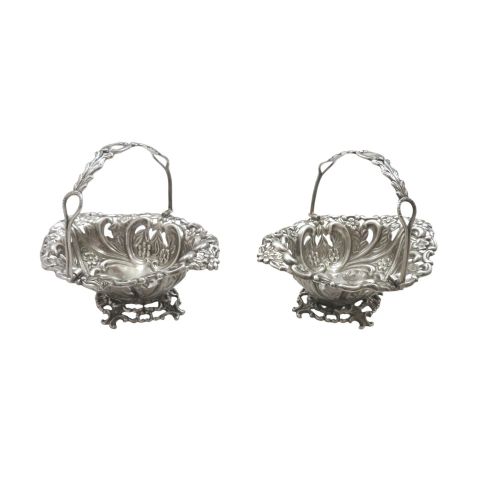
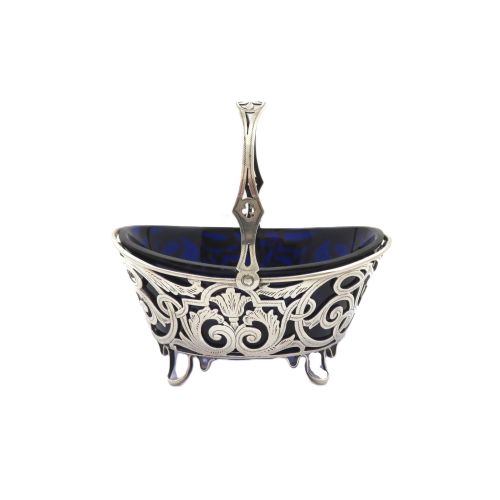
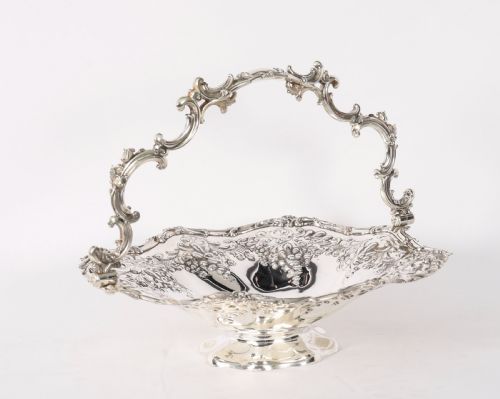
A silver basket bowl serves multiple functions across formal dining, operating as sugar containers, fruit holders, bread receptacles, and sweetmeat dishes. The pieces on this page originate from periods including the Georgian era, the Victorian age, the Edwardian years, and the early twentieth century.
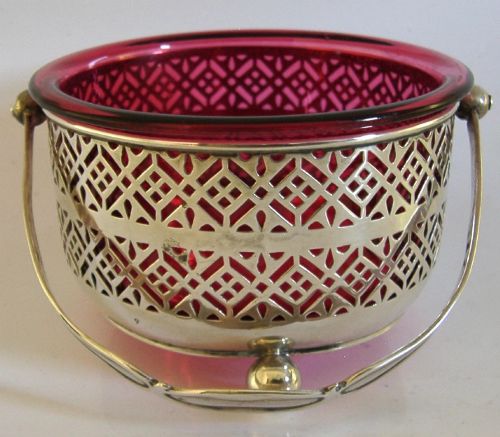
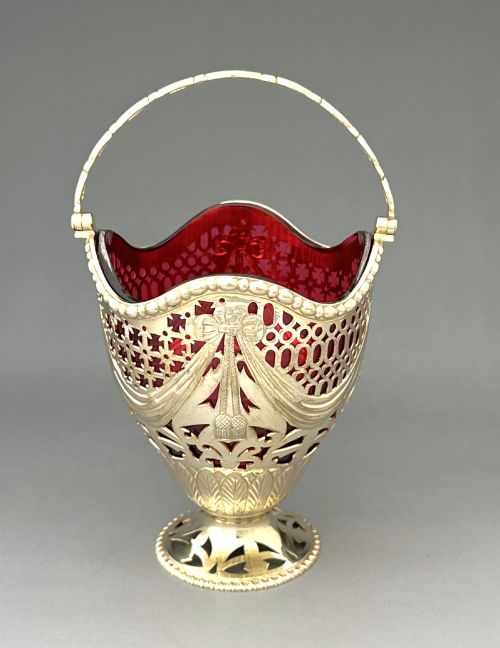
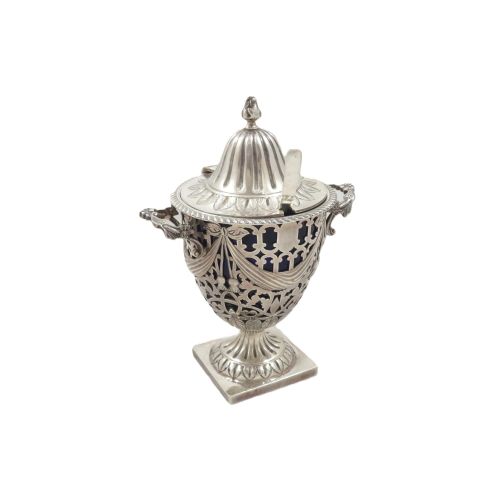
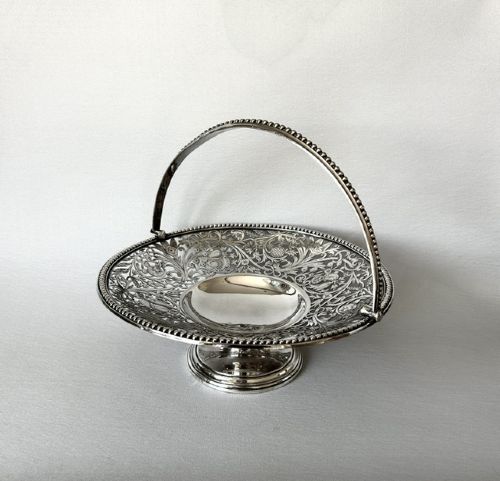
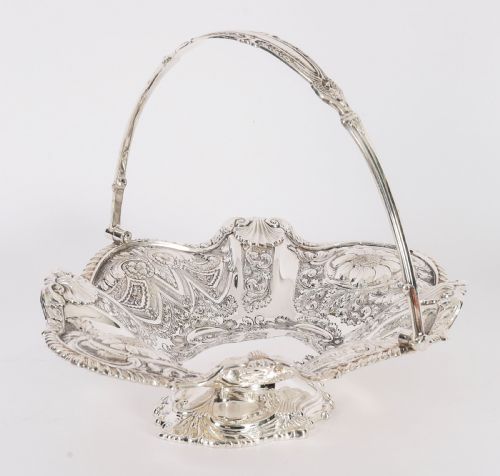
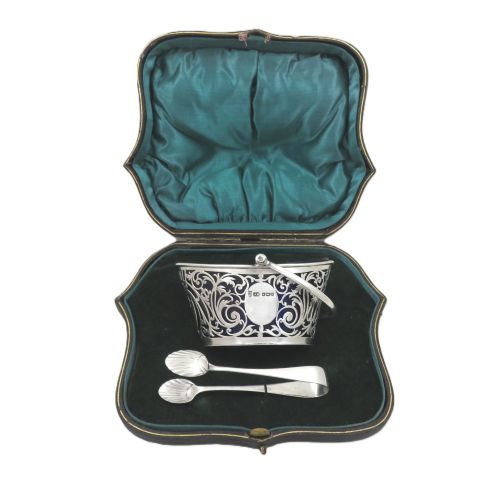
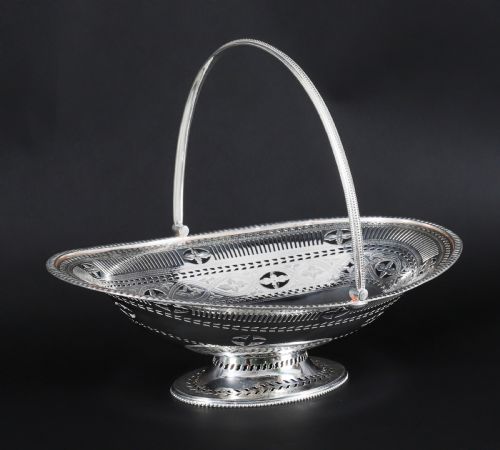
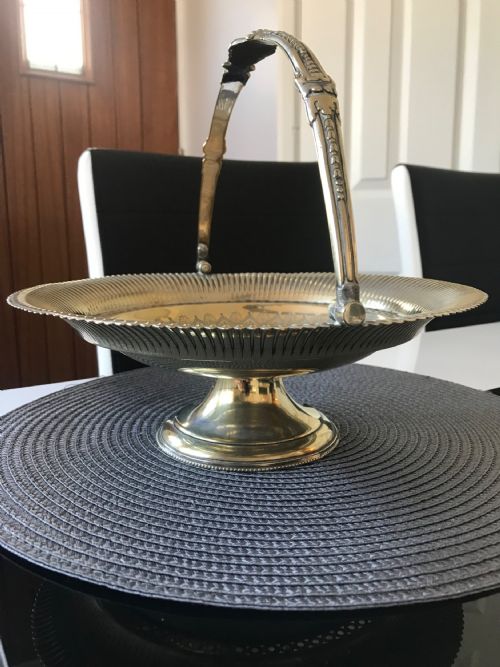
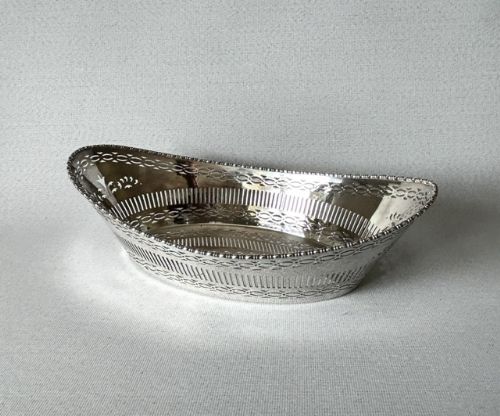
Forms vary significantly, encompassing swing-handled centrepieces, pedestal bonbon dishes, pierced cream pails, and handled bread vessels. Buyers frequently encounter Edwardian and Victorian iterations featuring integrated glass liners in colours like cranberry, cobalt, and vaseline.
Stylistic influences range from Neoclassical piercing and Rococo revival shell motifs to organic Art Nouveau lines and crisp geometric Art Deco shapes. These items bridge the gap between functional tableware and decorative centrepieces intended for display.
How they were made
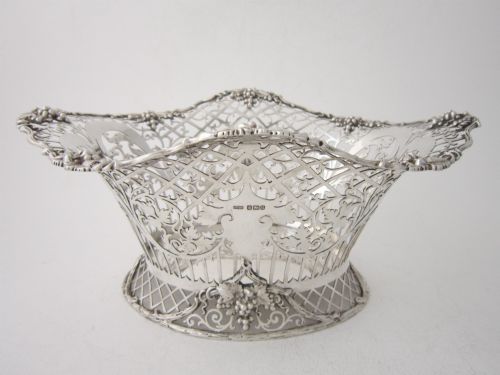
Silversmiths utilised sterling silver and Old Sheffield plate, alongside electroplated nickel silver and copper bases for silver-plated items. Metalwork techniques involved piercing, embossing, chasing, and repoussé work to create intricate floral rims and openwork patterns.
Coloured glass inserts, including cranberry, ruby, and amber varieties, were blown and fitted specifically to complement pierced silver frames. Swing handles were engineered with hinged mounts to allow easy access to the contents of the bowl.
What varies in quality
The standard of craftsmanship depends on the precision of the piercing, the depth of the chased or repoussé relief, and the weight of the metal utilised in the construction. Heavier solid silver pieces demonstrate greater substance, whereas plated items rely on the durability and preservation of the underlying silver layer.
The presence of original, undamaged coloured glass liners and maker marks significantly influences the standing of a piece. Well-preserved maker stamps and clear hallmarks provide definitive evidence of origin and maker identity.
Aldridge and Green·Henry Chawner·Mappin and Webb·Elkington and Co·Walker and Hall·Thomas Bradbury·Joseph Rodgers·William Hutton and Sons·Robert Garrard·Goldsmiths and Silversmiths
The Silver Basket Bowl Glossary
- Sterling silver
- An alloy containing 92.5 percent silver and 7.5 percent other metals, usually copper. This standard has been used for British silver tableware for centuries.
- Silver plate
- A base metal, such as copper or nickel silver, coated with a layer of pure silver. Techniques include Old Sheffield plating and electroplating.
- Repoussé
- A metalworking technique where the smith hammers the metal from the reverse side to form a raised design in relief on the front. Floral motifs often appear executed in this manner.
- Pierced
- Workmanship involving the cutting or sawing of decorative openwork patterns through the metal sheet. This method lightened the visual weight of large fruit and bread vessels.
- Swing handle
- A movable handle attached to pivots on opposite sides of the bowl. It allows the vessel to be easily carried or laid flat against the rim.
Silver Basket Bowl: Frequently Asked Questions
What was a silver basket bowl used for?
These vessels held items like bread, fruit, sugar, and sweetmeats during formal dining and entertaining. Their open designs and glass liners accommodated foods that benefited from air circulation or required containment.
Over time, their roles shifted between practical tableware and ornamental centrepieces displayed on sideboards and dining tables. Today, they continue to serve similar decorative or serving functions in domestic interiors.
How do I identify a Georgian silver basket?
Georgian pieces often display Neoclassical symmetry, intricate hand-piercing, and cast rococo borders. They feature hallmarks specific to the eighteenth or early nineteenth centuries, including duty marks and maker initials.
Checking for hand-engraved crests and Old Sheffield plate construction methods can also help distinguish these earlier examples from later Victorian revivals.
Are glass liners original to the baskets?
Many baskets were manufactured with blown glass inserts designed to fit the exact contours of the pierced metal frame. Cranberry, cobalt, and vaseline glass liners are frequently encountered in Edwardian and late Victorian examples.
Matching the rim shape and base dimensions helps determine if a glass insert belongs to the specific metal framework housing it.
What is the difference between sterling and silver plate?
Sterling silver is a regulated alloy containing a high percentage of pure silver throughout the entire object. Silver plate consists of a base metal core covered by a thin external layer of silver.
Hallmarks indicate solid sterling silver standards, whereas plate marks or manufacturer stamps denote electroplated or fused metal items.