


Vintage Silver Table Basket
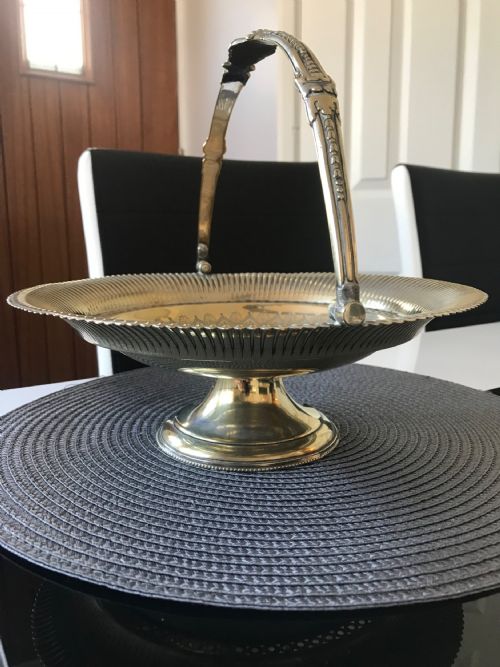
A vintage silver table basket brings tactile domestic history to a surface, offering pierced metalwork or swing handles for fruit and bread.
Vintage Silver Table Basket
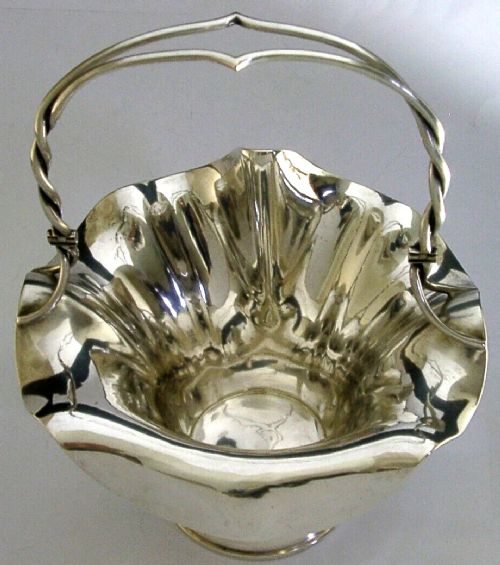
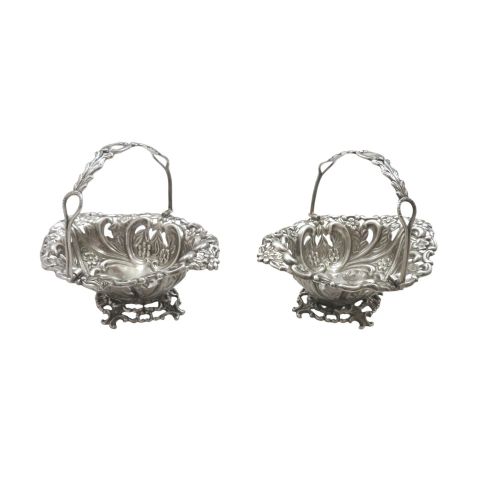
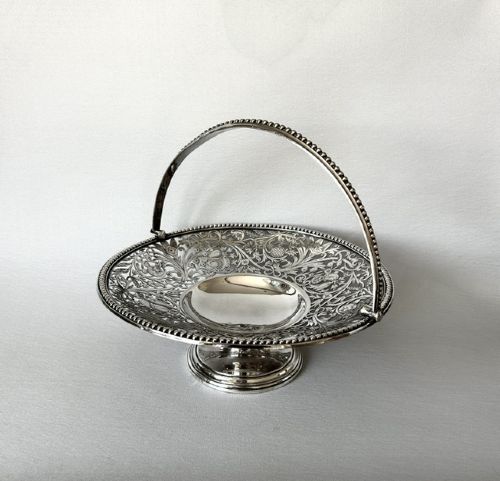
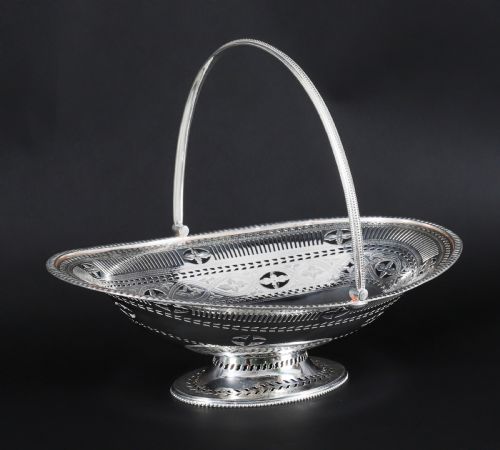
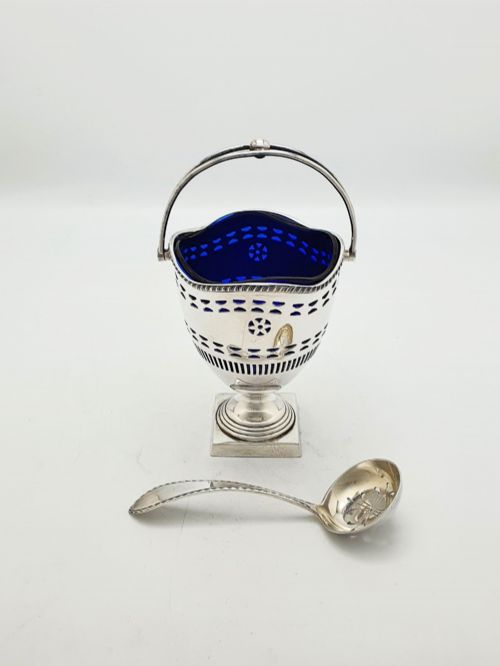
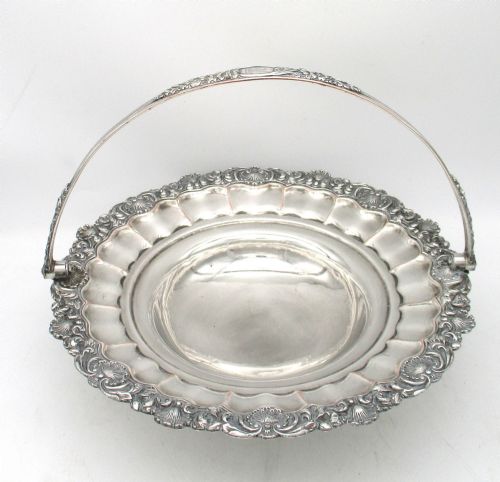
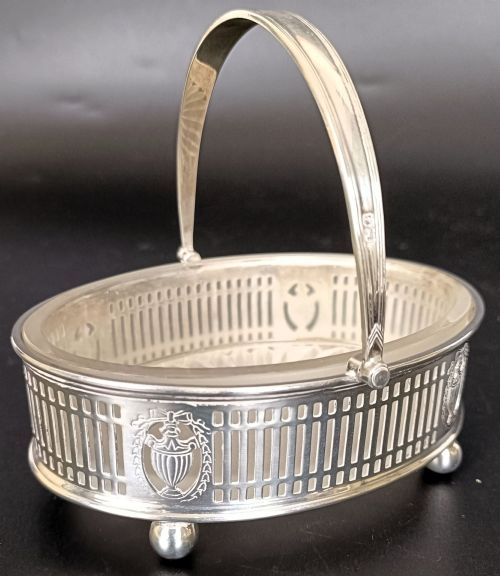
A vintage silver table basket comprises forms used across centuries for fruit, bread, cakes, and sugar, frequently encountered in Edwardian and Victorian iterations. These pieces range from substantial solid silver centrepieces to silver-plated wirework and swing-handled vessels designed for formal dining rooms. Buyers often encounter specific types such as cake baskets, fruit bowls, and pierced sugar bowls complete with cobalt glass liners.
The selection spans periods from the eighteenth century through to the art deco era, showing styles including neoclassical, art nouveau, and Victorian design. Most examples sitting on tables today date from the nineteenth and early twentieth centuries, reflecting the domestic rituals of those decades. Makers and plating firms from Sheffield and London produced these utilitarian yet decorative vessels in solid sterling silver and heavy silver plate.
Materials and Construction Techniques
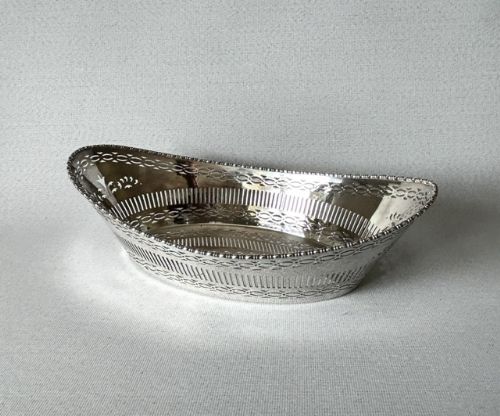
The construction relies heavily on sterling silver, silver plate, old Sheffield plate, and electroplated nickel silver, often shaped through piercing, wirework, and repoussé decoration. Craftsmen pierced metal sheets into intricate geometric or floral patterns and raised bowls from single sheets of silver. Swing handles were riveted or hinged to oval and round frames to facilitate passing at the table.
Early pieces utilise old Sheffield plate techniques, fusing a thin layer of silver to a copper base, whereas later nineteenth and twentieth-century items commonly employ electroplating on nickel silver or solid sterling. Interiors sometimes incorporate contrasting materials like cobalt glass liners or cut crystal inserts, held securely within the metal framework.
One unexpected Edwardian set includes matching flower pot stands paired directly with Royal Worcester ceramic pots.
Assessing Craftsmanship and Condition
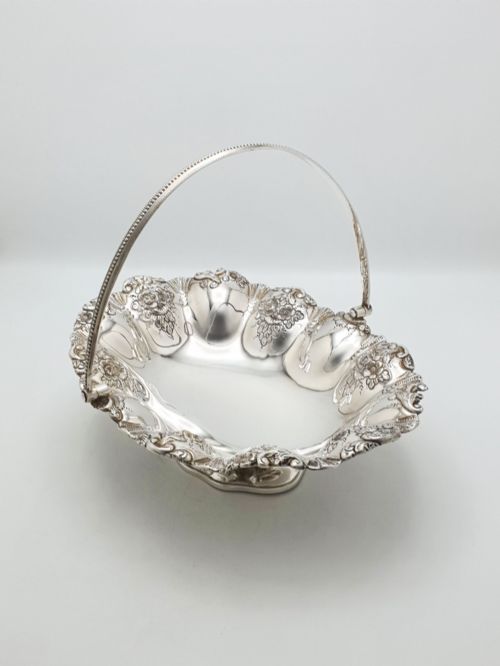
Quality rests in the crispness of the piercing, the weight of the metal, and the integrity of the plating over copper or nickel bases. Superior examples retain deep floral repoussé without thinning from excessive polishing, alongside sturdy swing handles that remain balanced and firm at their pivots.
The presence of crisp maker marks, original glass liners, and heraldic crests elevates certain specimens above standard production wares. Construction methods that avoid visible solder joints and maintain structural rigidity under the weight of fruit or bread signal superior workshop production.
Mappin & Webb·Elkington·Brille Paris·James Dixon
The Vintage Silver Table Basket Glossary
- Pierced work
- Metal perforated with patterns of holes or slots to create lightweight decorative friezes. This technique allowed artisans to lighten heavy metal vessels while displaying intricate geometric or floral designs.
- Old Sheffield plate
- A material made by fusing a thin sheet of sterling silver to a thicker copper core. Pieces made this way often reveal thin lines of copper where the silver has worn down at high points.
- Swing handle
- A movable arch attached to the rim of a basket by hinges or pins. It allows the vessel to be lifted easily and laid flat against the sides when resting on a table.
- Repoussé
- A method of shaping metal by hammering the reverse side to form a raised design in relief. This ornamentation frequently depicts floral motifs and scrolls along the rims of serving dishes.
- EPNS
- Electroplated nickel silver, denoting a base metal coated in a thin layer of silver using an electric current. This process became widespread during the nineteenth century for producing affordable tableware.
Vintage Silver Table Basket: Frequently Asked Questions
What were vintage silver table baskets used for?
These vessels served functional roles in dining rooms, holding fruit, bread, cakes, or sugar during formal meals and afternoon tea. They allowed hosts to present perishable goods attractively before guests.
Over time, their uses expanded into decorative centrepieces and stands for floral arrangements or glass liners. Their design accommodated both passing around the table and resting as stationary focal points.
How do I clean a silver table basket?
Maintenance requires gentle washing with warm soapy water and a soft cloth to remove dust and oils without harming the metal surface. Avoid abrasive cleaners that strip silver plating or damage delicate wirework.
For tarnish, a mild, non-abrasive silver polish applied sparingly preserves the underlying detail and hallmarks. Storing pieces away from damp environments prevents premature corrosion of the base metals.
How can I tell the period of a silver basket?
Dating relies on stylistic clues such as the flowing asymmetrical lines of art nouveau or the strict symmetry of neoclassical and Victorian designs. Examining the manufacturing technique, such as old Sheffield plate versus electroplating, narrows the timeline.
Maker marks and stamped hallmarks provide definitive clues to the year of assay and the workshop of origin. Comparing the weight and construction methods further helps distinguish eighteenth-century wirework from later twentieth-century reproductions.
Are these baskets durable enough for daily use?
Solid silver and heavy silver-plated baskets possess robust structures capable of regular handling and serving dry foods like bread or fruit. However, delicate wirework and older plated surfaces require careful management to prevent bending or wear.
Liners made of cobalt glass or crystal add weight and need separate handling during washing. Using them for display or occasional serving preserves their historical condition best.