

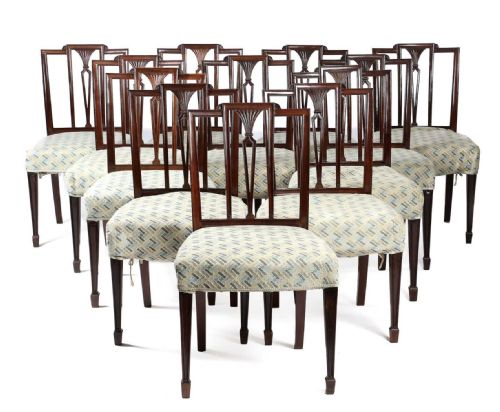
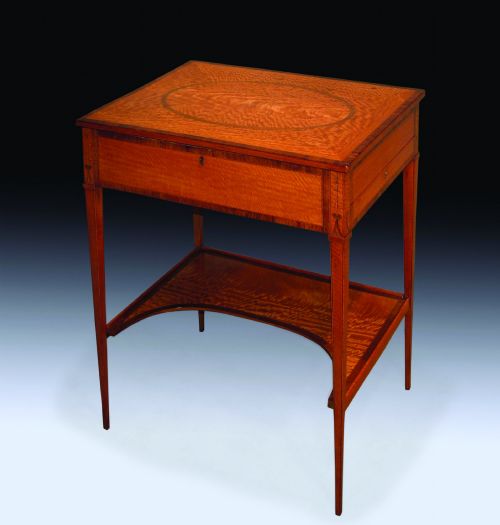

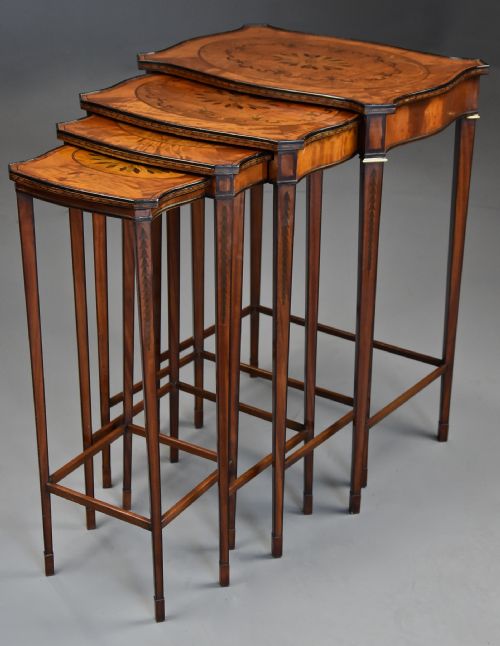


Sheraton Period Side Table
A sheraton period side table brings refined neoclassical lines and figured timber into a room, offering both practical surface space and architectural elegance.
Sheraton Period Side Table
When searching for a sheraton period side table, a buyer encounters pieces originating primarily from the eighteenth century, alongside later Edwardian interpretations built in the same style. These items span various forms, including Pembroke tables, demi-lune consoles, occasional tables, and specific side servers designed with straight or bow fronts.
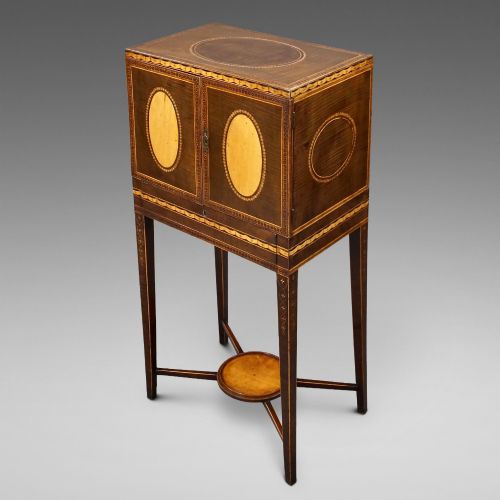
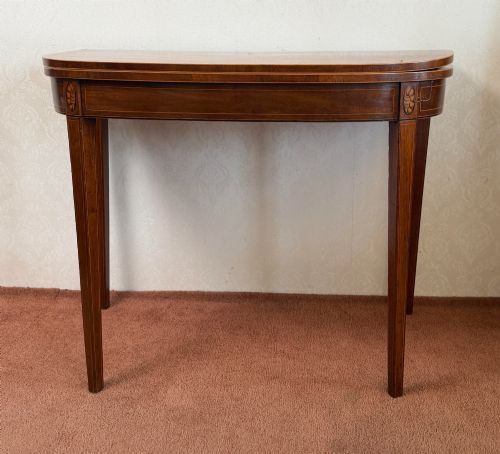
The aesthetic relies heavily on the design vocabulary associated with the late Georgian era, characterised by slender tapering legs, geometric proportions, and classical restraint. Mahogany and satinwood predominate, frequently enhanced by contrasting inlay work that defines the edges and panels.
Materials and construction
Cabinet makers utilised solid mahogany and dense tropical hardwoods for structural integrity, often selecting highly figured timber for table tops to create visual depth. Surfaces were then enriched with delicate veneers of satinwood, rosewood, and harewood.
Inlay and stringing formed a central part of the technique, incorporating boxwood and brass elements into geometric and neo-classical motifs. Drop leaves, folding mechanisms, and drawer linings required precise carpentry to ensure smooth operation alongside the decorative exterior.
Sheraton Period Side Table Retail Price Guide 2026
Typical asking prices for sheraton period side table among the pieces listed under this phrase on Sellingantiques today, from the lower quarter to the upper quarter. They describe what is for sale here now, not the wider market.
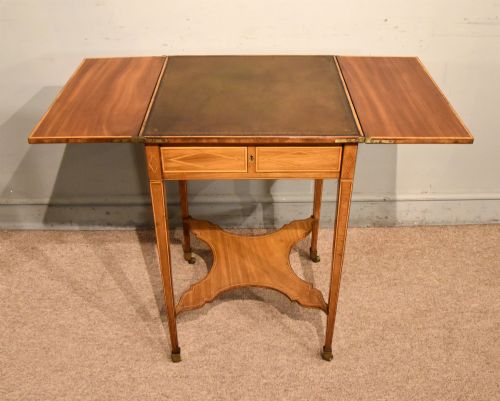
Several tables feature drop leaves intended originally for quiet evenings of sewing or card games.
Distinctions in craftsmanship
Quality separates pieces by the crispness of the inlay and the selection of the timber grain on primary surfaces. Superior examples demonstrate meticulous attention to secondary woods used inside drawer boxes and beneath table tops.
Proportion and the handling of curved elements, such as serpentine fronts or demi-lune radiuses, dictate the refinement of the piece. Subtle details in the tapering of legs and the integration of brass fittings indicate the hand of a more accomplished workshop.
The Sheraton Period Side Table Glossary
- Demi-lune
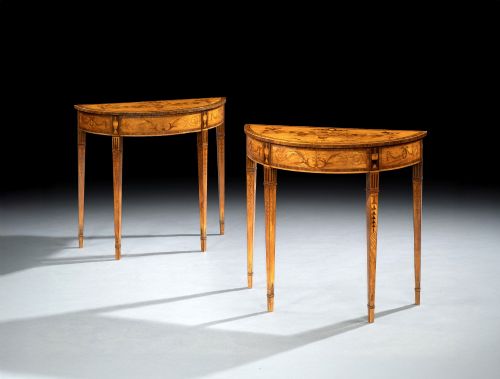
- Half-moon shape, commonly utilised for console and side tables designed to stand flat against a wall.
- Satinwood
- A pale, lustrous timber imported from the tropics, favoured for veneers and contrasting inlay work.
- Pembroke table
- A small table featuring two hinged drop leaves and typically one or two drawers.
- Stringing
- Thin lines of contrasting wood inlay used to outline panels, drawers, and table edges.
- Bow front
- A convex curved front elevation frequently seen on servers and side pieces from the period.
Sheraton Period Side Table: Frequently Asked Questions
How do I identify a genuine period piece?
Examine the timber species, construction methods of the drawer linings, and the wear patterns on internal surfaces. Eighteenth-century pieces exhibit hand-cut dovetails and timber movement consistent with age.
Compare the secondary woods beneath the table with the primary veneers to verify the period of manufacture against known construction standards.
Where should I place a side table?
These tables suit hallways, drawing rooms, or living spaces where surface area is required without heavy visual bulk. Demi-lune versions fit neatly against plain walls.
Keep the timber away from direct heat sources and strong sunlight to protect delicate satinwood veneers and polished mahogany finishes.
What is the difference between Georgian and Edwardian sheraton styles?
Georgian pieces date from the late eighteenth century and carry original period construction methods and patination. Edwardian revivals date from around nineteen-ten and utilise turn-of-the-century manufacturing techniques.
Both follow the same neoclassical design vocabulary, but the later revival items often display machine-sawn elements and slightly different interior timber selections.
How do I care for antique timber surfaces?
Apply traditional beeswax sparingly and buff gently with a soft cloth to maintain the polish without building up residue. Avoid modern silicone sprays that can penetrate the grain.
Maintain stable room humidity to prevent timber shrinkage or the lifting of delicate boxwood and satinwood stringing.