


Neoclassical Games Table
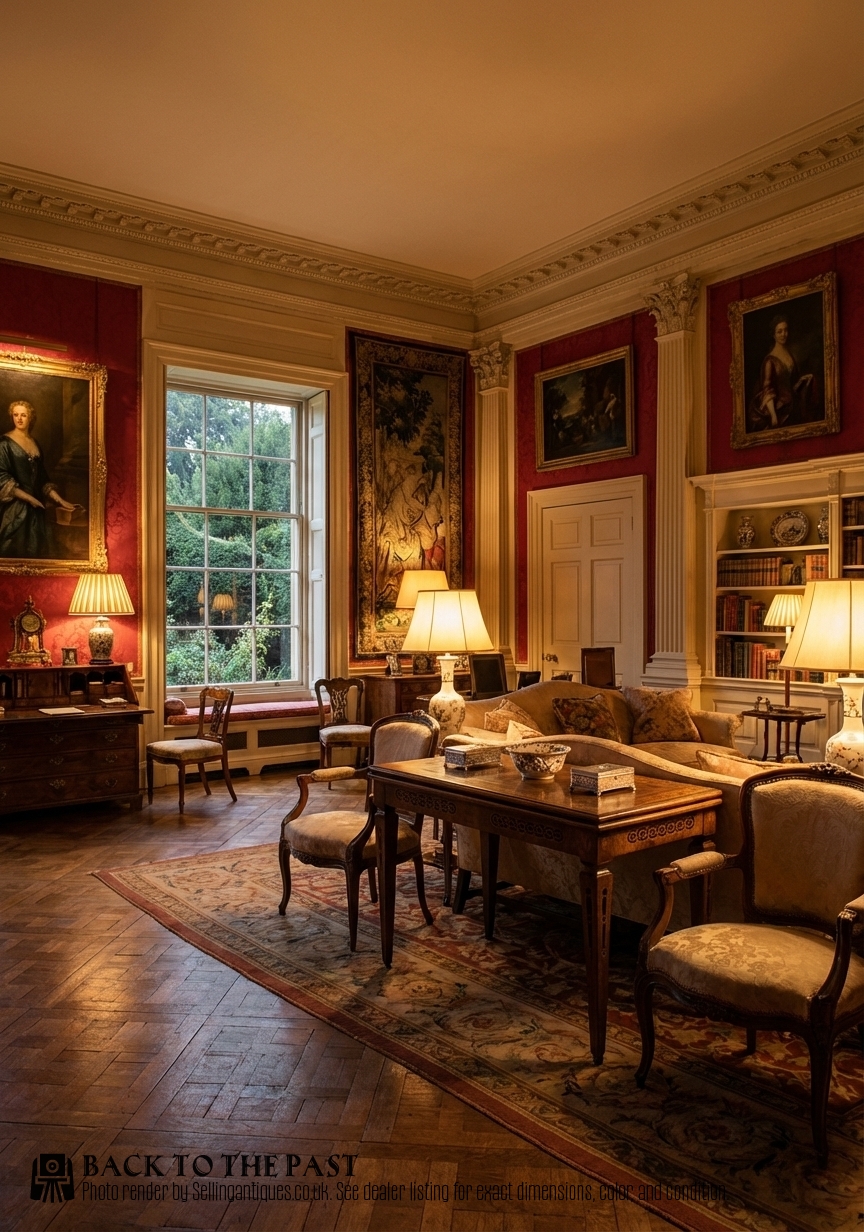
A neoclassical games table brings understated geometry and refined timber work into a room, offering a versatile surface for play.
What They Are
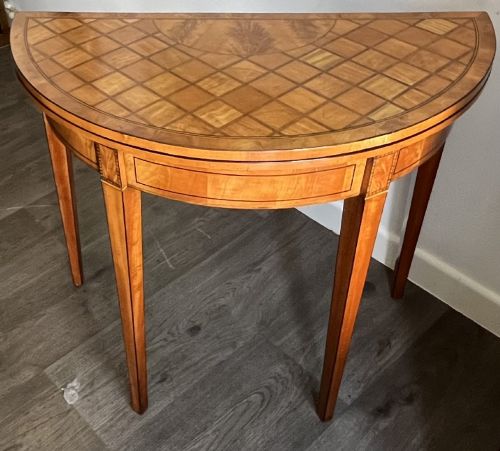
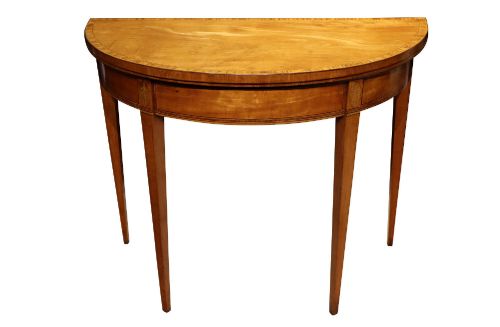
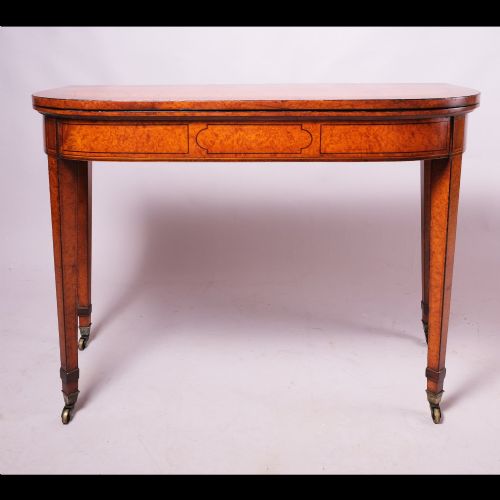
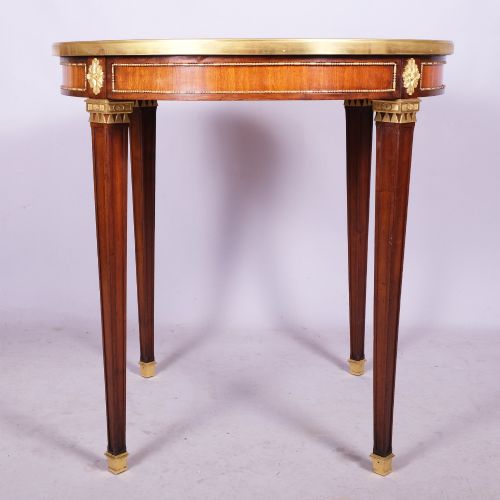
A neoclassical games table is a multifunctional piece designed for card playing or general board games, transforming into a console or tea surface when closed. The examples on this page span the eighteenth century, the Georgian era, and nineteen thirty, covering both English cabinet work and Italian craftsmanship.
Most entries take the form of card tables and tea tables with fold-over tops. Formats range from George III styles and Sheraton designs to specific neoclassical Italian interpretations, showing how eighteenth century makers balanced practicality with classical proportion.
How They Were Made
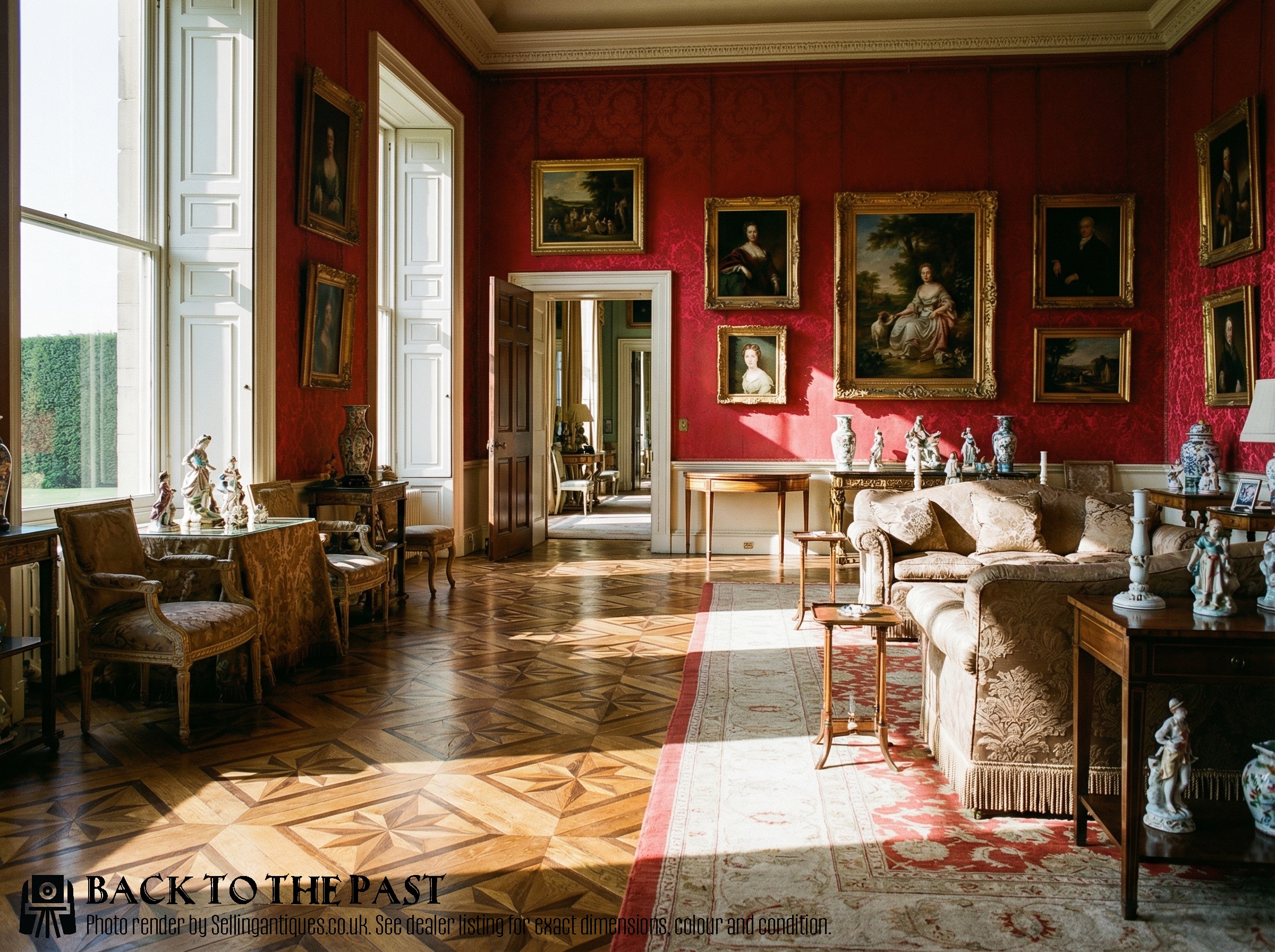
Cabinet makers utilised a rich palette of timbers, including satinwood, boxwood, walnut, rosewood, ebony, fruitwood, and amboyna. These woods were often arranged in contrasting veneers and banded with geometric borders.
Inlay and marquetry feature prominently across the pieces, alongside fine brass hardware. Cross-banding in satinwood and delicate boxwood stringing define the surfaces, demonstrating careful hand carpentry.
Retail Price Guide 2026
Typical UK retail prices for neoclassical games table, calculated from the Sellingantiques database of over a million retail prices indexed since 2003. This retail price guide relies exclusively on Sellingantiques data; no external sources or auction records are used, so the figures do not describe the wider market.
Materials recorded across the inventory include satinwood, boxwood, walnut, rosewood, ebony, fruitwood, amboyna, and brass.
What Varies in Quality
Quality rests in the precision of the timber selection and the complexity of the marquetry inlay. Pieces featuring multiple contrasting woods like amboyna, rosewood, and ebony demand a higher level of joiner skill.
The integration of the fold-over mechanism and the crispness of the classical details separate standard workshop production from finer examples. The handling of George III proportions and Italian neoclassical motifs dictates the visual success of each piece.
The Neoclassical Games Table Glossary
- Cross-banding
- A strip of veneer applied to the edge of a table top so that the grain runs perpendicular to the main surface, creating a framed border. This technique enhances the visual depth of satinwood and rosewood tops.
- Marquetry
- The art of forming decorative patterns using fitted pieces of various coloured veneers. Eighteenth century makers used this to build classical motifs into games tables.
- Fold-over top
- A hinged table top that opens to double the surface area for card games. It rests on a swing leg or a gateleg framework concealed within the apron.
- Amboyna
- A highly prized burl timber with a dense, mottled grain pattern. It provides rich texture on late eighteenth century tea tables.
Frequently Asked Questions
How do I use a neoclassical games table today?
These tables function well as console tables against a wall when folded shut. Opening the top reveals a baize or polished wood surface suitable for drinks or occasional use.
Positioning them away from direct heat sources protects the antique veneers and internal wooden hinges from warping.
How do I identify a George III piece?
George III pieces reflect the prevailing neoclassical taste of the late eighteenth century, featuring straight tapered legs and symmetrical timber banding. Look for Sheraton influences and restrained classical stringing.
The use of satinwood, rosewood, and mahogany points directly to this period.
Are these tables sturdy enough for daily use?
While structurally sound, antique fold-over mechanisms require gentle handling when opening and closing. The swing leg supports the weight of the unfolded top rather than heavy downward pressure.
Treating the polished timber surfaces with care preserves the eighteenth century veneers.