



Scientific Weather Instrument
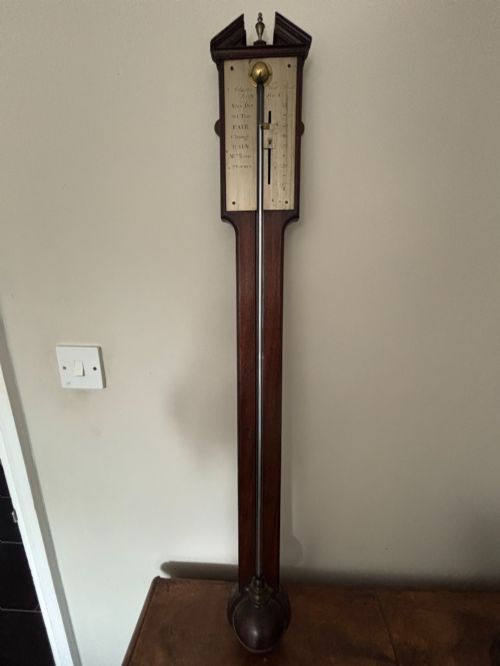
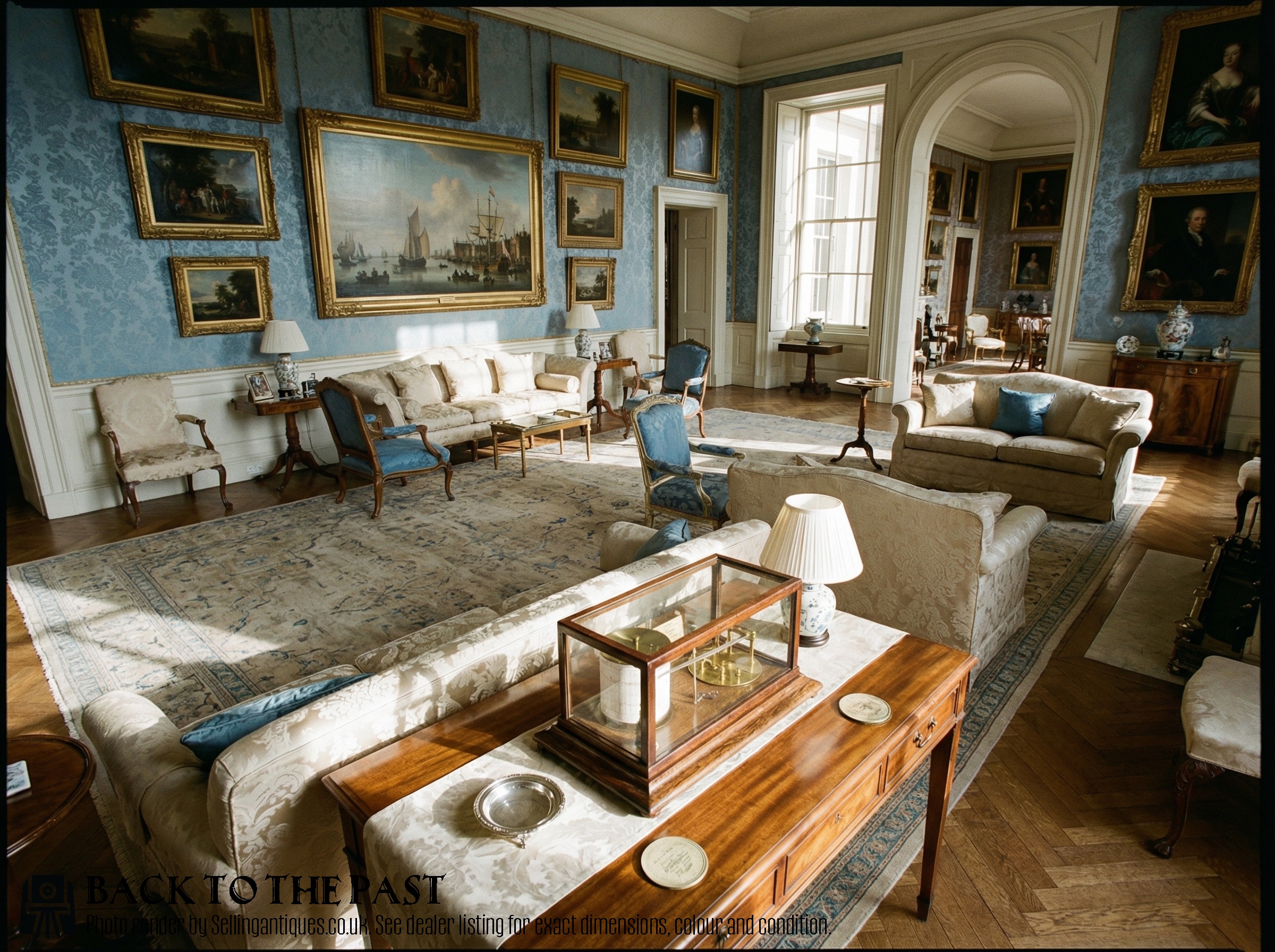
When you handle a scientific weather instrument, you hold the brass, mahogany and glass apparatus that helped people measure atmospheric change long before digital forecasts.
Scientific Weather Instrument
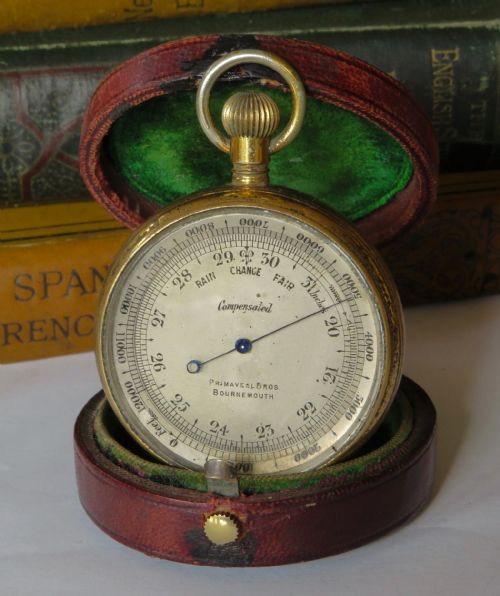
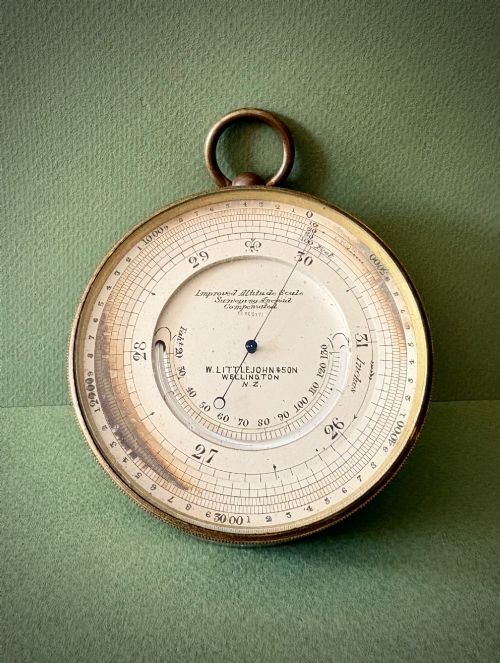
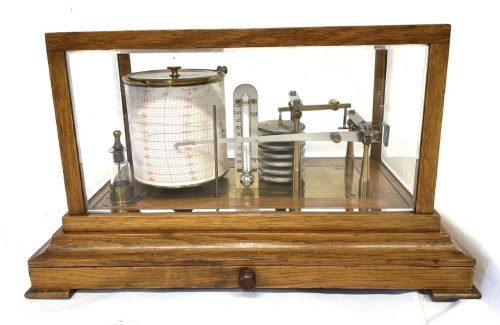
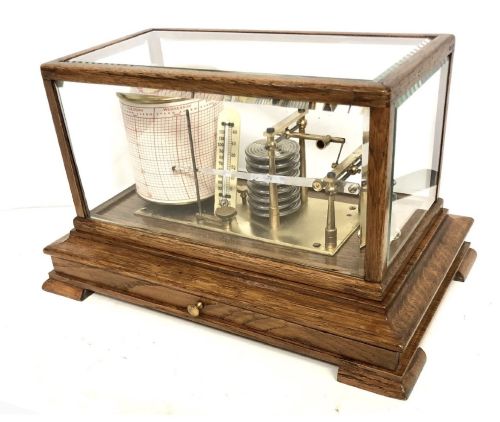
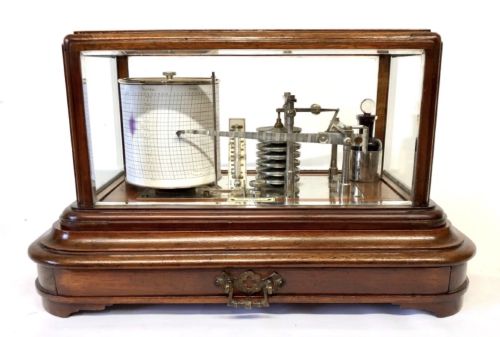
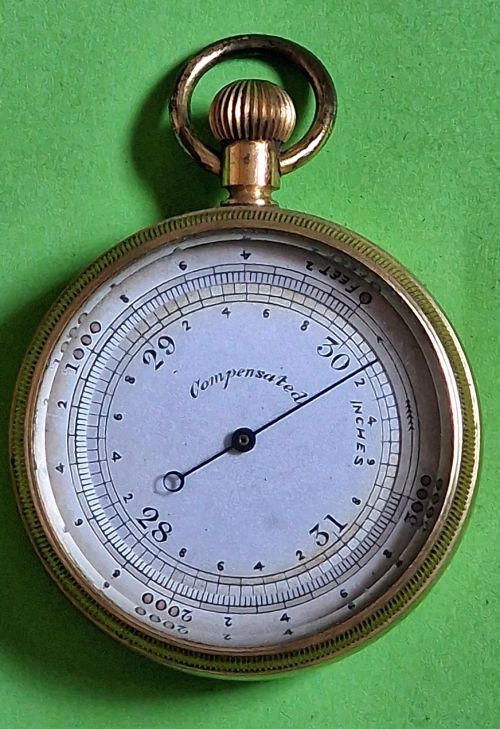
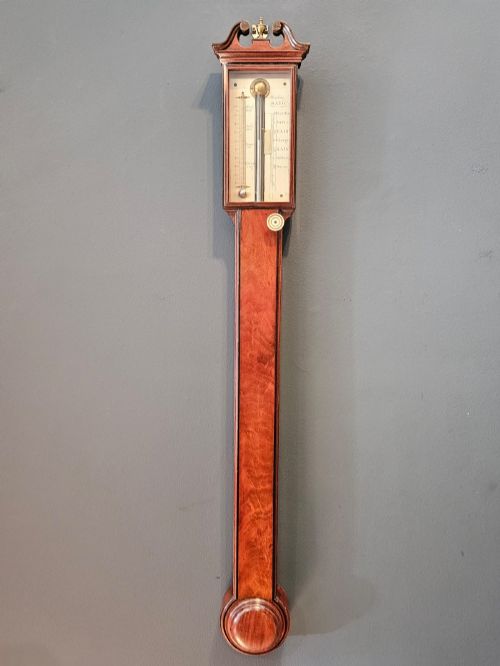
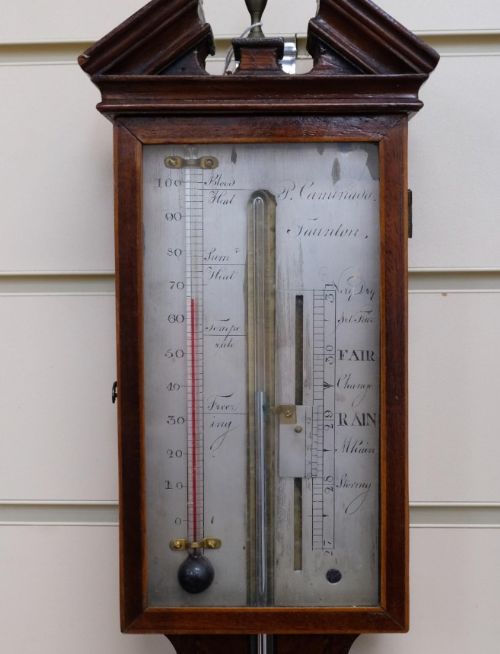
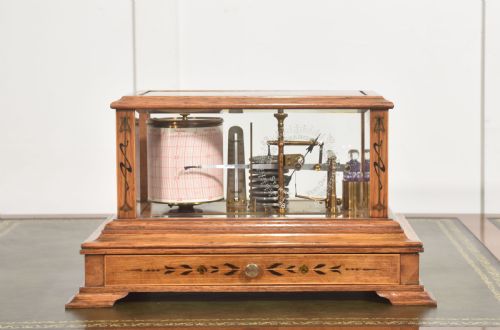
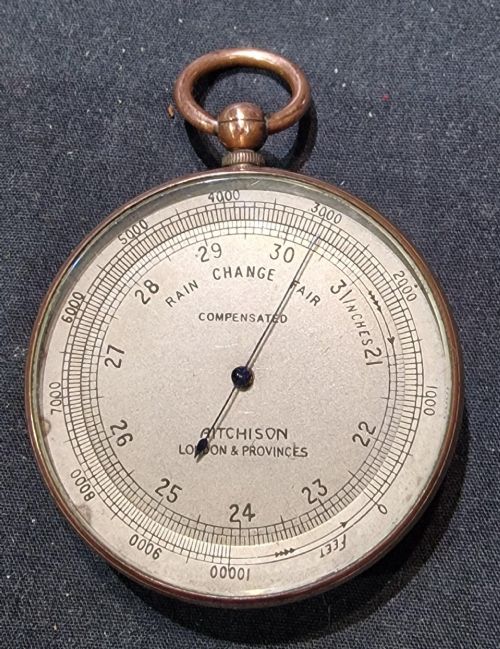
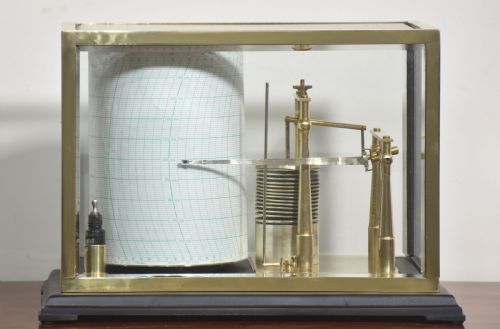
A scientific weather instrument covers the practical apparatus used to measure pressure, humidity, wind and barometric changes across several centuries. The most common examples on this page are stick barometers, pocket barometers and recording barographs housed in timber cases.
The material record spans Georgian, Regency and Victorian eras through to the early twentieth century. Makers housed sensitive metal and glass movements in mahogany, oak, rosewood and brass.
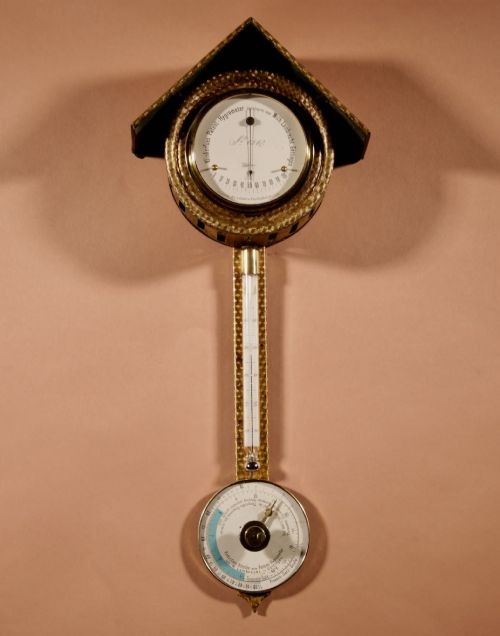
Forms range from wall-mounted stick barometers and wheel barometers to desktop barographs with chart drawers and portable pocket barometers designed for travellers and altitude work.
Construction and Materials
Cases rely on seasoned hardwoods such as mahogany, oak and rosewood, often featuring bevelled glass panels to protect the delicate mechanical dials and paper chart drums inside.
Internal components combine brass, steel and glass, utilising mercury columns in traditional stick barometers and aneroid metal capsules in later barographs and pocket instruments.
Scientific Weather Instrument Retail Price Guide 2026
Typical asking prices for scientific weather instrument among the pieces listed under this phrase on Sellingantiques today, from the lower quarter to the upper quarter. They describe what is for sale here now, not the wider market.
Some instruments recorded weather specifically for Southend railway interests, proving that even Victorian commuters checked the barometric pressure before catching the train.
Evaluating Quality
Quality rests in the precision of the maker's engraving on brass scales, the crispness of the timber cabinetry and whether signed dials match the recorded provenance.
Better examples retain original bevelled glass, intact mercury or responsive aneroid movements, and legible paper charts or vernier scales.
Negretti & Zambra·Short & Mason·George Adams·Wilh. Lambrecht·Poulenc Freres·C F Casella·J Hicks·Primavesi·Gaupp & Co·P. Caminada·Aitchison·Blunt·G & L Guanziroli
The Scientific Weather Instrument Glossary
- Barograph
- A self-recording aneroid barometer that traces atmospheric pressure onto a rotating paper chart using a clockwork drum. This mechanical apparatus provides a continuous visual history of weather shifts.
- Stick Barometer
- A vertical instrument utilising a mercury-filled glass tube mounted on a timber board to measure atmospheric pressure. These tall instruments often feature exposed scales and open cistern covers.
- Aneroid Barometer
- A barometer that measures pressure using a flexible metal box called an aneroid cell, which expands or contracts without the use of liquid mercury. This design allowed for portable pocket instruments and desk barographs.
- Hygrometer
- An instrument designed for measuring the humidity or moisture content in the air. Examples in the record include hair hygrometers that use tensioned animal hair to register atmospheric moisture.
- Altimeter
- A specialised barometric instrument calibrated to measure altitude above sea level based on changing air pressure. These were utilised by early balloonists and travellers.
Scientific Weather Instrument: Frequently Asked Questions
How do I read a stick barometer?
Read the height of the mercury column against the engraved scale, using the sliding vernier to measure fractions of an inch or millimetres.
Changes in the height indicate rising or falling atmospheric pressure, pointing toward changing weather conditions.
What is the difference between a barometer and a barograph?
A standard barometer shows only the current air pressure at the moment you look at the dial or mercury column.
A barograph adds a clockwork mechanism and a drum holding a paper chart to record pressure changes continuously over a week.
How do I care for an antique weather instrument?
Keep wooden cases away from direct heat sources and sudden humidity shifts to protect the timber and internal joinery.
Handle pocket barometers with care and avoid moving mercury stick barometers without locking the cistern to prevent damage to the glass tube.
Are these antique instruments still accurate?
Many mechanical aneroid barometers and mercury stick instruments can still show current pressure when properly calibrated against local readings.
Their primary appeal lies in their historical engineering and craftsmanship rather than modern forecasting utility.