


Recording Barometer
A recording barometer traces the pressure of the air onto paper, giving you a physical history of the weather.
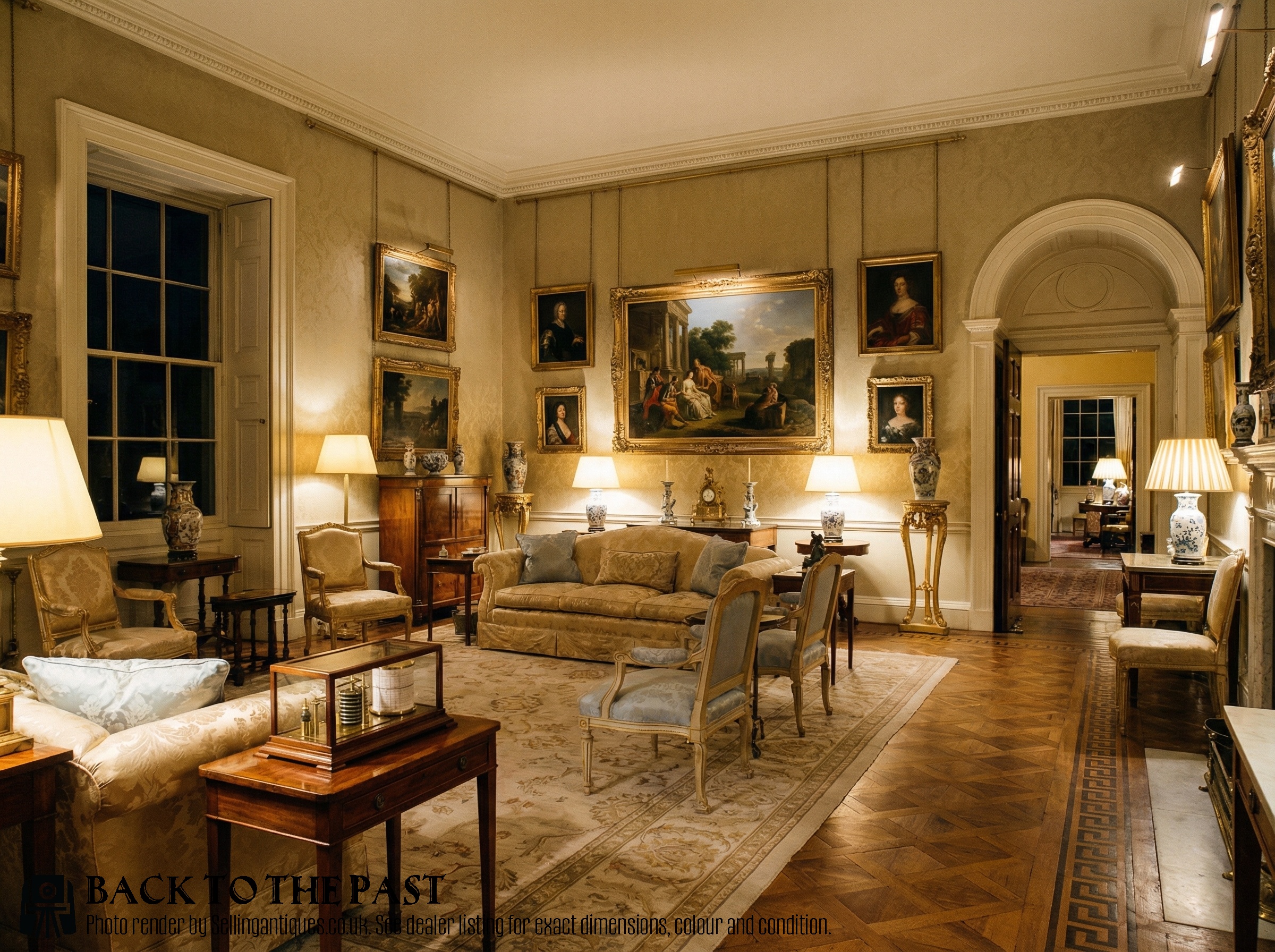
Recording Barometer
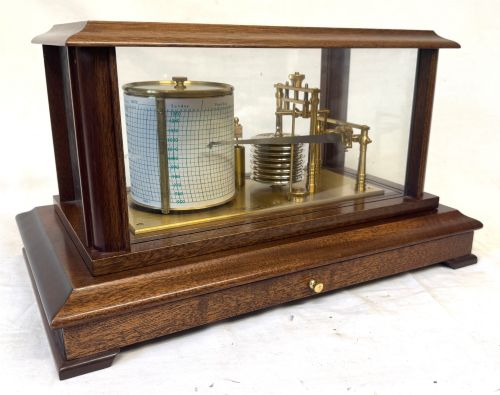
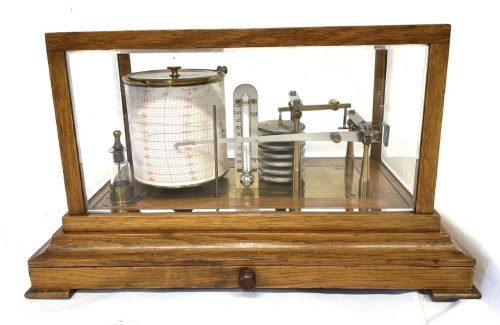
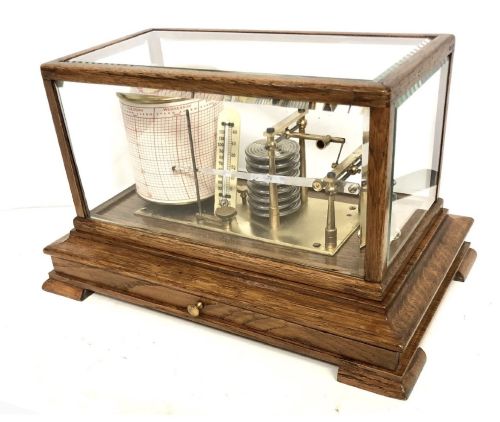
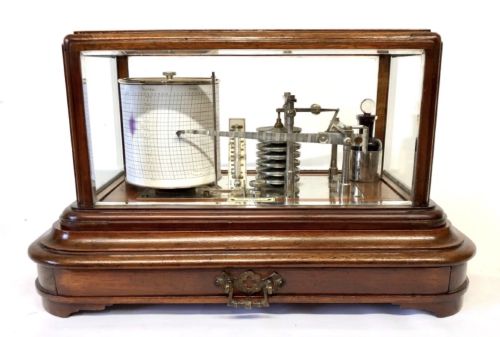
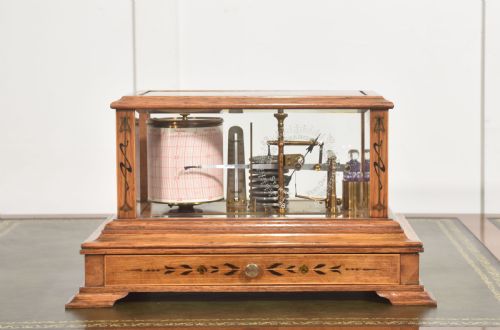
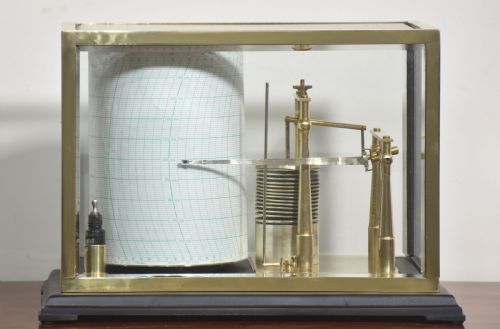
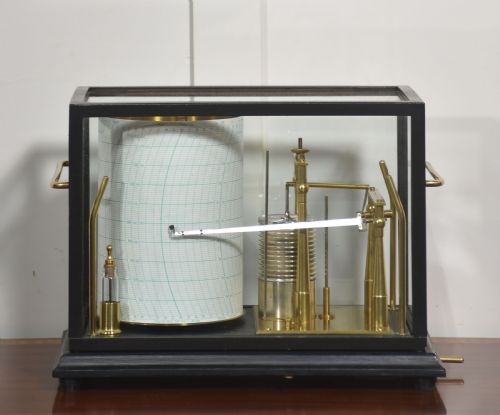
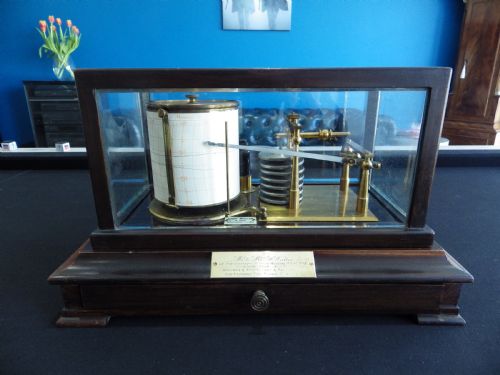
When you search for a recording barometer, you are looking at barographs and self-recording weather stations housed in wooden cases with glass panels. These instruments trace atmospheric pressure continuously onto paper charts using a drum mechanism.
The versions you are most likely to meet on this page originate from the Victorian, Edwardian, and interwar periods, running through the mid-twentieth century. Most examples combine brass movements with mahogany or oak enclosures, often incorporating chart drawers and thermometers.
Makers such as Short & Mason and Negretti & Zambra appear frequently among the pieces recorded here. Alongside standard table models, you will find variants featuring barometer dials or specialised recording equipment like tipping bucket rain gauges.
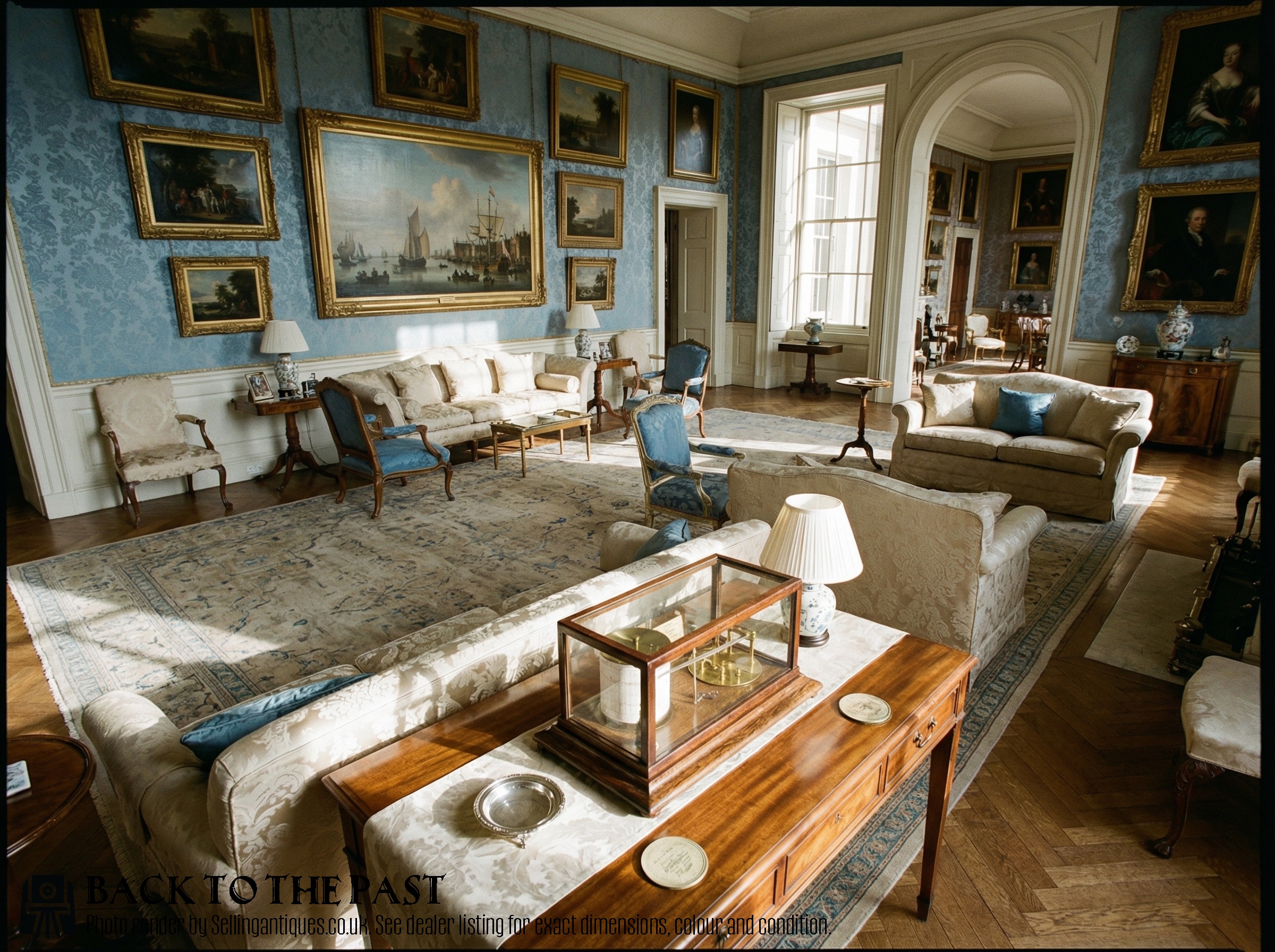
How they were made
Maker workshops built these instruments using brass for the delicate mechanical movements and stack of aneroid diaphragms that respond to barometric pressure. Steel components govern the clockwork drums, while paper charts receive the ink trace from an arm.
Enclosures rely on seasoned timber, primarily mahogany, oak, and walnut, shaped to house the mechanism beneath five glass panels that protect the movement from drafts. Brass carrying handles, hinges, and bevelled glass complete the heavy wooden cases.
Recording Barometer Retail Price Guide 2026
Typical asking prices for recording barometer among the pieces listed under this phrase on Sellingantiques today, from the lower quarter to the upper quarter. They describe what is for sale here now, not the wider market.
What varies in quality
Quality rests in the precision of the clockwork movement and the reputation of the maker inscribed on the bedplate or paper scale. Workshops like Negretti & Zambra or Short & Mason maintained rigorous mechanical standards that distinguish their instruments from unmarked production.
Cabinetwork creates a further distinction, where finely fitted solid mahogany or oak cases with bevelled glass and integrated chart drawers outlast simpler utility boxes. The presence of original paperwork and specialised movements adds depth to an individual piece.
Short And Mason·Negretti And Zambra·Antoine Redier·Jules Richard·Callaghan And Co
The Recording Barometer Glossary
- Barograph
- A self-registering barometer that records atmospheric pressure graphically on a rotating drum. This instrument uses a series of metal vacuum capsules connected to an inked pen arm.
- Aneroid
- Operating without liquid by utilising expanding and contracting metal chambers. These capsules react to changes in atmospheric pressure and drive the recording arm.
- Chart drawer
- A small compartment built into the base of the wooden case to store spare recording paper. This drawer keeps replacement weekly charts clean and close at hand.
- Bevelled glass
- Glass panes with angled edges fitted into the wooden frame of the case. This detail allows a clear view of the working movement from multiple angles.
Recording Barometer: Frequently Asked Questions
How does a recording barometer work?
A stack of sealed metal vacuum chambers expands and contracts as air pressure rises and falls. This movement transfers through a series of levers to an arm holding an ink nib.
The nib rests against a paper chart secured around a clockwork drum that rotates once every week. As the drum turns, the pen draws a continuous line showing the exact pressure trend over time.
How do I change the paper chart?
You lift the hinged brass arm gently off the paper so the ink nib avoids damage. The clockwork drum lifts out or releases its clip, allowing you to slide off the old weekly sheet.
A fresh chart wraps around the cylinder, aligning with the correct day and time lines before you secure it and lower the pen back onto the paper.
Where should I place my barograph?
Position the instrument on a stable, level surface away from direct sunlight, radiators, and exterior draughts that cause false pressure readings. A sideboard or desk in a main room protects the delicate mechanism from rapid temperature shifts.
Avoid high-humidity areas like kitchens, as moisture can warp the wooden case and affect the paper charts stored inside the base drawer.
How do I date an antique barograph?
Examine the style of the wooden case, lettering on the metal bedplate, and the shape of the hardware to determine the period. Oak cases with heavy moulding often point to the Victorian era, while inlaid mahogany styles indicate Edwardian manufacture.
Maker signatures and patent dates engraved on the brass movement provide a reliable window into when the instrument left the workshop.