
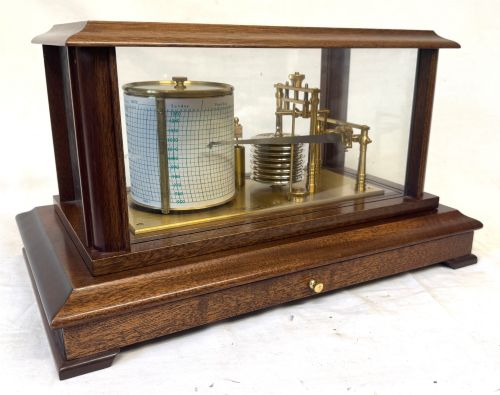
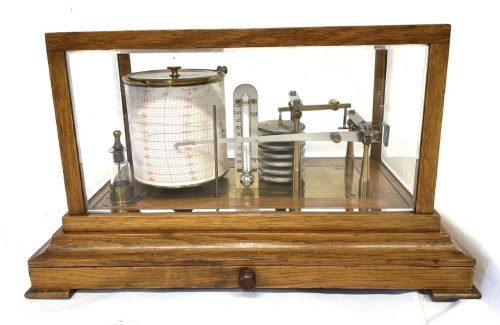
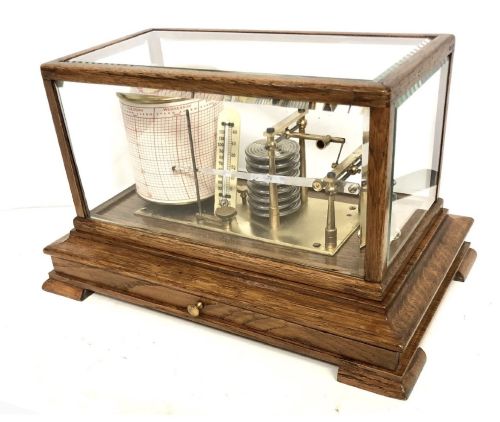
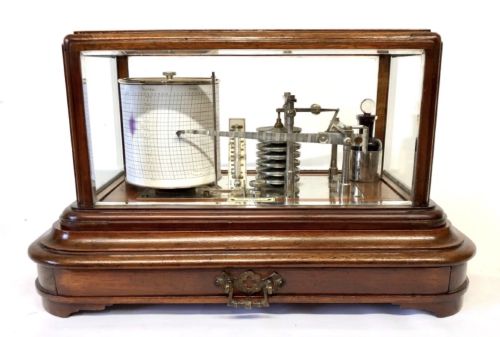


Chart Recording Barometer
A chart recording barometer records atmospheric pressure continuously on paper, offering both scientific utility and striking period presence.
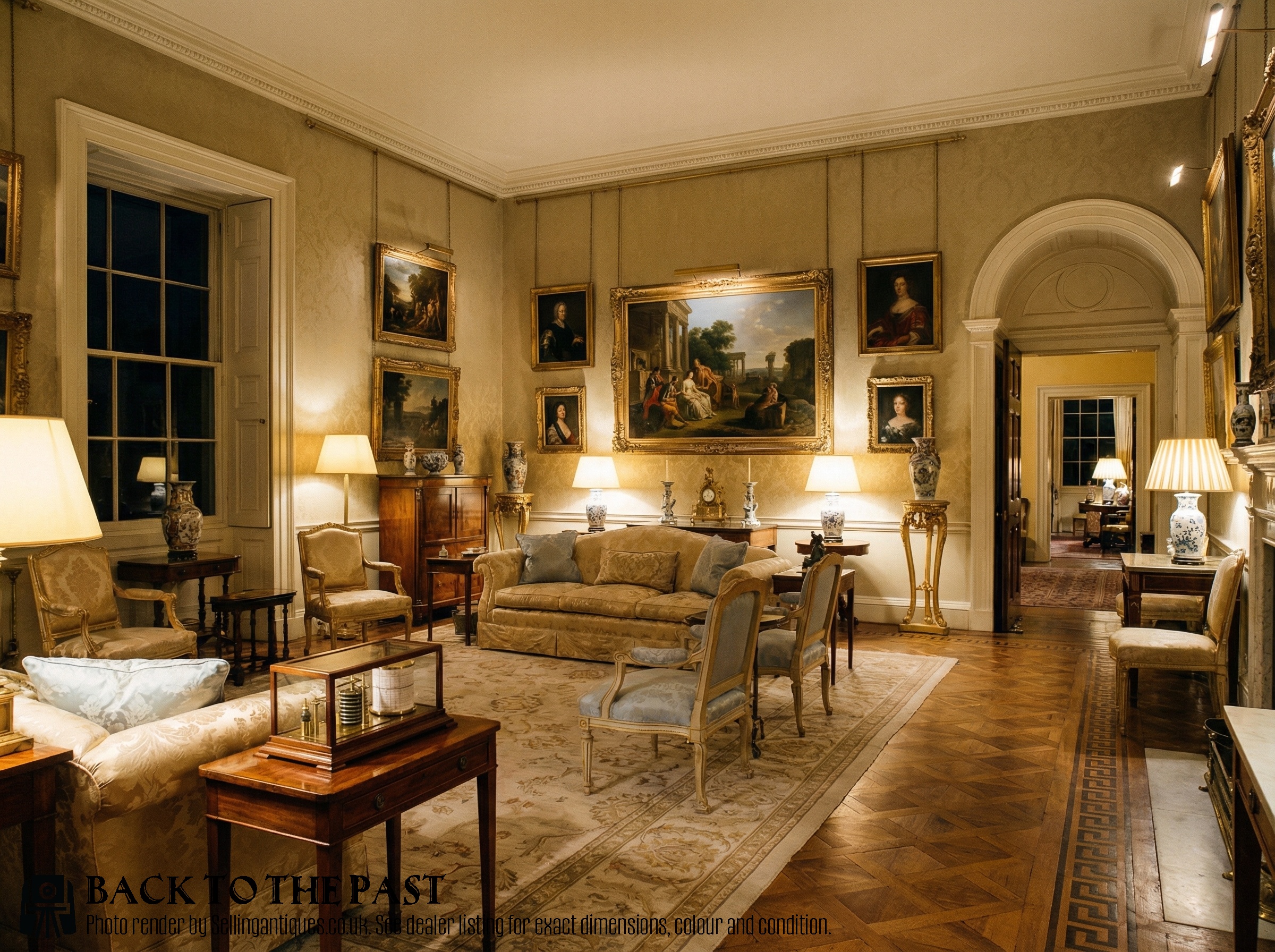
What a chart recording barometer is
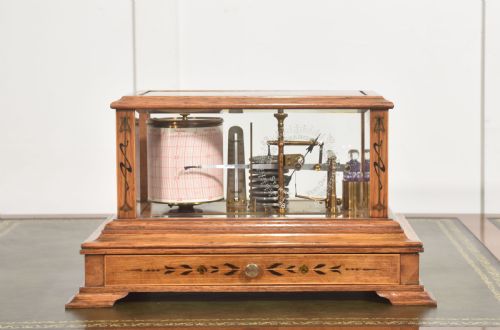
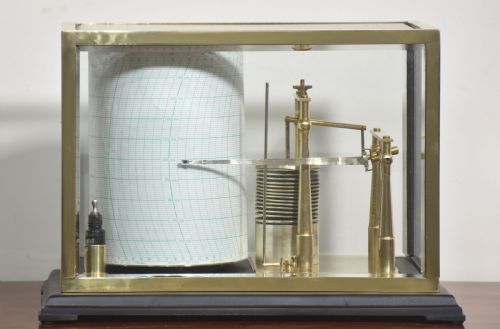
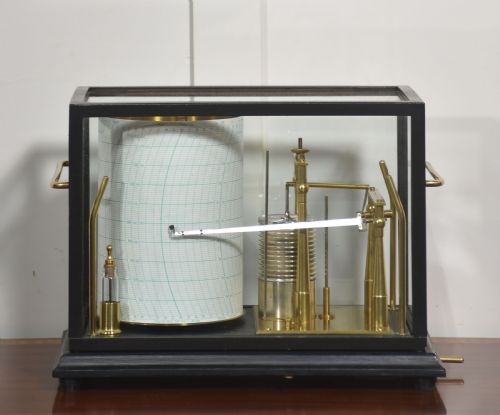
A chart recording barometer, commonly known as a barograph, houses a drum mechanism that rotates to trace weather patterns over a week. These instruments combine mechanical precision with handsome timber casing, sitting comfortably on a desk or mounted on a wall.
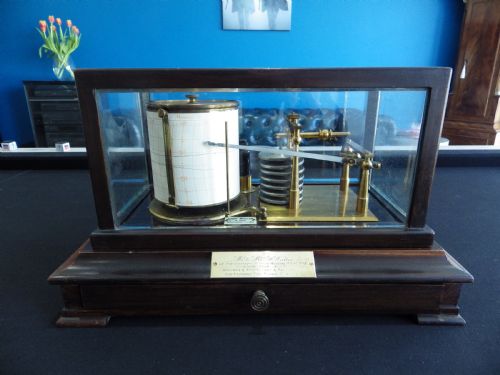
The versions encountered on this page span the Victorian, Edwardian, and early twentieth-century periods. Mahogany and oak predominate, often featuring glass panels that reveal the brass levers and inked arm at work.
Makers such as Negretti & Zambra, Short & Mason, and regional retailers like Gaupp & Co of Hongkong and Singapore supplied these instruments. Some examples incorporate auxiliary thermometers or barometer dials within the cabinet.
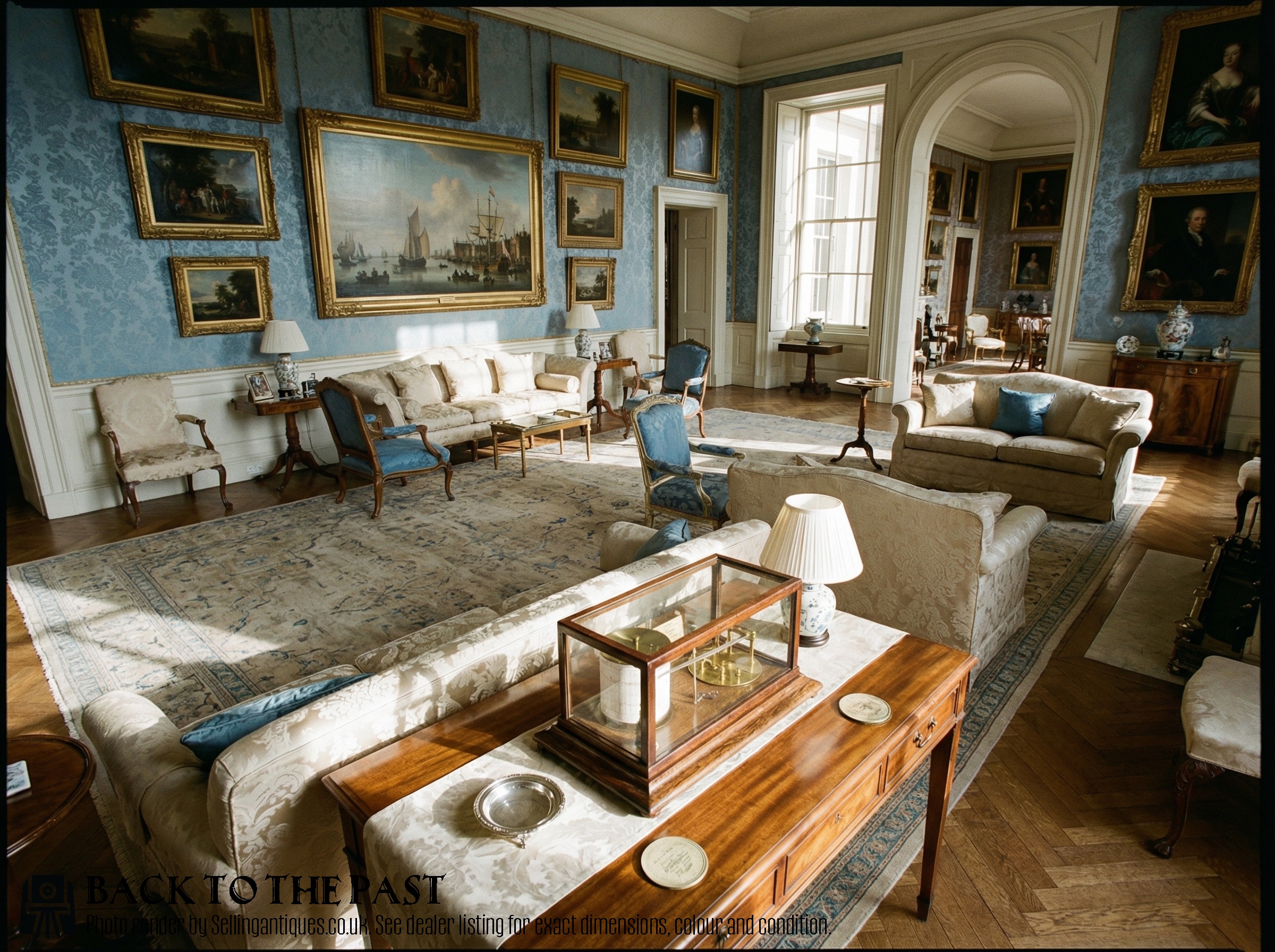
How they were made
Cases utilise solid mahogany or oak, sometimes embellished with Art Nouveau inlay or fitted with storage drawers beneath the mechanism. Glazed five-glass covers protect the sensitive internal bellows while allowing an unobstructed view of the recording drum.
Internal movements rely on brass gears and steel springs connected to stacked vacuum chambers that expand and contract with atmospheric changes. An inked nib attached to the arm presses onto a rotating paper chart driven by a clockwork cylinder.
Retail Price Guide 2026
Typical UK retail prices for chart recording barometer, calculated from the Sellingantiques database of over a million retail prices indexed since 2003. This retail price guide relies exclusively on Sellingantiques data; no external sources or auction records are used, so the figures do not describe the wider market.
Some models recorded atmospheric pressure in distant ports like Singapore while keeping time for colonial administrators.
What varies in quality
Quality rests in the crispness of the timber cabinet work, the refinement of the brass casting, and the reputation of the maker inscribed on the bedplate. Examples bearing signatures from established scientific instrument makers command greater interest than unsigned variants.
The integrity of the clockwork mechanism and the retention of original glass panels dictate the overall desirability of the piece. Subtle decorative choices, such as period inlay or fitted thermometer scales, separate standard utilitarian instruments from more ambitious examples.
Gaupp & Co·Hezzanith·Short & Mason·Robson of Newcastle·Negretti & Zambra
The Chart Recording Barometer Glossary
- Barograph
- A recording barometer that traces atmospheric pressure onto a graduated paper chart over a set period, usually seven days. This mechanical instrument removes the need for manual readings.
- Bellows
- The stacked metallic chambers inside the instrument that expand or contract in response to barometrical pressure changes. These movements drive the inked arm across the rotating drum.
- Clockwork
- The spring-driven mechanism housed within the rotating brass cylinder that turns the chart at a regulated speed. It requires periodic winding to maintain continuous operation.
- Five-glass
- A cabinet construction where the top and all four sides utilise glass panels held in a wooden or metal frame. This design maximises visibility of the internal mechanics.
Frequently Asked Questions
How do I wind the clockwork drum?
The brass drum contains a spring-driven clockwork movement that requires gentle winding using an appropriate key inserted into the top or face of the cylinder. Care must be taken not to overwind the mechanism.
Once wound, the drum rotates at a steady rate to ensure the paper chart records pressure accurately over the course of a week.
Where should I place a barograph?
These instruments prefer stable indoor locations away from direct sunlight, radiators, and heavy vibrations that might interfere with the delicate internal bellows and clockwork.
A sturdy desk, table, or sideboard allows the mechanism to function correctly while offering a clear view of the rotating drum and inked arm.
How do I date these instruments?
Dating relies on stylistic clues such as the presence of Edwardian or Art Nouveau inlay on the timber case, alongside maker signatures engraved on the brass bedplate. Patent dates and registration numbers stamped onto the metalwork also help establish an approximate period.
Construction details, including the type of wood used and the style of the glass panels, further assist in narrowing down the decade of manufacture.
What maintenance do they need?
Routine upkeep involves replacing the paper chart weekly and occasionally replenishing the specialised ink in the recording nib to ensure a clear trace line. The brass and glass exterior benefits from gentle dusting with a soft cloth.
Internal clockwork and mechanical repairs are best left to specialist horologists who understand vintage scientific instruments.