


Antique Barograph Barometer
An antique barograph barometer records atmospheric pressure on paper charts beneath bevelled glass, combining precision mechanics with handsome period cabinetry.
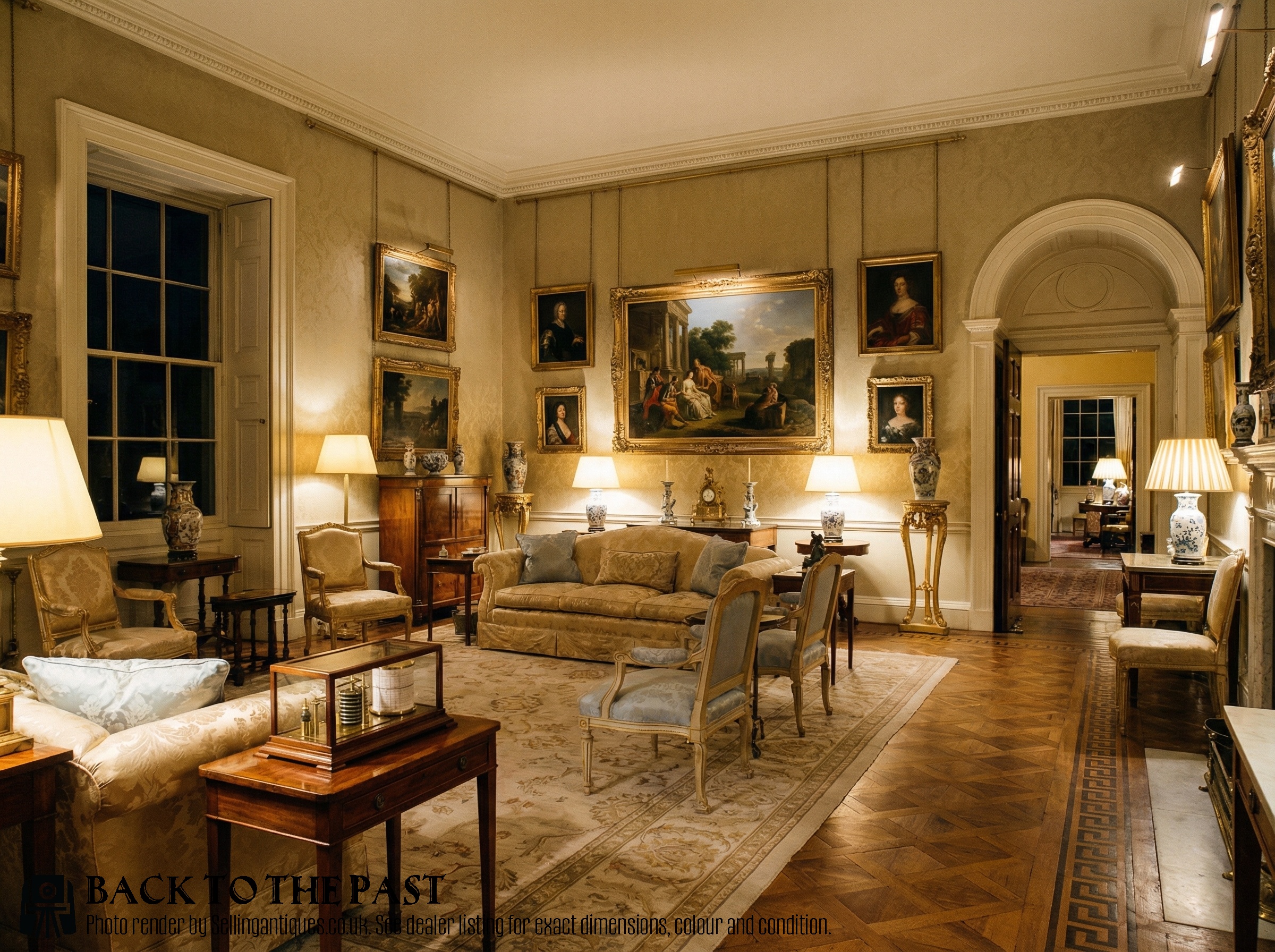
Antique Barograph Barometer
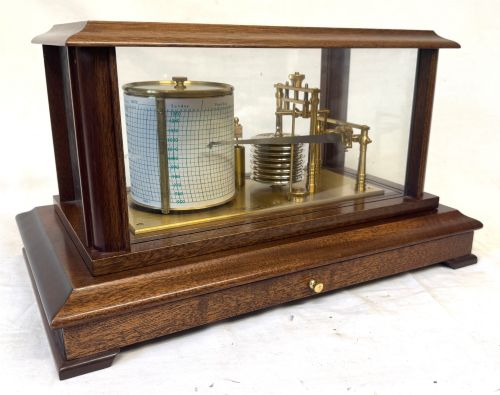
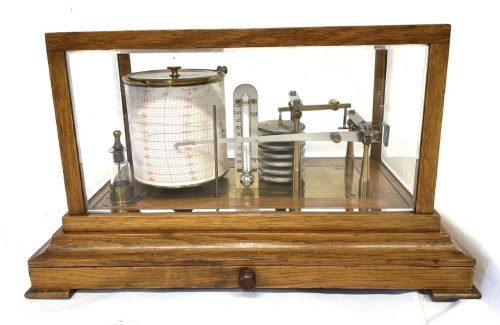
An antique barograph barometer is a mechanical weather recording instrument housed in a wooden case with glass panels. These pieces trace atmospheric pressure over a weekly period onto a revolving drum.
The versions most commonly met on this page span the Victorian, Edwardian, and interwar periods. They range from utilitarian scientific instruments to refined domestic pieces incorporating thermometers and barometer dials.
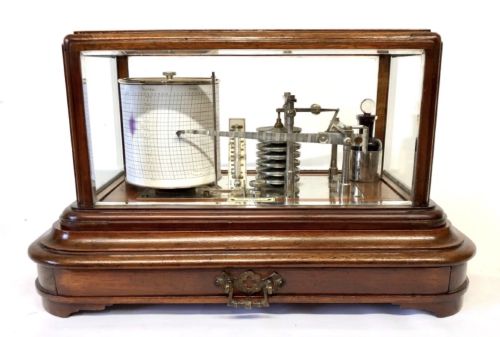
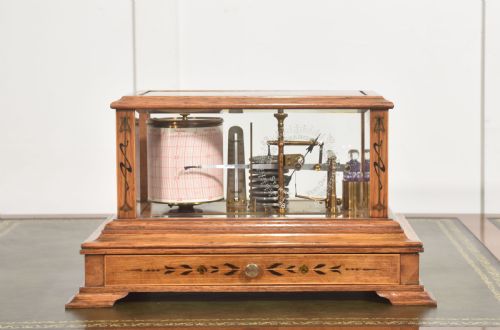
Makers housed these sensitive movements in mahogany, oak, and walnut cabinetry, often featuring chart drawers beneath the main chamber. The combination of brass mechanisms and timber enclosures makes them striking desktop or mantel objects.
Materials and construction methods
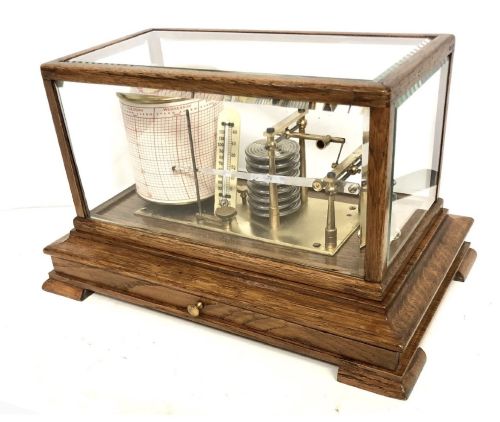
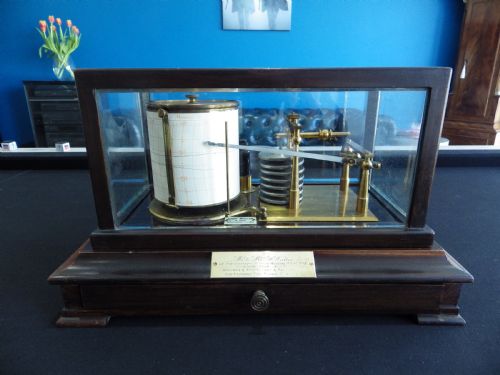
Maker workshops constructed the primary cases using solid timbers such as mahogany, oak, and walnut, frequently fitted with bevelled glass to allow a clear view of the movement. Brass and steel formed the complex internal linkage systems and recording drums.
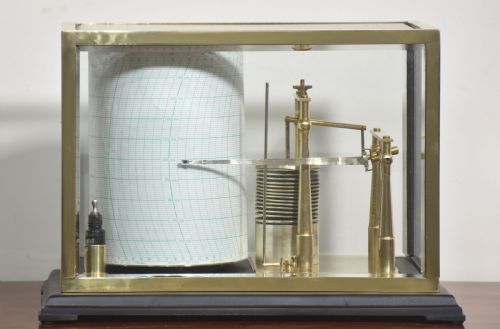
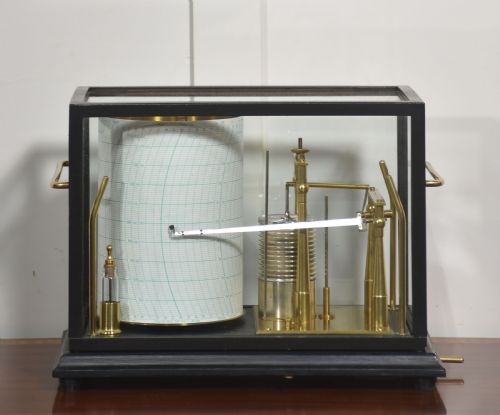
The mechanical heart relies on stacked metal vacuum chambers that expand and contract with barometric pressure changes. This movement transfers through levers to an inked arm that marks paper charts.
Cabinet makers integrated practical details like chart drawers in the base to hold supplies of weekly recording papers. Some models also incorporated secondary weather instruments such as dial barometers or thermometers into the timber housing.
Antique Barograph Barometer Retail Price Guide 2026
Typical asking prices for barograph barometer among the pieces listed under this phrase on Sellingantiques today, from the lower quarter to the upper quarter. They describe what is for sale here now, not the wider market.
Railroad and shipping companies utilised these instruments to log sudden pressure drops before dispatching trains.
Assessing quality and craftsmanship
Quality separates standard production instruments from fine examples through the crispness of the maker's signature engraving and the finish of the brass hardware. Superior makers utilised heavier gauge metals and more refined mechanical linkages.
Cabinetwork distinguishes the range, with better pieces featuring select timber veneers, intricate Art Nouveau inlay work, and accurately mitred joints on five-glass cases. The presence of original paperwork and matching maker details adds significant distinction.
The execution of the timber housing, from plain utility oak to figured mahogany with bevelled glass panes, reflects the original retail destination. Pieces retailed by notable London firms often display superior overall finish.
Short And Mason·Negretti And Zambra·Richard Freres·Casella London·Gaupp And Co
The Antique Barograph Barometer Glossary
- Barograph
- A self-recording aneroid barometer that charts atmospheric pressure over time. It uses a drum rotated by a clockwork mechanism.
- Aneroid
- Operating without liquid by measuring the changes in pressure on a flexible metal box. This mechanism drives the recording arm.
- Bevelled glass
- Glass panes with angled edges fitted into the case corners. This technique enhances the display of the internal brass movement.
- Chart drawer
- A shallow compartment built into the base of the wooden case. It stores spare weekly recording papers and spare ink bottles.
Antique Barograph Barometer: Frequently Asked Questions
How does an antique barograph work?
Stacked metal vacuum chambers expand and contract as atmospheric pressure rises and falls outdoors. This physical movement transfers through levers to a pivoted arm holding an ink nib.
The nib traces a continuous line onto a paper chart wrapped around a clockwork-driven drum that rotates once every week. The resulting graph provides a visual history of local weather patterns.
How do I change the chart paper?
Lift the glass cover and gently secure the recording arm away from the drum using its catch. Release the brass retaining clip on the drum cylinder to slide off the used paper.
Wrap a fresh weekly chart around the drum, aligning the time lines carefully, and secure the edges. Reset the inked nib gently onto the paper before closing the case.
Where should I place a barograph at home?
Position the instrument on a stable, level surface away from direct sunlight, radiators, and exterior doors. Sudden temperature shifts or vibrations can affect the delicate vacuum chambers and clockwork mechanism.
A quiet mantelpiece, desk, or study table provides an ideal environment where the mechanical action can be observed safely.
How do I date an oak or mahogany barograph?
Examine the timber choice, case style, and any maker signatures engraved on the brass bedplate. Victorian examples often feature heavy mahogany construction, while Edwardian pieces frequently utilise lighter oak and bevelled glass.
Interwar and later pieces from the 1920s and 1930s sometimes display simpler case lines or specific retail signatures. Original paper charts left inside the drawer can also confirm a precise year of use.