




Antique Pressure Recorder
An antique pressure recorder is a mechanical scientific instrument that charts atmospheric pressure over time, prized by collectors for its brass gears and rotating drums.
Antique Pressure Recorder
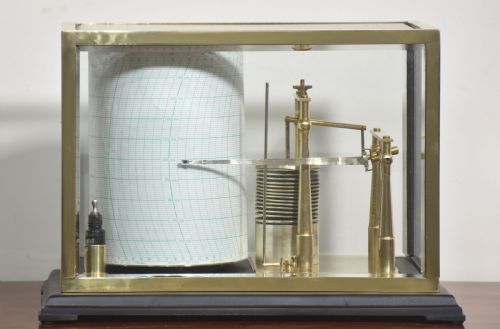
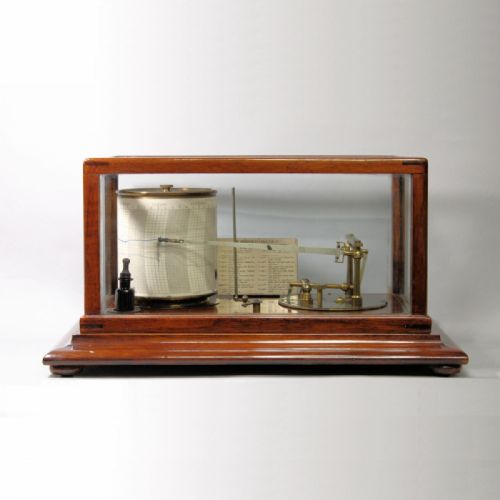
When you search for an antique pressure recorder, you find mechanical recording barometers that register barometric changes onto paper charts. These instruments sit inside glass and timber cases, showing the internal levers and ink arms at work.
The versions you meet on this page date from the Victorian, Edwardian, and early twentieth-century periods. They take the form of barographs housed in mahogany, oak, and walnut cabinets, frequently fitted with a drawer below for storing spare paper charts.
How they were made
Maker workshops built these instruments using heavy brass for the internal mechanisms, linkages, and recording drums. The cabinets utilise polished hardwoods such as mahogany, oak, and walnut, joined with glass panels to protect the movement while keeping it visible.
Many examples incorporate inlaid woodwork details reflecting Edwardian and Art Nouveau styles. The paper charts are mounted on clockwork-driven drums that rotate continuously to trace the pressure line.
Antique Pressure Recorder Retail Price Guide 2026
Typical asking prices for pressure recorder among the pieces listed under this phrase on Sellingantiques today, from the lower quarter to the upper quarter. They describe what is for sale here now, not the wider market.
Listings feature instruments housed in mahogany, oak, and walnut cases with glass panels.
What varies in quality
The distinction between a standard production instrument and a finer example lies in the precision of the brass mechanism and the finish of the timber case. Maker signatures from notable firms indicate higher workshop standards in the assembly of the levers and clockwork.
Cabinet construction also defines the grade of the piece, with multi-panel bevelled glass cases and integrated chart drawers representing the upper tier of production compared to simpler unadorned boxes.
Short And Mason·Casella London·R Fuess·Jules Richard
The Antique Pressure Recorder Glossary
- Barograph
- An antique pressure recorder that records barometric pressure continuously onto a paper chart. It uses an aneroid cell stack connected to an ink-tipped arm.
- Aneroid
- Operating without liquid. These barometers use flexible metal vacuum chambers that expand or contract with changing air pressure.
- Chart drawer
- A small compartment built into the base of the wooden case. It holds spare weekly recording papers and ink bottles.
- Clockwork movement
- The spring-driven mechanism inside the rotating drum. It regulates the speed at which the paper chart turns beneath the recording arm.
Antique Pressure Recorder: Frequently Asked Questions
How does an antique pressure recorder work?
These instruments rely on stacked metal vacuum chambers that expand and contract as air pressure shifts. A system of brass levers transfers this movement to an arm holding an ink nib, which traces the changes onto a revolving paper chart.
The drum holding the paper is driven by an internal clockwork mechanism that requires regular winding. This continuous mechanical action creates a permanent visual record of weather patterns over the course of a week.
How do I maintain the mechanism?
Maintenance involves gently winding the clockwork drum and keeping the ink supply flowing through the recording nib. The brass components benefit from careful dusting without harsh chemical polishes that might damage the lacquered finish.
Position the instrument away from direct sunlight, extreme temperature fluctuations, and moisture. Stable indoor conditions help preserve the delicate timber cases and prevent the brass gears from sticking.
How are different periods identified?
Victorian and Edwardian models often feature heavier mahogany or oak cases with detailed joinery and bevelled glass panels. Later twentieth-century examples shift towards simpler cabinet designs and different wood selections like walnut.
Maker signatures, style motifs such as Art Nouveau woodwork inlay, and patent stamps on the brass beds also provide clear indications of the era of manufacture.
Where should I place it?
An antique pressure recorder needs a stable, level surface away from vibrations and heavy foot traffic. Placing it on a sturdy desk, table, or sideboard ensures the recording drum turns evenly without disturbing the delicate balance of the internal levers.
Because the cases feature glass panels on multiple sides, positioning the instrument where adequate natural light reaches the dial allows you to observe the mechanism clearly.