




Vintage Desk Barometer
A vintage desk barometer measures atmospheric pressure from the comfort of a study, combining precision science with the rich timber of earlier centuries.
Vintage Desk Barometer
When searching for a vintage desk barometer, buyers encounter a variety of meteorological and timekeeping instruments designed for the writing table or mantelpiece. These pieces span from the late nineteenth century through the Art Deco period, encompassing simple desk barometers, complex barographs, and multi-instrument compendiums.
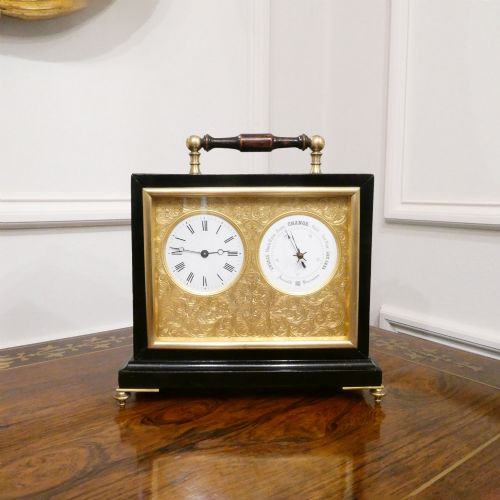
The version most frequently met on this page is housed in solid mahogany or oak, often combining the barometer dial with a thermometer or a clock. Such pieces reflect the domestic scientific interests of the Victorian, Edwardian, and 1930s eras.
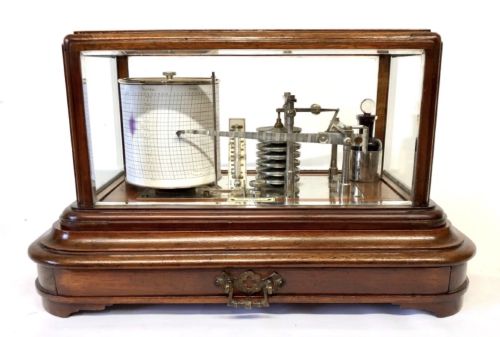
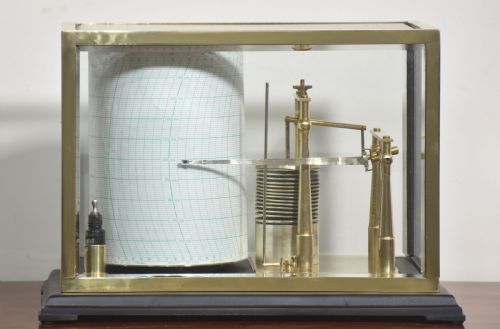
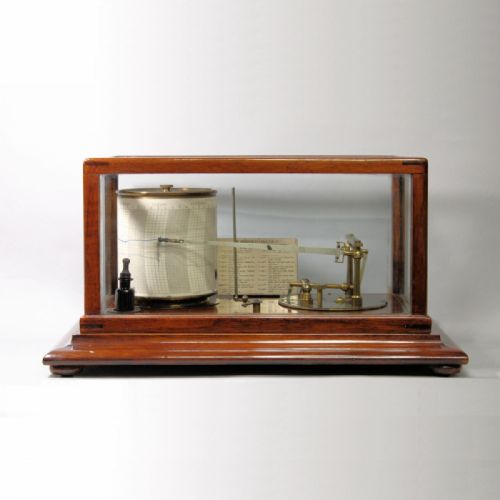
Forms range from compact aneroid dials on ebonised stands to architectural five-glass barographs that record pressure fluctuations on rotating drum charts. Each style demonstrates how workspace equipment once balanced utility with decorative craftsmanship.
How they were made
Cabinetmakers utilised dense hardwoods such as mahogany, oak, and walnut to house delicate mechanisms, frequently employing glass panels to protect the brass and steel inner workings. Ebonised wood and gilt or silvered bronze also appear, providing contrast for the engraved dials.
Instrument makers constructed the internal barometers using sensitive metal aneroid capsules or mercury columns, paired with graduated enamel or metal dials. Cases often feature intricate details like inlaid woodwork or architectural mouldings to suit executive desks of the period.
Listings feature scientific instruments across Edwardian, Victorian, and 1930s periods, housed in mahogany, oak, and brass.
What varies in quality
The distinction between standard commercial pieces and superior items lies in the execution of the mechanical movement and the sophistication of the cabinetry. Notable instrument makers employed finer engraving on silvered dials and heavier brass castings that endure better over time.
Cabinet quality ranges from plain utility boxes to multi-glass architectural cases with dovetailed drawers and premium timber selections. Signed movements by established scientific makers command greater attention from collectors who value documented provenance.
Short & Mason·Negretti & Zambra·Richard Freres·Gaupp & Co·Callaghan & Co
The Vintage Desk Barometer Glossary
- Aneroid barometer
- An instrument that measures atmospheric pressure without liquids, using an expanding and contracting metal capsule. This mechanism allowed barometers to leave the wall and sit securely on a desk.
- Barograph
- A recording barometer that traces pressure changes onto a paper chart fitted to a clockwork drum. These complex instruments usually sit inside protective wood and glass cases.
- Compendium
- A desk set combining several instruments, such as a timepiece, barometer, and thermometer, in a single housing. They were popular executive items in the late nineteenth and early twentieth centuries.
- Hypsometer
- A scientific instrument used to determine altitude by measuring the boiling point of water. They appear alongside barometers in specialist meteorological collections.
- Silvered dial
- A metal dial treated to achieve a brushed silver finish, providing a clear background for black engraved numbers. Higher quality examples feature crisp, deep lettering.
Vintage Desk Barometer: Frequently Asked Questions
How do I wind a barograph?
Most barographs feature a clockwork drum movement that requires a key to wind the mainspring. Turning the key clockwise until resistance is met powers the rotating cylinder for a week.
Take care not to overwind the mechanism, and avoid touching the delicate pen arm while handling the internal components.
Where should I place a desk barometer?
Position your barometer on a stable desk or table away from direct sunlight, radiators, and exterior doors. Sudden temperature shifts can interfere with the internal metal capsules.
Allow the instrument time to acclimate to its new indoor environment before attempting any calibration adjustments.
Can these barometers be calibrated?
Many aneroid barometers include a small adjustment screw located on the back or through the dial face. By comparing your reading to a known local meteorological measurement, you can turn the screw to match the correct pressure.
Do not force the adjustment screw if it feels stuck, as older mechanisms can be fragile.
How do I clean the wood and glass?
Dust the wooden case regularly with a dry, soft cloth and avoid using harsh chemical polishes that can damage antique finishes. Glass panels may be cleaned with a mild glass cleaner applied to a cloth rather than sprayed directly.
Keep moisture away from the dial face and any exposed brass inner workings.