


Edwardian Scientific Instrument
These edwardian scientific instrument examples are precision pieces of Victorian and Edwardian engineering that bring functional mechanics into the home or study.
What these pieces are
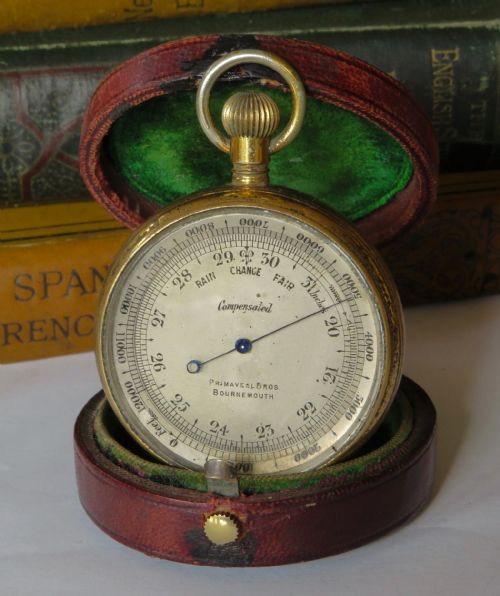
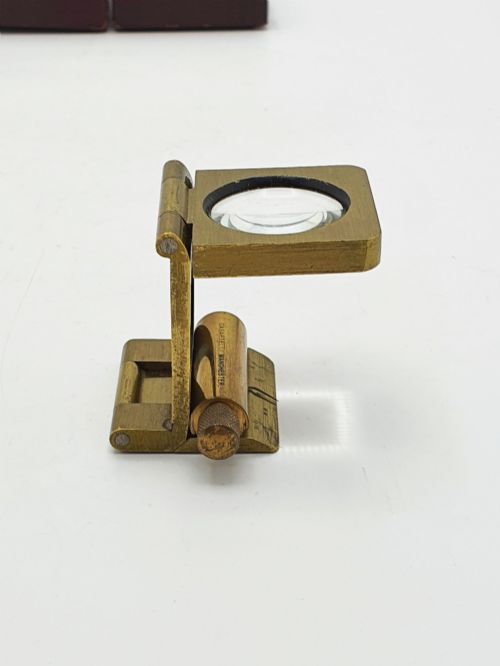
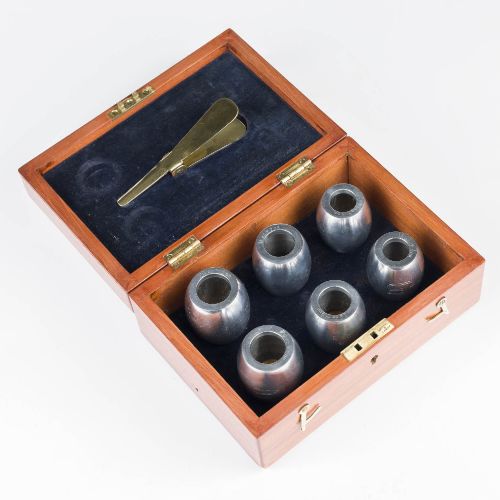
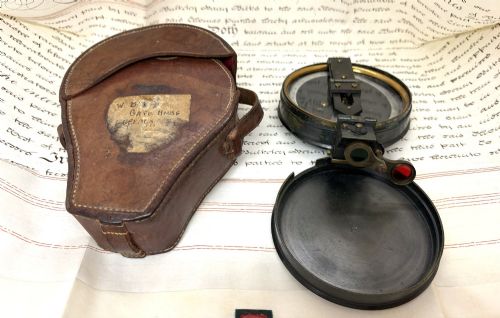
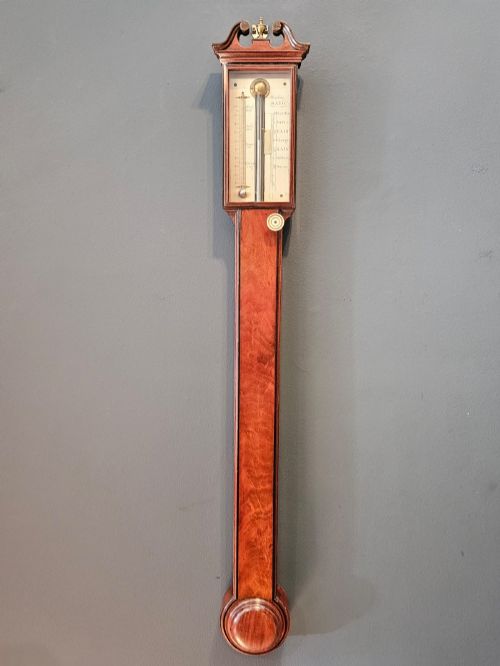
An edwardian scientific instrument covers a fascinating range of precision apparatus from the Victorian and Edwardian eras designed for measurement, navigation, and observation. You will encounter specialised instruments housed in compact wooden cases alongside wall-mounted meteorological apparatus and drafting tools.
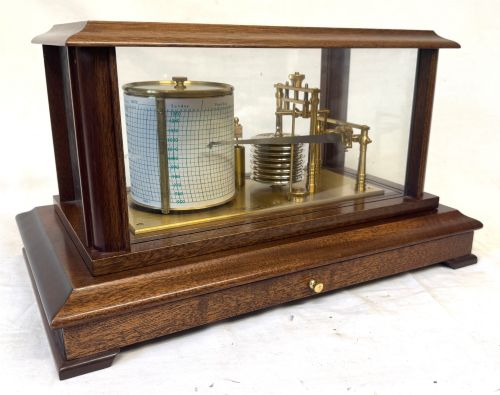
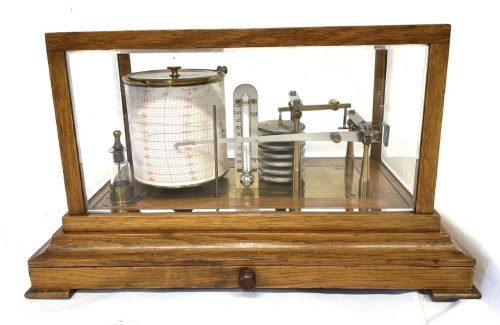
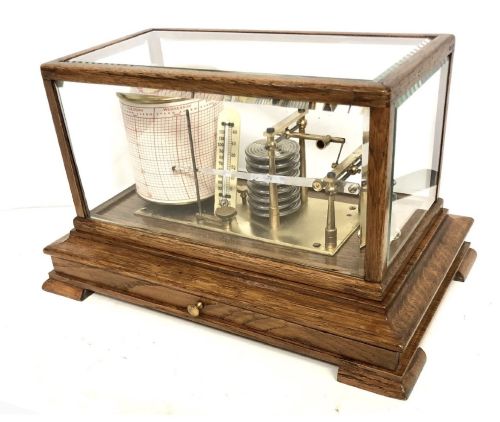
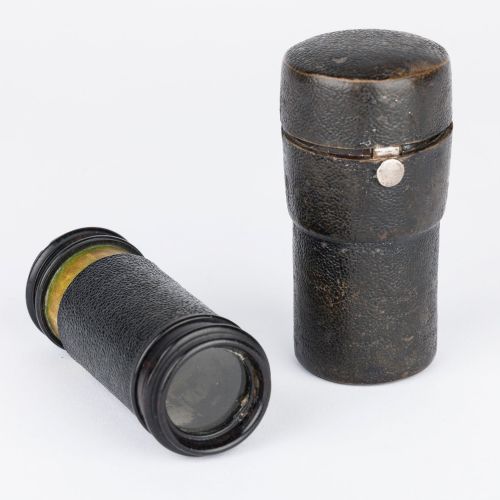
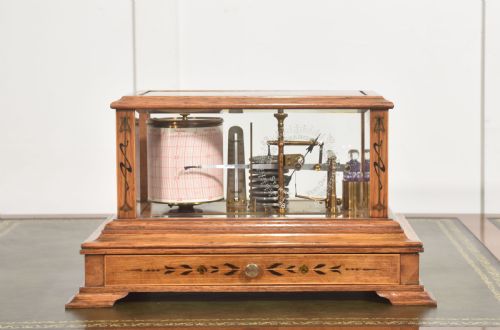
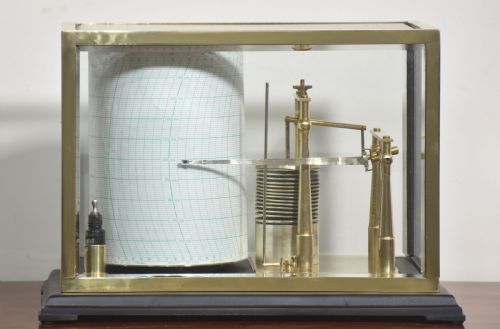
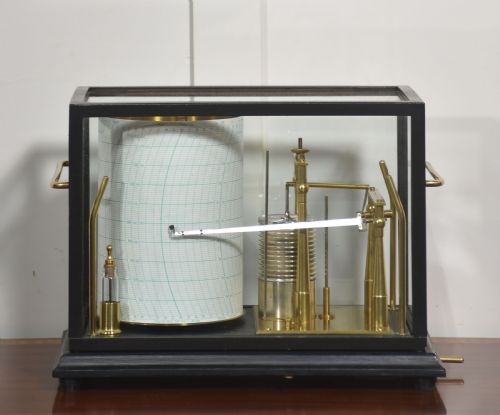
The selections on this page span several specific forms, featuring barographs with chart drawers, hygrometers, cased microscopes, and cartographic rolling rulers. Industrial pressure gauges and maritime typhoon barometers also appear, reflecting the period's rigorous approach to recording natural phenomena.
How they were made
Maker workshops constructed these instruments using durable metals such as brass and silvered metal for dials, scales, and delicate internal mechanisms. Enclosing cases utilise sturdy timbers including mahogany, oak, and general wood to protect sensitive parts.
Glass elements, particularly bevelled glass panels, allow clear viewing of interior dials and paper chart mechanisms while keeping dust away. Paper charts and labels are integral to recording functions in barographs and hygrometers.
Retail Price Guide 2026
Typical UK retail prices for edwardian scientific instrument, calculated from the Sellingantiques database of over a million retail prices indexed since 2003. This retail price guide relies exclusively on Sellingantiques data; no external sources or auction records are used, so the figures do not describe the wider market.
Some barographs were designed to track approaching typhoons, bringing high-stakes maritime weather monitoring directly onto a quiet library desk.
What varies in quality
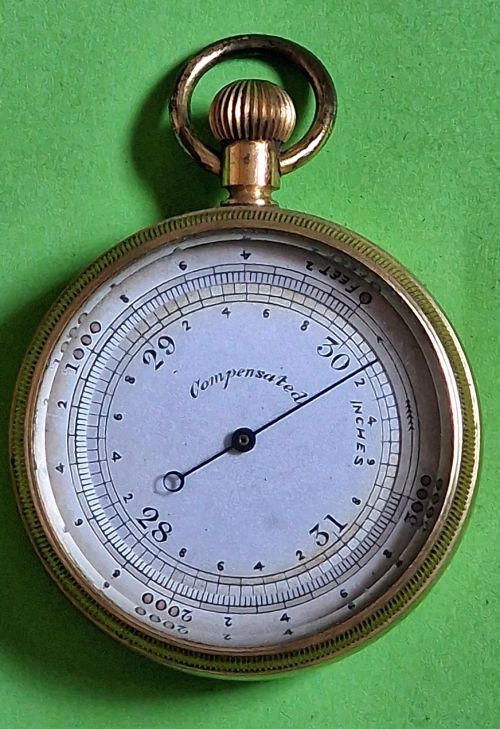
Quality in these instruments rests on the precision of the mechanism and the quality of its housing, from simple drafting tools to complex compensated surveying barometers. Maker reputation plays a significant part in distinguishing standard instruments from those produced by premier London workshops.
The choice of materials defines the tier of the piece, with solid mahogany or oak cases housing bevelled glass showing a higher standard of finish than utilitarian items. Complete assemblies featuring original chart drawers or matching components retain greater integrity.
Short & Mason London·Swift & Son·Negretti & Zambra London
The Edwardian Scientific Instrument Glossary
- Barograph
- A self-recording barometer that plots atmospheric pressure onto a paper chart over time. These units often feature a clockwork drum mechanism inside a glazed wooden case.
- Hygrometer
- An instrument used to measure humidity in the atmosphere. Wet and dry bulb variants compare temperatures to calculate moisture levels.
- Compensated barometer
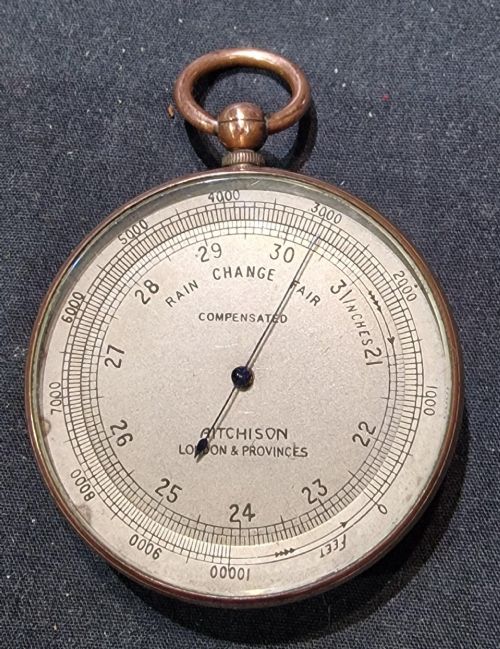
- A barometric instrument adjusted for temperature variations to ensure accurate pressure readings. This technical improvement was vital for reliable surveying and maritime use.
- Bevelled glass
- Glass with edges cut at an angled slant, commonly fitted into viewing lids of instrument cases. It adds a decorative and refined finish to scientific apparatus.
Frequently Asked Questions
How do I maintain a wooden instrument case?
Keep the timber clean with a soft dry cloth and avoid placing the case in direct sunlight or areas with high humidity to protect the polished wood.
Ensure that brass elements and glass panels remain dust-free by gently wiping them without using abrasive chemical cleaners.
Can these barographs still record weather?
Many barographs retain functional mechanical movements, though they are primarily valued as decorative and historical objects today.
Using them actively requires sourcing compatible replacement paper charts and ensuring the clockwork drum is properly wound.
How do I identify a Victorian versus Edwardian instrument?
Victorian instruments often feature heavier, highly ornate brasswork and dense timbers like mahogany, reflecting mid to late nineteenth-century tastes.
Edwardian pieces tend toward streamlined industrial designs or refined cabinetry, often marked with dates or maker signatures from the early twentieth century.
Where were these scientific instruments used?
These instruments were utilised across professional fields including surveying, cartography, meteorology, and maritime navigation.
They also found a place in private studies and homes of curious individuals interested in amateur science and weather recording.