


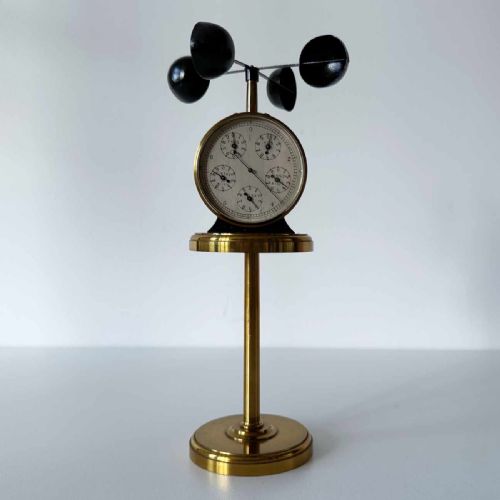


Antique Weather Gauge
An antique weather gauge brings precision brass and glass engineering into a room to measure atmospheric shifts with Victorian clarity.
Identifying an antique weather gauge
When you search for an antique weather gauge, you are looking at scientific instruments designed to measure atmospheric changes, moisture, and pressure. These objects combine practical domestic forecasting with functional brass and glass mechanics.
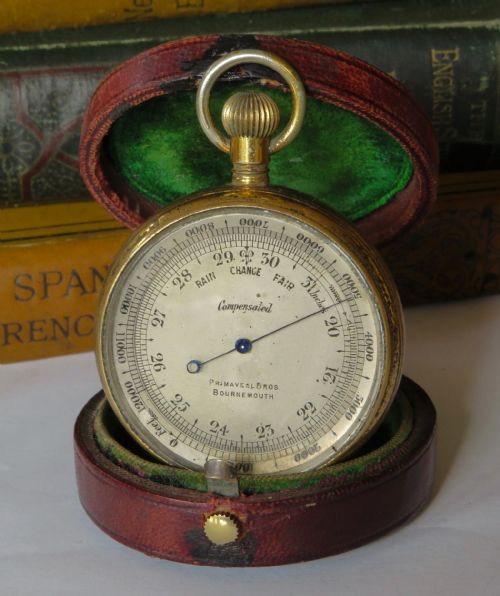
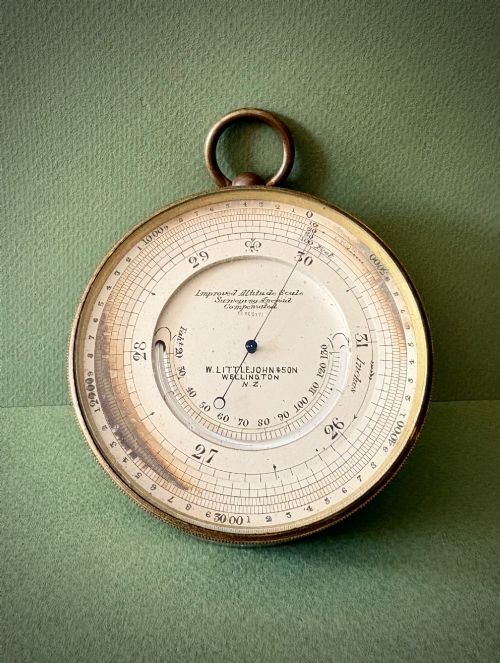
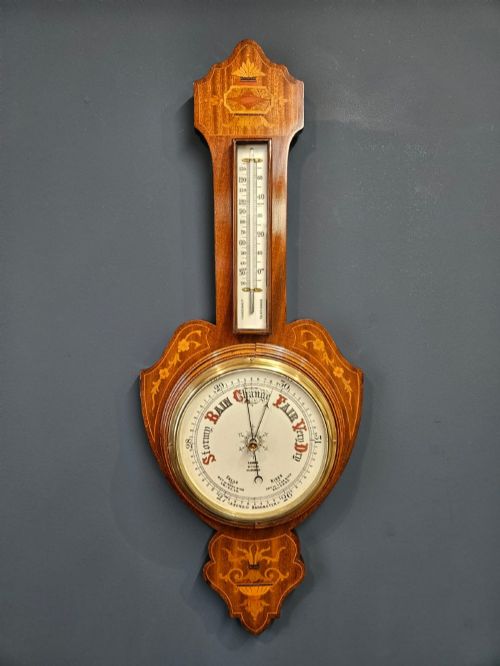
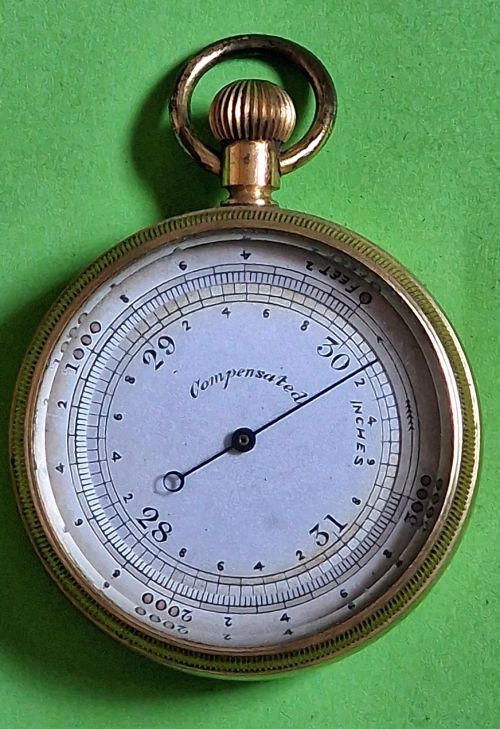
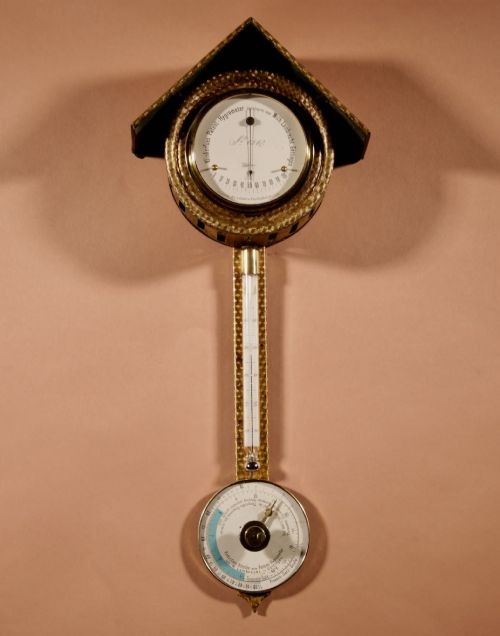
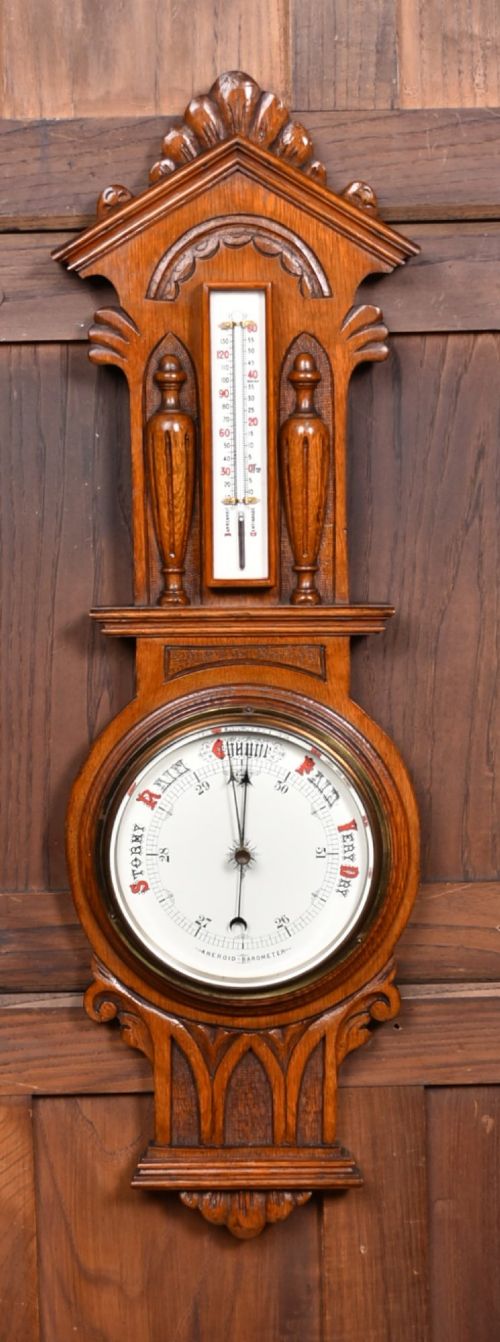
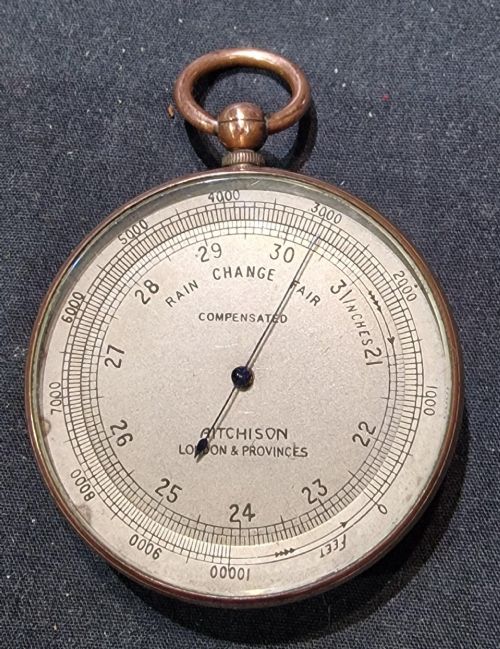
The versions most likely to meet you on this page include pocket barometers, complex weather stations incorporating hygrometers, and wall-mounted aneroid models. Their origins span the Victorian, Edwardian, and 1930s periods, reflecting decades of domestic and scientific utility.
Assessing quality and execution
Quality rests in the precision of the mechanical movement and the legibility of the printed paper dial beneath the glass. Finer pieces demonstrate careful calibration and robust brass housings that retain their original finish.
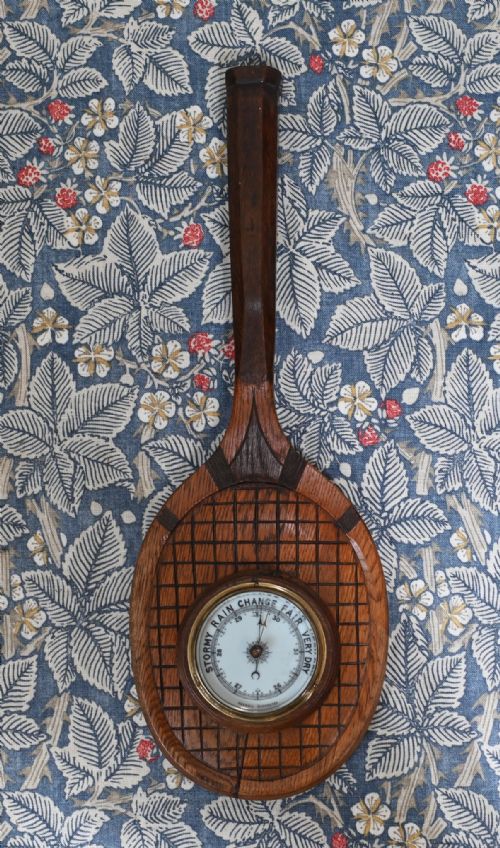
The distinction between standard domestic items and superior scientific instruments lies in the complexity of the combination, such as pairing a barometer with a hygrometer or housing the mechanism within specialised club memorabilia.
Retail Price Guide 2026
Typical UK retail prices for weather gauge, calculated from the Sellingantiques database of over a million retail prices indexed since 2003. This retail price guide relies exclusively on Sellingantiques data; no external sources or auction records are used, so the figures do not describe the wider market.
Current selections span Victorian, Edwardian, and 1930s periods, incorporating oak, brass, glass, and paper scales.
Wilh Lambrecht Gottingen Germany·Short And Mason London
The Antique Weather Gauge Glossary
- Aneroid barometer
- An instrument that measures atmospheric pressure without liquids, using a flexible metal box that expands or contracts as pressure changes.
- Hygrometer
- A device used to measure the humidity or moisture content in the atmosphere, often utilising human or animal hair.
- Weather station
- A combined instrument assembly housing multiple meteorological gauges such as barometers and hygrometers in a single frame.
- Hygradeik
- A specialised chart-type hygrometer utilising wet and dry bulb thermometers to determine relative humidity.
- Pocket barometer
- A compact portable pressure gauge housed in a small protective case for travel.
Frequently Asked Questions
What is an antique weather gauge?
An antique weather gauge is a historical scientific instrument used to track atmospheric pressure, humidity, and general weather patterns inside domestic or scientific settings.
These pieces typically date from the late nineteenth century through the interwar years, utilising brass, glass, and oak to display meteorological data.
How do aneroid barometers work?
Aneroid barometers measure air pressure through a sealed metal chamber that flexes slightly as external pressure rises or falls, moving an attached indicator needle across a printed paper dial.
This mechanical approach eliminated the need for fragile mercury columns, making barometers suitable for wall mounting or portable pocket use.
How do I care for an antique weather gauge?
Keep these instruments away from direct sunlight, excessive moisture, and sudden temperature shifts to preserve the delicate paper dials and internal metal components.
Dust the glass and brass housings gently with a dry cloth without applying harsh chemical polishes to the original metal surfaces.
What is a hair hygrometer?
A hair hygrometer measures relative humidity by utilising organic fibres that expand and contract with moisture levels in the surrounding air.
This physical movement transfers directly to a visible needle on the dial face, providing a reading of atmospheric dampness.