






Antique Scientific Equipment
Antique scientific equipment brings precision brass, glass and mahogany into your study, connecting you directly to centuries of measurement and discovery.
Antique Scientific Equipment
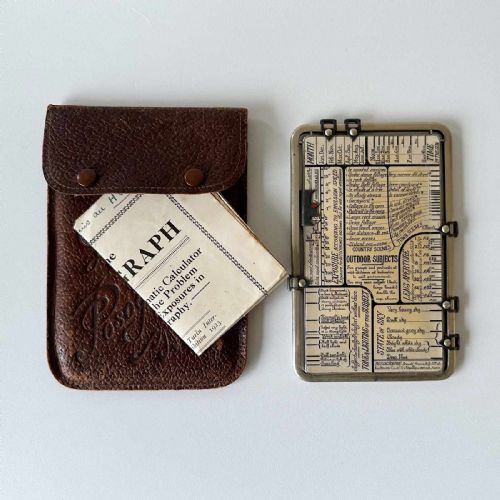
When you search for antique scientific equipment, you find a range of precision instruments spanning the eighteenth, nineteenth and twentieth centuries. These objects cover surveying, meteorology, optics and demonstration, reflecting the practical needs of past science.
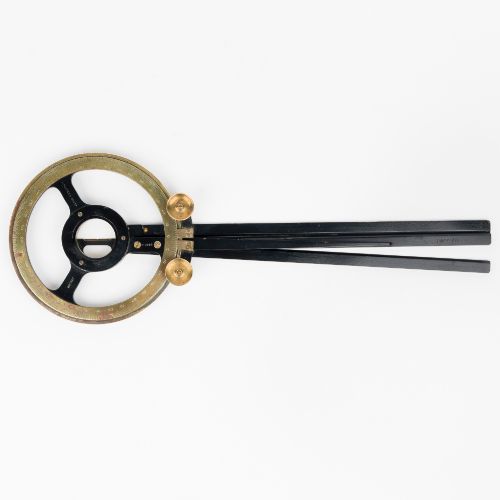
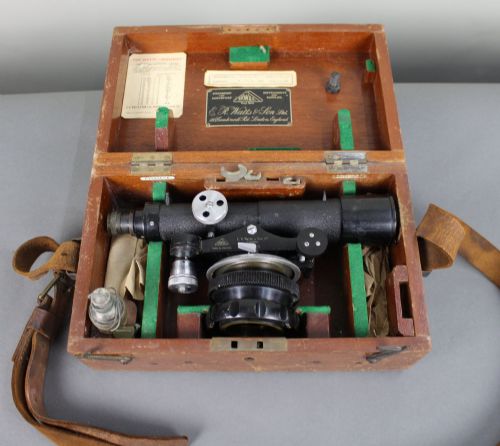
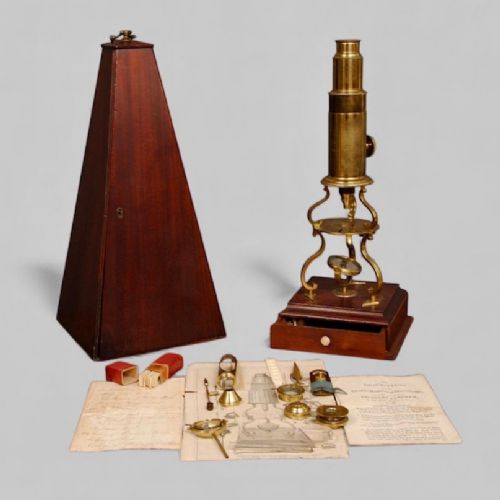
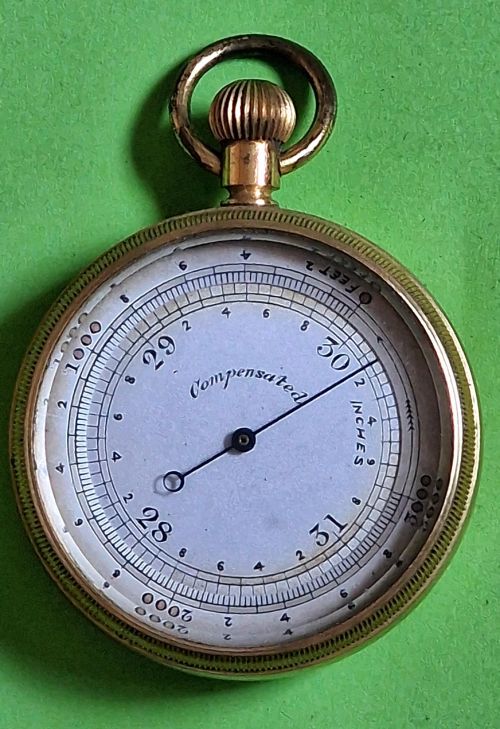
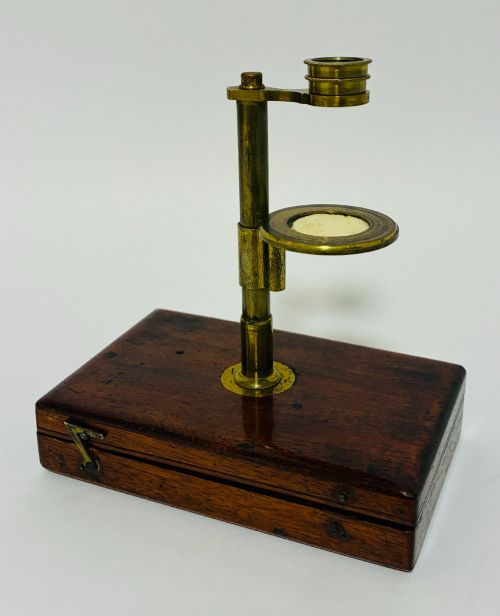
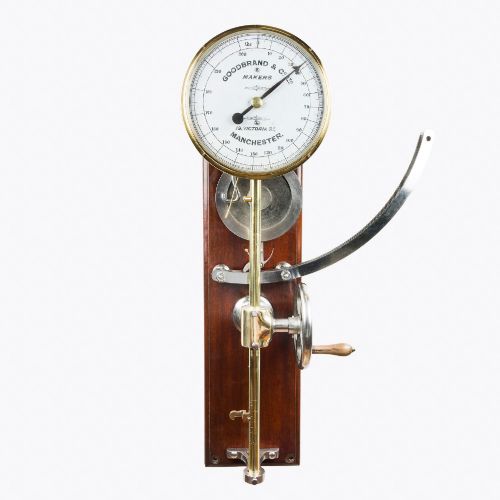
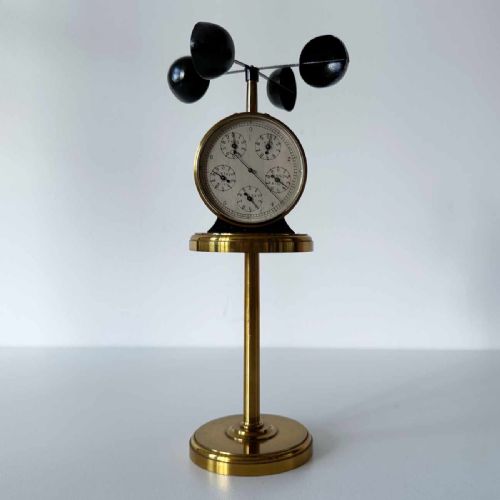
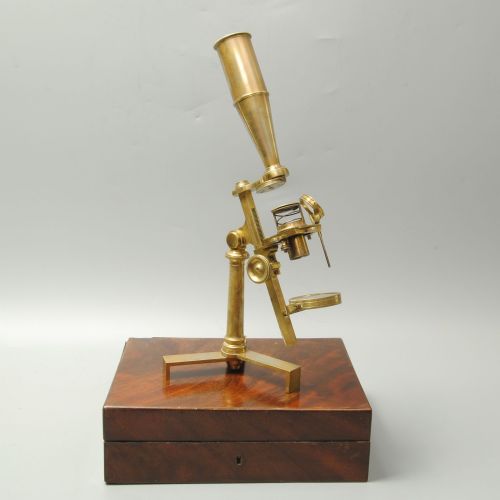
The pieces most frequently met on this page include brass theodolites, cased microscopes, barometers and anemometers. Many retain their fitted wooden boxes, housing delicate dials, lenses and graduated scales.
Origins stretch from London workshops to regional makers across Britain, capturing an era when instruments were built by hand for field surveyors, doctors and academics.
Materials and construction
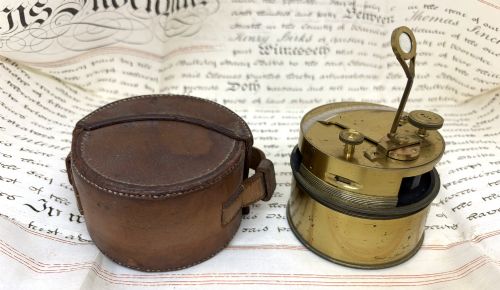
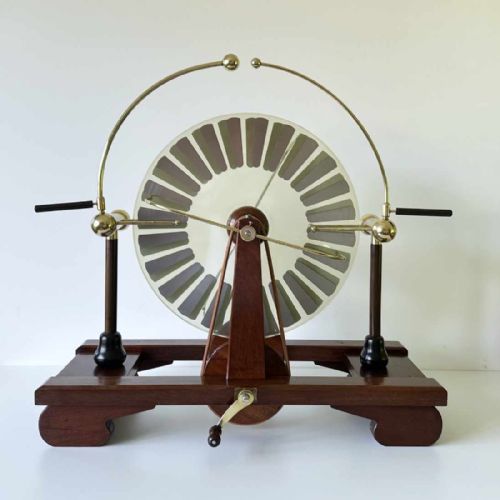
Makers relied heavily on turned and polished brass for structural frames, lens mounts and graduated circles, paired with seasoned mahogany or boxwood for protective cases and rule bodies. Glass forms lenses, thermometer tubes and viewing windows, while paper scales and leather linings complete the fitted interiors.
Metalworking techniques involved casting, precision lathe turning and hand-engraving for vernier scales and maker signatures. Woodwork required careful dovetailing and custom routing to secure irregular instrument shapes within portable field cases.
Antique Scientific Equipment Retail Price Guide 2026
Typical asking prices for scientific equipment among the pieces listed under this phrase on Sellingantiques today, from the lower quarter to the upper quarter. They describe what is for sale here now, not the wider market.
Listings feature Victorian and Edwardian scientific equipment utilising brass, mahogany, glass and steel across surveying, meteorological and optical categories.
Judging quality in scientific instruments
Quality rests upon the crispness of the engraved divisions on arcs and circles, and the smoothness of rack-and-pinion focusing movements. Finer instruments use heavier gauges of brass and thicker mahogany cases with closely fitted joints and original hardware.
The presence of signed maker details, matching serial numbers across components and original trade papers or calibration certificates elevate an example above standard utility pieces.
Baker London·W S Jones·L Casella Co·Short Mason London·J Hicks of London·Negretti Zambra·Alexander Adie·Heinrich Daniel Ruhmkorff·Thomas Dunn·John Lilley Son London·De Grave Co
The Antique Scientific Equipment Glossary
- Anemometer
- An apparatus designed to measure wind speed. Examples often employ rotating cup wheels connected to recording dials.
- Barometer
- A device utilised for measuring atmospheric pressure to forecast weather changes. Mercury or aneroid movements sit inside timber or metal housings.
- Vernier
- A secondary sliding scale that allows readings to a fraction of the main graduated division. It appears on the limbs of surveying and astronomical instruments.
- Hygrometer
- An instrument used for measuring the moisture content or humidity of the air. Wet and dry bulb variants are common in meteorological sets.
Antique Scientific Equipment: Frequently Asked Questions
How do I clean brass instruments?
Dust brass surfaces gently with a soft, dry microfibre cloth to preserve the aged patina. Avoid liquid polishes, which strip historical character and damage delicate engravings.
Keep wooden cases nourished with occasional applications of suitable furniture wax, ensuring no residue reaches glass or paper components.
Are these old instruments still accurate?
Most pieces serve as decorative or historical display objects rather than precise modern tools. Thermal expansion, wear to internal gears and dried lubricants usually affect original calibrations.
Some barometers and compasses may still function with minor adjustments, but delicate optics and fragile glass tubes require careful handling.
How do I identify the maker?
Look for engraved signatures, script or block lettering directly onto the metal body of the instrument. Makers often placed their details near dials, lenses or on the inside lid of fitted timber cases.
Paper trade labels glued inside boxes also provide workshop addresses and operational dates to help confirm provenance.