



Antique Barometer Altimeter
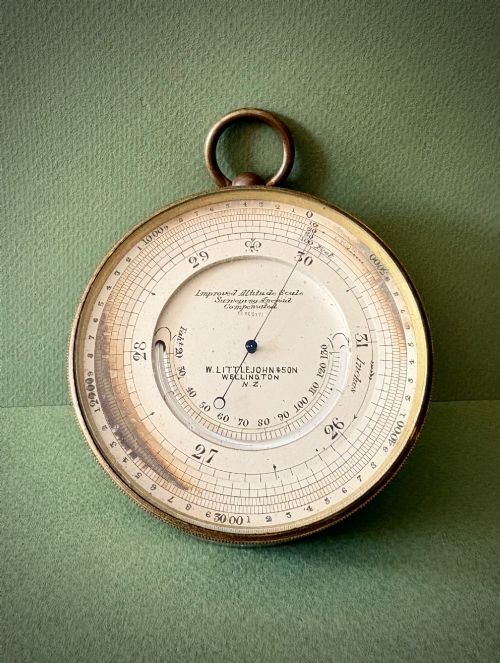
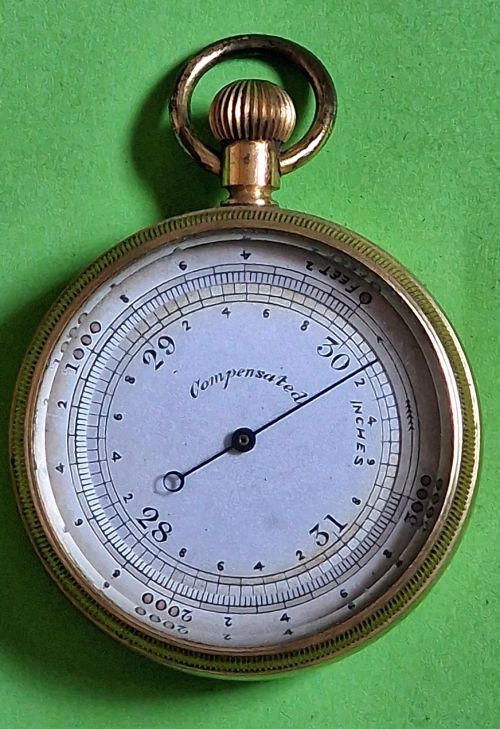
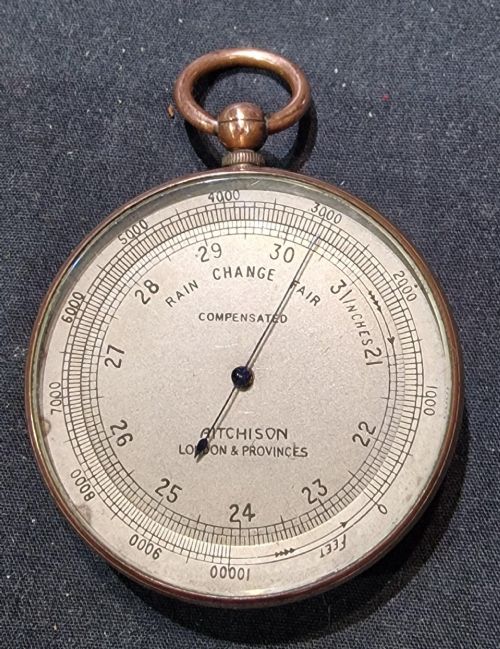
These antique barometer altimeter pieces are portable scientific instruments built for height and pressure measurement, prized by collectors for their intricate mechanical dials and robust pocket cases.
Antique Barometer Altimeter
An antique barometer altimeter combines atmospheric pressure tracking with altitude measurement into a portable pocket or travel format. Buyers search this phrase to find functional scientific instruments housed in brass, glass, and leather.
The versions most commonly met on this page range from Victorian pocket instruments to later industrial scientific pieces. They appear alongside travelling barometers and specialised survey equipment from the late nineteenth and early twentieth centuries.
Makers such as Negretti and Zambra, Short and Mason, and James Murray appear in the record, alongside military observation equipment and balloonist instruments. These objects reflect the scientific utility and precision engineering of their respective periods.
Materials and construction methods
These instruments are constructed using brass casings, glass dial covers, and silvered metal faces with finely engraved graduations. Leather and velvet frequently line the fitted cases designed to protect the delicate movements during travel.
Precision mechanics form the core of each piece, utilising compensated barometer movements to account for temperature changes. Metal and steel components work together inside the casing to translate atmospheric shifts into readable pressure and height scales.
Some tiny pocket instruments went aloft with Victorian balloonists, proving that even early scientists liked taking their work into the clouds.
Factors of quality and distinction
Quality rests upon the crispness of the engraved silvered metal dial and the precision of the internal compensated movement. Signed maker examples by recognised firms command greater attention than unsigned pieces.
The survival of the original leather or velvet-lined case significantly elevates an instrument. Unaltered dials and clear glass bezels separate superior survivals from pieces that have undergone heavy repair.
James Murray·Negretti and Zambra·Short and Mason·Primavesi·Aitchison
The Antique Barometer Altimeter Glossary
- Compensated barometer
- A barometer fitted with a mechanical device to counteract the effect of temperature changes on the reading. This ensures greater accuracy at varying ambient temperatures.
- Silvered metal
- A brass or copper alloy surface treated with a silver compound to produce a bright, matte finish. Graduations and numbers are then engraved and filled with black wax for legibility.
- Pocket barometer
- A small, portable atmospheric pressure gauge designed to be carried on the person. They often double as altimeters for mountaineers and travellers.
- Bezel
- The metal ring that holds the glass cover over the dial of the instrument. It often rotates to allow the setting of reference markers.
Antique Barometer Altimeter: Frequently Asked Questions
What is an antique barometer altimeter?
It is a portable instrument designed to measure both atmospheric pressure and altitude. These devices were utilised by travellers, surveyors, and balloonists.
Most examples date from the Victorian and Edwardian periods, housed in pocket-sized brass cases with silvered dials.
How do I date an antique altimeter?
Dating relies on the style of the brass case, the typography on the silvered metal dial, and any maker signatures. Listed pieces span from the late nineteenth century through the nineteen-thirties.
Maker marks and engraved retailer names provide direct links to active operating periods of firms like Negretti and Zambra or James Murray.
Were these used in hot air balloons?
Specialised pocket barometers and altimeters accompanied balloonists and early aviators to measure ascent and altitude. Silver models were produced specifically for balloonists.
Larger observation balloon instruments also exist, reflecting military and scientific exploration of the upper atmosphere.
How should I care for a pocket barometer?
Keep the instrument in a dry environment to protect the internal brass mechanics and the silvered metal dial. Avoid exposing the glass and bezel to sharp impacts.
If the piece includes a fitted leather or velvet case, store the instrument inside it to safeguard the exterior casing from scratches.