



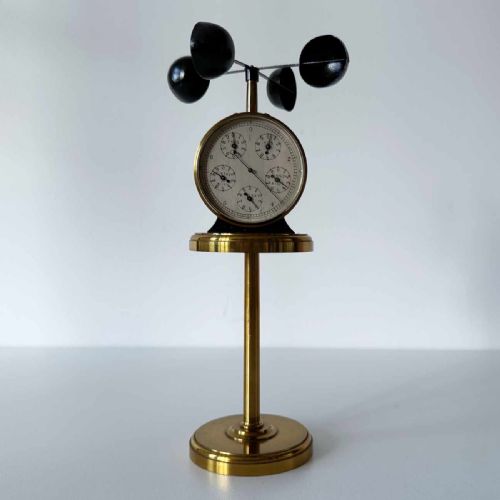


Scientific Desk Instrument
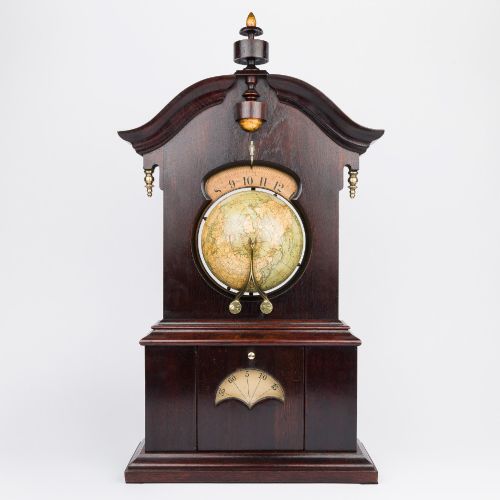
A scientific desk instrument is a precision device for measurement or observation, and these pieces bring utilitarian elegance and historic ingenuity to a study.
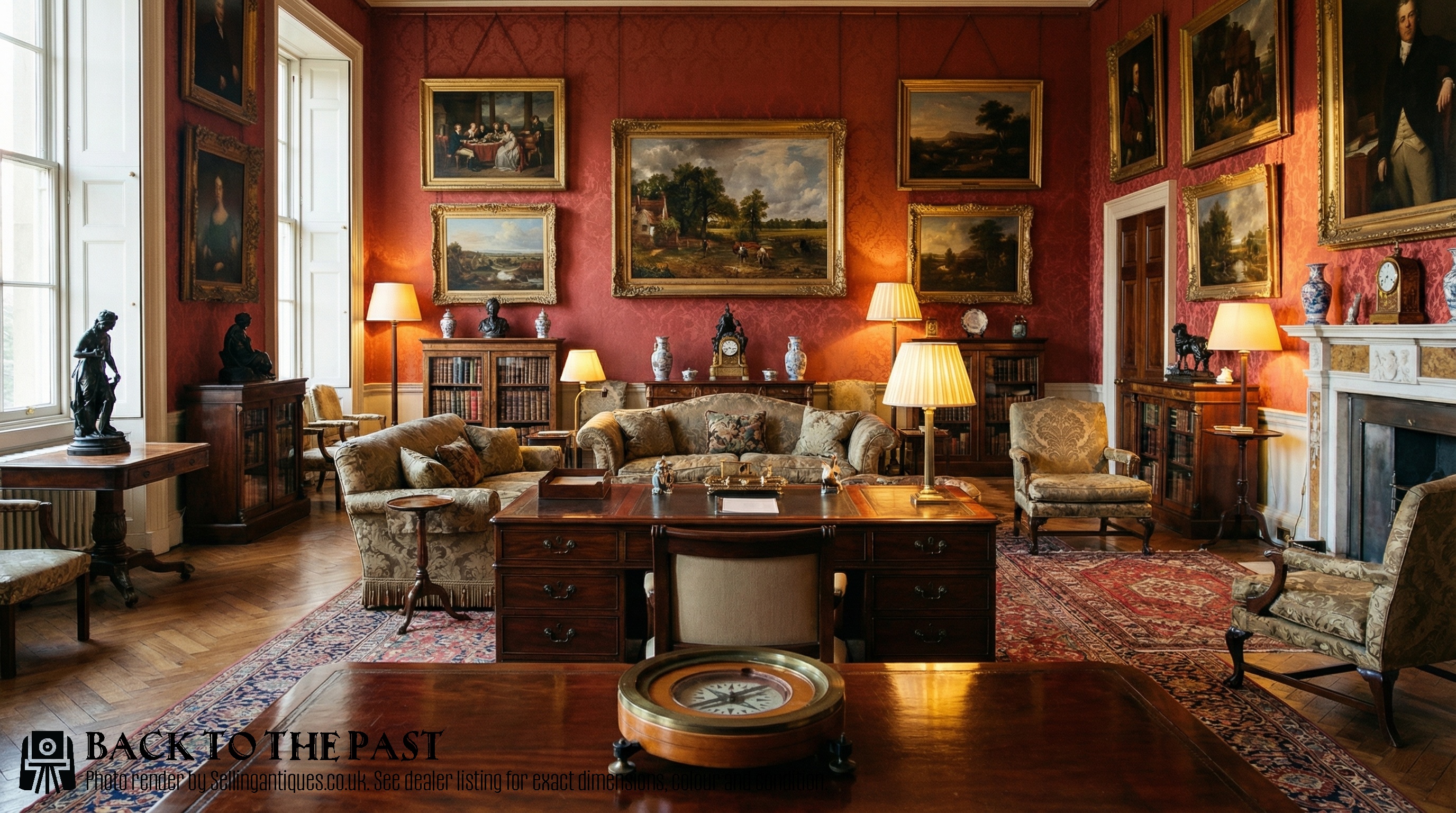
Scientific Desk Instrument
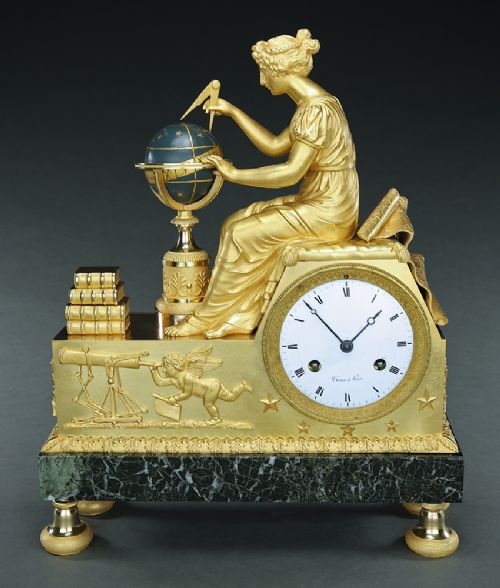
When you search for a scientific desk instrument, you encounter practical tools designed for navigation, meteorology, optics, and timekeeping. These objects range from library telescopes and barographs to thermometers, compasses, and barometers.
The pieces on this page span several periods, including Georgian, Victorian, Edwardian, and the early twentieth century. You are most likely to meet mahogany-cased barographs, brass telescopes, and marble or wood-mounted desk thermometers originating from English and European workshops.
Forms vary according to their original scientific purpose, yielding everything from heavy obelisk thermometers to compact pocket telescopes and recording rain gauges.
Materials and construction
Makers utilised durable metals such as brass, bronze, steel, and nickel plating alongside dense hardwoods including mahogany, oak, walnut, and fruitwood. Glass protects delicate dials, mercury tubes, and lenses, while leather frequently dresses the body of portable spyglasses.
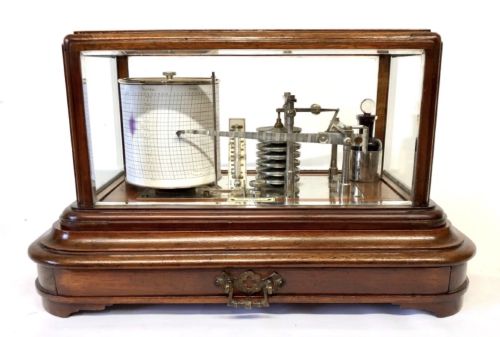
Construction relies on precision assembly, with brass components carefully cast and turned, and wooden cases dovetailed or polished to house sensitive mechanisms. Dial faces display engraved or silvered details, and marble provides stable, weighted bases for desk instruments.
Listings feature instruments spanning the Georgian, Victorian, and Edwardian periods, constructed from brass, mahogany, glass, and oak.
Judging quality in desk instruments
Quality rests in the precision of the mechanics, the crispness of the engraved markings upon the metal or dial, and the integrity of the housing. Superior examples exhibit smooth mechanical action, whether in the focusing draw of a telescope or the responsive movement of a barograph arm.
The choice of materials further defines the tier of the piece, distinguishing heavy, finely grained mahogany cases and solid brass fittings from simpler constructions. Retaining original components, such as fitted wooden travel cases or maker signatures on dials, elevates the standing of an instrument.
M Pillischer of London·Thomas Rubergall·Negretti and Zambra·J Hicks of London·Short and Mason Limited·Francis West·John Newman·W Watson and Sons
The Scientific Desk Instrument Glossary
- Barograph
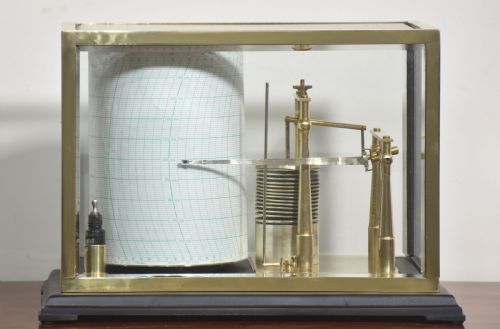
- A self-recording aneroid barometer that charts atmospheric pressure over time onto a revolving drum. This mechanical apparatus usually sits within a glass and mahogany or oak case.
- Hypsometer
- An instrument used to determine height or elevation by measuring the boiling point of water. It is a specialised meteorological tool found in scientific collections.
- Anemometer
- A device used for measuring the speed and force of the wind. Examples include tipping bucket recording rain gauges and wind-measuring instruments.
- Spyglass
- A small, portable refracting telescope designed for terrestrial viewing. These typically feature multiple telescoping draws housed in brass, fruitwood, or leather.
- Inclinometer
- An instrument for measuring the angle of slope or tilt relative to gravity. It frequently accompanies precision desk compasses from the Georgian and Victorian eras.
Scientific Desk Instrument: Frequently Asked Questions
What is a scientific desk instrument used for?
These instruments served practical functions in homes, offices, and maritime settings, recording atmospheric pressure, temperature, time, and optical measurements.
Owners relied on them to monitor weather patterns, navigate, or conduct scientific observations from the convenience of a library desk.
How do I date a brass telescope?
Dating relies on stylistic clues, the number of drawer sections, the materials used for the barrel dressing, and any signatures engraved on the brass.
Georgian and Victorian models often display specific proportions, signature formats, and optical configurations that distinguish them from later Edwardian iterations.
Where should I place a barograph?
Barographs require a stable surface away from direct heat sources, heavy vibrations, and moisture to ensure the delicate recording mechanism operates correctly.
A library desk, study table, or mantelpiece provides an ideal environment where the revolving drum and ink arm can be observed safely.
Are these instruments still accurate?
Many barometers, thermometers, and compasses remain functional, though older mechanisms may require careful calibration against modern standards.
Even when used primarily for display, their mechanical integrity offers a tangible connection to nineteenth-century scientific engineering.