




Victorian Desk Instrument
A victorian desk instrument brings scientific utility and heavy brass engineering into the study, offering precise measurement for the writing table.
Victorian Desk Instrument
When you search for a victorian desk instrument, you encounter scientific apparatus and practical accessories designed to measure weather, time, or optics upon a writing surface. The pieces listed on this page span scientific instruments, barometers, desk accessories, barographs, mantel clocks, writing instruments, propelling pencils, and desk clocks.
Most items originate from the Victorian period, alongside examples dated from 1800 through the Edwardian era up to 1920. Materials range from brass and glass to mahogany, steel, metal, leather, oak, and paper, reflecting the utilitarian demands of nineteenth-century workrooms.
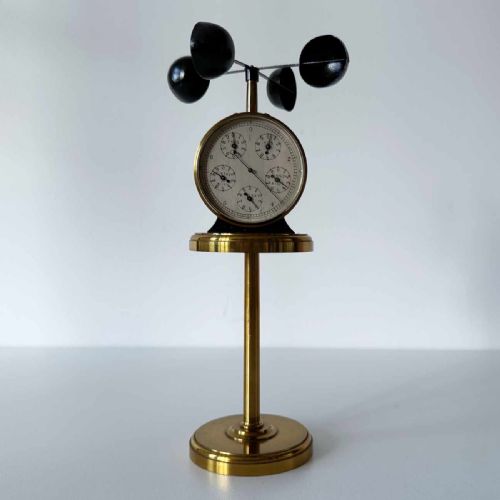
Forms vary from pocket-scale dip pens and magnifying glasses to large oak or mahogany-cased barographs and pedestal anemometers. These objects served the practical needs of writers, navigators, and scientists before digital measurement took over.
Materials and construction methods
Instruments are constructed primarily from turned brass, polished steel, and heavy hardwoods such as mahogany and oak, which provided structural stability for delicate internal mechanics. Glass and sometimes celluloid or Ashford black marble complete the optical and protective elements of barometers, thermometers, and lenses.
Maker signatures and scale graduations are frequently engraved directly into metal plates or printed on paper dials, showcasing precise manual calibration. Wood cases feature dovetailed joints and turned feet, designed to protect sensitive barograph drums and barometer movements from daily wear.
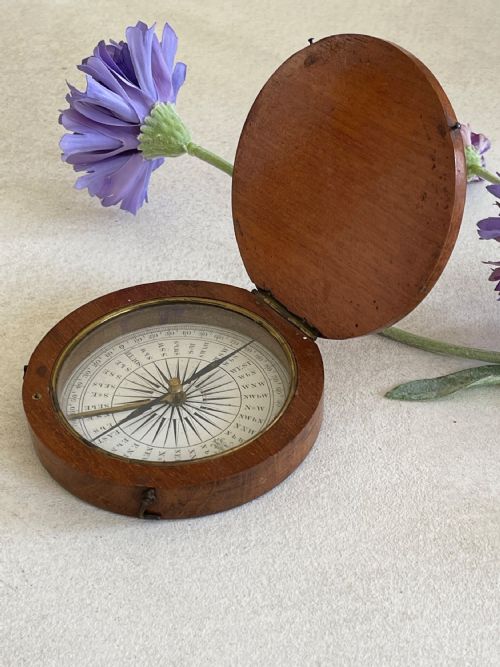
A tiny candle shade designed specifically to assist nineteenth-century microscopy sits among the heavy meteorological barometers and desk compasses.
Distinctions in construction and finish
Quality rests upon the precision of the mechanical movement and the crispness of the engraved markings on dials and scales. Finer items exhibit heavy gauge brass castings, clear optics, and robust cabinetwork in timbers like mahogany or walnut rather than lighter veneers.
The presence of original fitted cases, maker inscriptions, and fully intact recording mechanisms separates standard utilitarian gear from exceptional scientific pieces. Maker attribution to notable opticians and instrument makers elevates the standing of an individual piece.
GAUPP & CO HONGKONG & SINGAPORE·M Mabie Todd & Co·Sampson Mordan·M Pillischer of London·Antoine Redier of Paris·Thomas Rubergall of London·Negretti & Zambra·J Hicks of London·Robson of Newcastle·Callaghan & Co of London·Francis West·CW Dixey London·Richard Freres·John Newman of Regent Street·W Watson & Sons London
The Victorian Desk Instrument Glossary
- Barograph
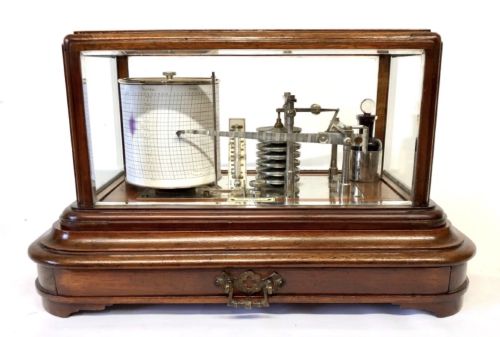
- A self-recording aneroid barometer that charts atmospheric pressure onto a revolving paper drum. These mechanisms often sit inside glazed mahogany or oak desk cabinets.
- Anemometer
- An instrument used for measuring the speed of wind. Pedestal and tipping bucket versions appear among recording weather apparatus.
- Hypsometer
- An instrument for determining height above sea level by finding the boiling point of water. These portable scientific devices were often housed in fitted leather or wooden cases.
- Dip pen
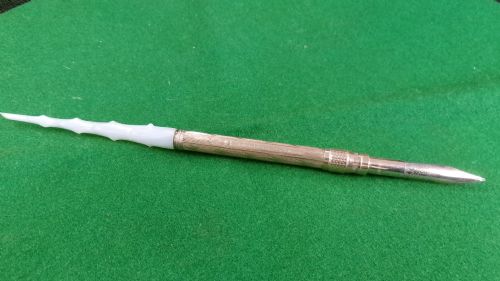
- A writing implement consisting of a nib mounted on a handle. Gold plated examples survive from the late nineteenth century.
- Inclinometer
- An instrument for measuring angles of slope or tilt. These appear fitted to desk compasses for navigation and surveying.
Victorian Desk Instrument: Frequently Asked Questions
What is a barograph?
A barograph is a mechanical weather recording device that plots barometric pressure onto a paper chart over the course of a week. It uses an aneroid capsule stack connected to an inked nib.
These instruments usually sit inside glazed wooden boxes made of mahogany or oak to protect the delicate drum mechanism from dust and air currents.
How do I maintain wood and brass?
Wood surfaces require occasional application of traditional wax to preserve the finish and prevent the grain from drying out. Brass components benefit from light dusting, avoiding aggressive metal polishes that remove historic patination.
Keeping these instruments away from direct sunlight and damp environments protects both the external cabinetry and the internal metal springs.
Are these scientific instruments accurate?
Many barometers, thermometers, and compasses retain a high degree of mechanical function, though barometric instruments generally require calibration to local altitude and pressure. Scientific pieces from makers like Negretti and Zambra were built to professional standards.
Collectors treat them primarily as historical display objects rather than primary instruments for daily meteorological forecasting.
How do I date a desk instrument?
Dating relies on engraved maker signatures, patent dates, style shifts, and the specific material combinations typical of periods like the Victorian era or 1920. Comprehensive maker directories help trace the active working years of firms listed on the dials.
Case construction styles also change over time, moving from heavy Regency and early Victorian rosewood to later oak and walnut housings.