




Victorian Brass Optics
Victorian brass optics bring tangible scientific curiosity and maritime history into your home, offering beautifully engineered instruments built to last.
Victorian Brass Optics
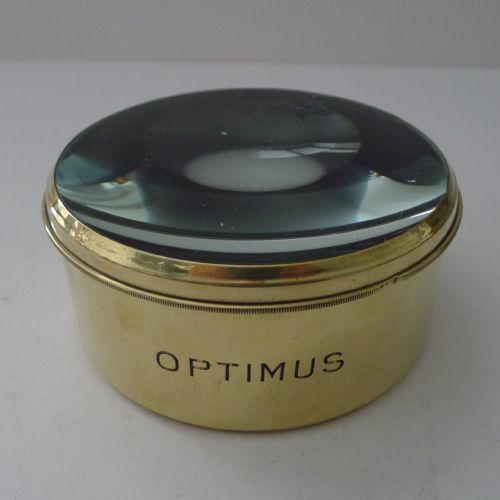
When you search for Victorian brass optics, you encounter a specialised selection of nineteenth-century scientific instruments, pocket spyglasses, and functional maritime tools. These pieces bridge the gap between practical utility and desktop display.
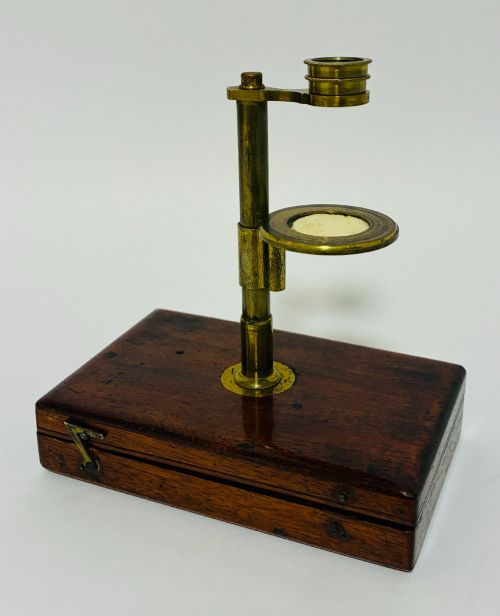
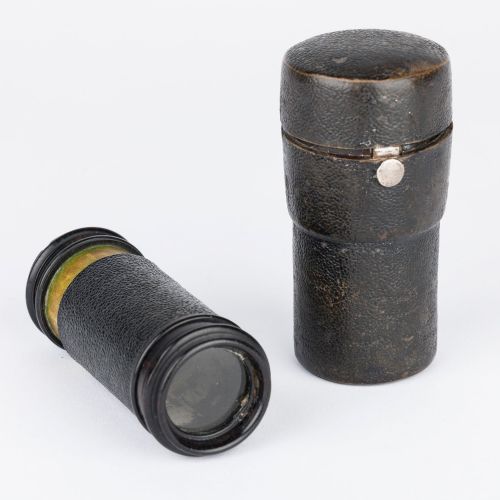
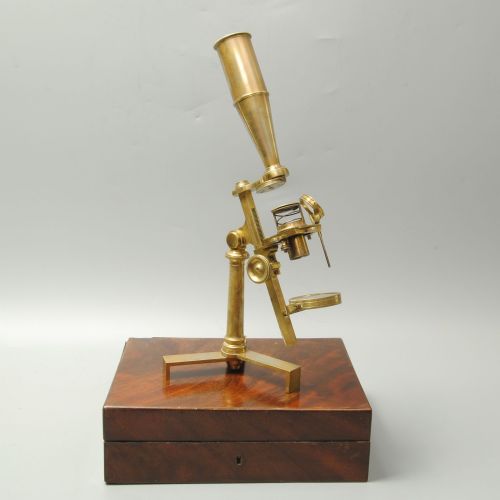
The objects on this page range from nineteenth-century botanical field microscopes and drum microscopes to compact compound microscopes in fitted cases. You will also find architectural levels, pocket spyglasses, and naval telescopes.
Materials such as brass, glass, mahogany, leather, iron, fabric, velvet, and nickel dominate the selection. Styles span the nineteenth century, including Victorian, Victorian maritime, Victorian scientific, and Edwardian designs.
Materials and construction
Makers fashioned these optical and scientific instruments primarily from polished brass, often paired with glass lenses, mahogany bodies, and leather accents. Iron, nickel, and fabric components further support the mechanical function of microscopes and telescopes.
Cases often incorporate fitted wooden boxes lined with velvet or fabric to protect delicate glass and brass elements during transport. Bone and wood form the shafts of specialised walking stick cane telescopes from the period.
Victorian Brass Optics Retail Price Guide 2026
Typical asking prices for victorian brass optics among the pieces listed under this phrase on Sellingantiques today, from the lower quarter to the upper quarter. They describe what is for sale here now, not the wider market.
The selection includes specialised items ranging from botanical field microscopes and bone walking stick telescopes to architectural levels by WF Stanley.
Judging quality in brass optics
Quality rests upon the precision of the mechanical engineering and the clarity of the surviving glass lenses. Instruments complete with their original fitted cases or marked by known makers demonstrate superior desirability.
The integrity of the brass polish, the smooth movement of draw tubes, and the preservation of secondary materials like leather, bone, and velvet distinguish finer examples from standard utilitarian items.
M Pillischer of London·Ross of London·WF STANLEY
The Victorian Brass Optics Glossary
- Compound microscope
- An optical instrument using multiple lenses to provide higher magnification than a single lens. These desktop versions often include fitted wooden storage boxes.
- Spyglass
- A small, portable refracting telescope with sliding brass draws. Sailors and field observers utilised these compact tools for distant viewing.
- Drum microscope
- A nineteenth-century microscope design where the body tube mounts on a cylindrical pillar resembling a small drum. This configuration offers stable desk placement.
- Architects level
- A precision levelling instrument utilised in surveying and construction. These brass devices mount on tripods and incorporate precise sighting optics.
Victorian Brass Optics: Frequently Asked Questions
What are Victorian brass optics?
Victorian brass optics encompass scientific and navigational instruments produced during the nineteenth century, primarily constructed from polished brass and glass. They include microscopes, telescopes, opera glasses, and architectural levels.
These pieces reflect the era's rapid advancements in science, exploration, and precision manufacturing.
How do I care for antique brass instruments?
Keep brass optics away from damp environments and direct sunlight to protect leather accents, velvet linings, and wooden cases. Dust the brass gently with a soft dry cloth.
Avoid using harsh chemical polishes that remove the historic patina accumulated over more than a century.
Were these instruments used outdoors?
Many items, such as pocket spyglasses, naval telescopes, and botanical field microscopes, were designed specifically for outdoor field use. Makers equipped them with protective leather sleeves or robust brass housings.
Desktop items like drum microscopes and pulpit lamps remained stationary in studies, laboratories, or offices.
How do I identify a Victorian microscope?
Victorian microscopes often feature heavy brass framing, rack-and-pinion focusing knobs, and fitted mahogany or softwood storage boxes. Many retain maker signatures engraved on the brass stage or tube.
Designs vary from portable field models to substantial drum and compound microscopes intended for laboratory research.