






Antique Scientific Optics
Antique scientific optics are precision instruments of brass and glass that bring the 18th and 19th centuries into sharp focus.
Antique Scientific Optics
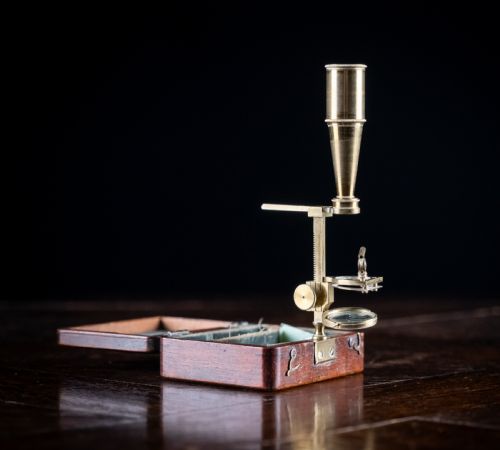
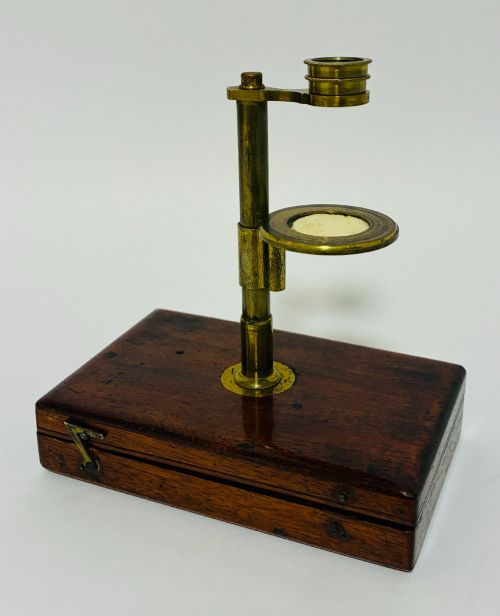
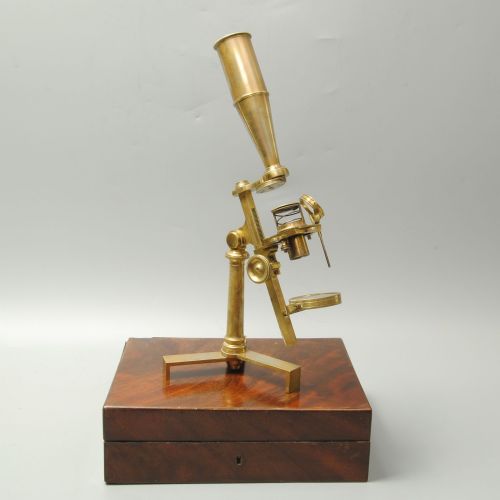
When you search for antique scientific optics, you are looking at instruments designed for observation, measurement and natural philosophy. These pieces range from pocket spyglasses and field microscopes to library telescopes on stands and opticians examination sets. Most examples on this page date from the Georgian, Regency and Victorian periods.
How they were made
The construction of these instruments relies heavily on turned brass tubes and hand-ground glass lenses. Metal components are often finished with precise threading and sliding adjustments to achieve focus. Timber such as mahogany is turned and polished to form protective outer bodies or storage cases.
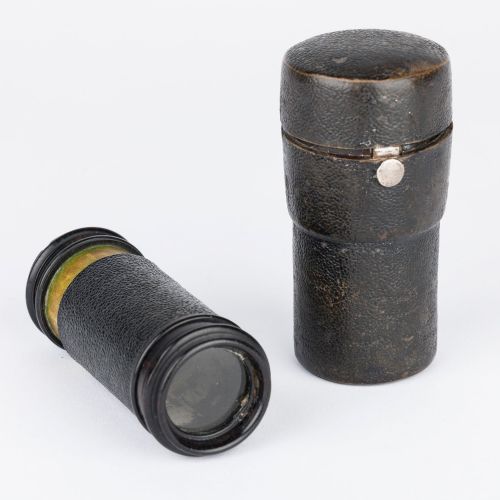
Many items incorporate secondary materials like leather grips, velvet case linings and fabric candle shades for microscopy. Patents such as Webber's folding magnifying glass show mechanical ingenuity in creating compact, adjustable optics. Structural joints and mountings are built to withstand field use while maintaining optical alignment.
Antique Scientific Optics Retail Price Guide 2026
Typical asking prices for scientific optics among the pieces listed under this phrase on Sellingantiques today, from the lower quarter to the upper quarter. They describe what is for sale here now, not the wider market.
What varies in quality
Quality in these instruments lies in the clarity of the glass and the precision of the mechanical action. Superior pieces show crisp engraving on the maker's signature and smooth, uncompromised movement across draw tubes or focusing screws. The survival of original fitted cases and auxiliary lenses also elevates an instrument's standing.
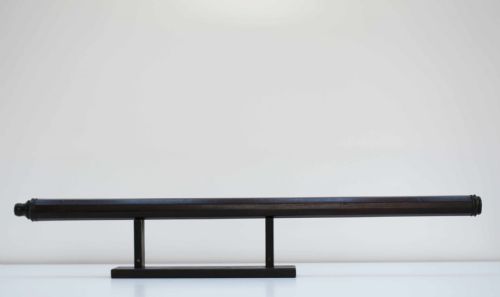
Simpler pocket spyglasses or unmarked field microscopes occupy a different tier from signed library telescopes by notable makers. The integration of specialised optics, such as decagonal barrels or non-achromatic reverse tapers, marks out ambitious workshop production.
Cary London·M Pillischer of London·Johnson·Clarkson London·Matthew Berge London·John Gilbert·WF Stanley
The Antique Scientific Optics Glossary
- Achromatic
- An optical lens corrected to reduce chromatic and spherical aberration. This development allows clearer viewing by bringing wavelengths of light to a common focus.
- Drum microscope
- A compact 19th-century microscope design enclosed in a cylindrical metal body. It typically slides within an outer stand for coarse and fine focusing.
- Gregorian telescope
- A reflecting telescope design utilising a concave primary mirror and a small secondary mirror. This configuration produces an upright image suitable for terrestrial and astronomical viewing.
- Field microscope
- A portable optical instrument designed for botanical and natural history study outdoors. These often pack directly into small wooden or leather pocket cases.
- Decagonal
- Having ten angles and ten sides. This geometric form appears on specific telescope barrels from the 18th century.
Antique Scientific Optics: Frequently Asked Questions
Were these telescopes used at sea?
Many compact spyglasses and multi-draw telescopes served naval officers and travellers for navigation and spotting. Their brass and mahogany construction provided durability against coastal weather.
Other larger instruments, such as library telescopes on stands, remained indoors for natural philosophy and astronomical study.
Why do some telescopes have multiple draws?
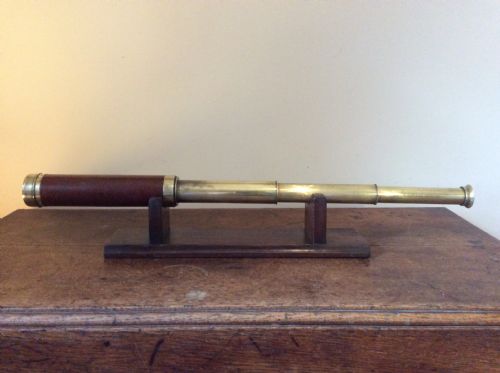
Multiple draw tubes allow a long telescope to collapse into a fraction of its extended length for portability. This design lets natural philosophers and travellers carry high-magnification optics in a pocket or case.
Precision engineering ensures each brass section locks or slides smoothly into alignment without sagging.
What is a botanical field microscope?
A botanical field microscope is a portable instrument used by naturalists to examine plants and insects outdoors. These pieces often feature folding legs or small stages that fit inside protective wooden cases.
They represent the Victorian interest in field study and natural history education.