



Antique Optical Instrument
An antique optical instrument brings together precision glass and polished brass, offering a direct view into past centuries of scientific enquiry and daily utility.
Antique Optical Instrument
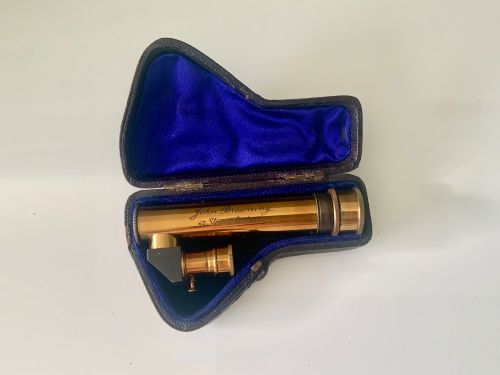
Every antique optical instrument bridges practical nineteenth-century utility and precision craftsmanship. The selection spans scientific instruments, opera glasses, telescopes, and magnifying glasses originating across the Georgian, Victorian, and Edwardian eras.
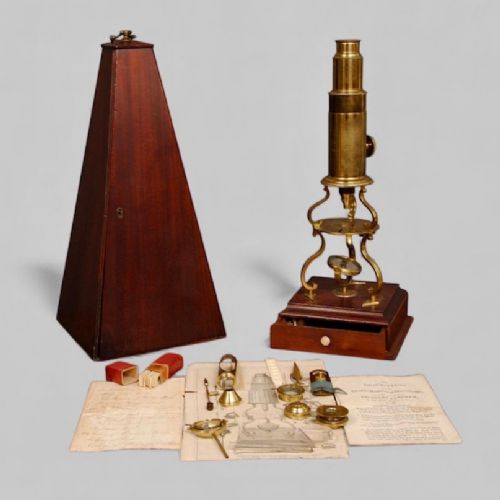
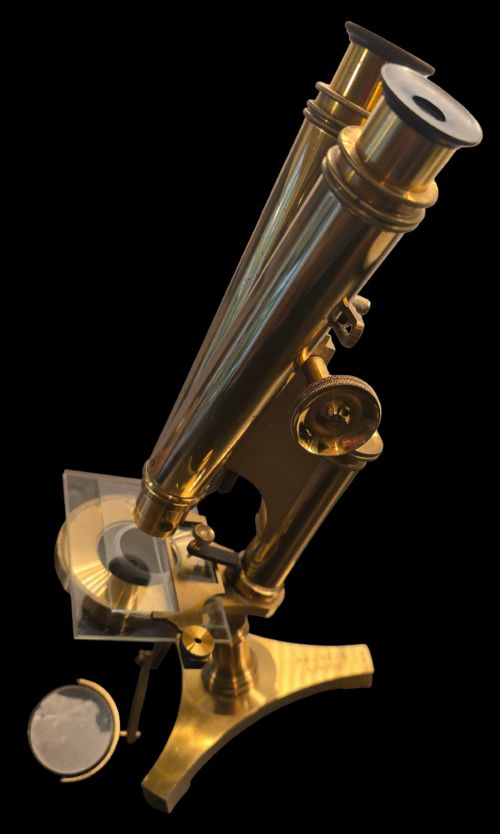
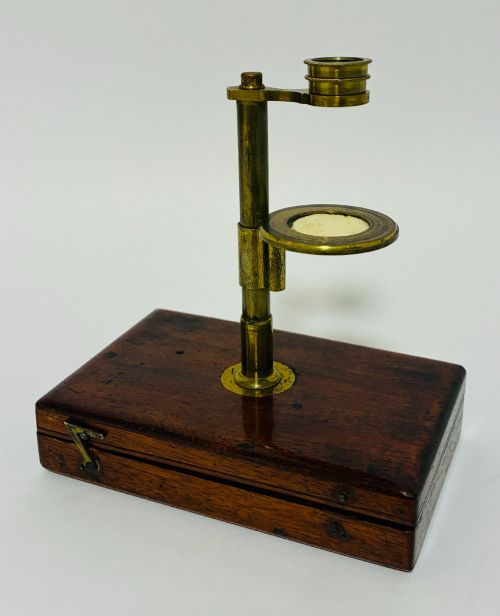
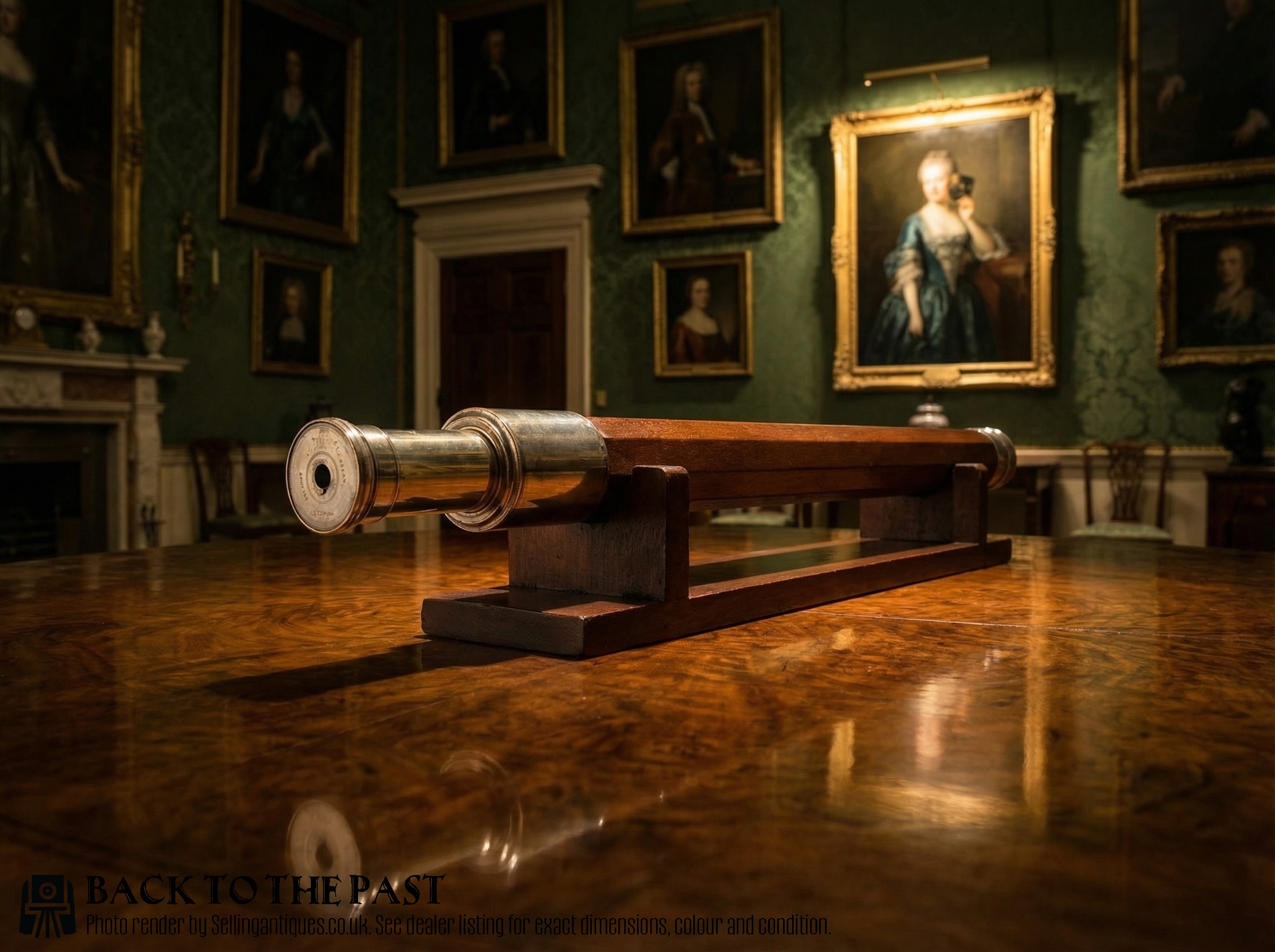
Telescopes and microscopes dominate the heavier brass and mahogany designs, while pocket magnifiers and opera glasses utilise lighter leather, mother of pearl, and velvet linings.
Desk accessories and test lens kits appear frequently, reflecting professional opticians' workshops and domestic study rooms from the eighteenth century through to the early twentieth century.
Materials and construction
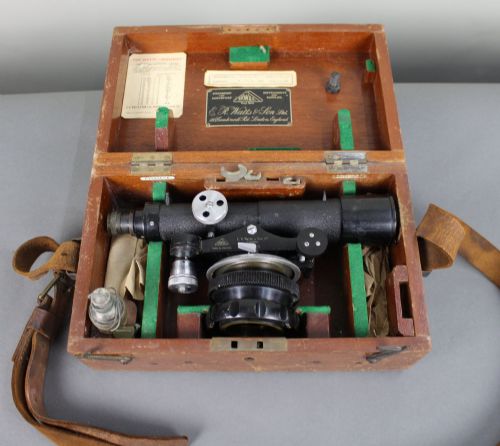
Makers shaped heavy brass and steel into draw tubes and mounting stands, pairing them with ground glass lenses. Cases utilise turned mahogany, rosewood, and burr yew wood lined with velvet or leather.
Fine mechanisms rely on threaded components and pivoting joints machined by hand. Details such as mother of pearl inlays and inscribed maker signatures distinguish high-grade workshop production.
Antique Optical Instrument Retail Price Guide 2026
Typical asking prices for optical instrument among the pieces listed under this phrase on Sellingantiques today, from the lower quarter to the upper quarter. They describe what is for sale here now, not the wider market.
Materials across the listings include brass, mahogany, rosewood, leather, velvet, cast iron, and mother of pearl.
Judging the standard
The degree of finishing on the brass housing and the clarity of the original glass set individual examples apart. Instruments retaining signed trade papers or original fitted wooden cases demonstrate superior provenance.
Complex mechanical assemblies, such as binocular microscopes and multi-draw telescopes, indicate higher workshop ambition than simple handheld magnifiers.
John Browning Strand London·Casartelli Manchester·R & J Beck Ltd·Thomas Rubergall·Steward of London·Ross London·Iris Paris·Swift & Son·Chadburn Brothers·Francis West·WF Stanley
The Antique Optical Instrument Glossary
- Spectroscope
- An optical instrument used to measure properties of light over a specific portion of the electromagnetic spectrum. It splits light into its constituent wavelengths for analysis.
- Loupe
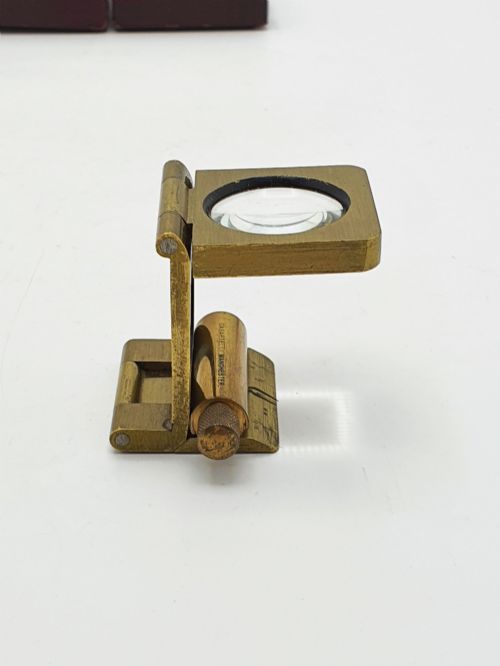
- A small magnifying glass used to examine details closely. Jewellers and opticians historically relied on these pocket-sized lenses.
- Stereoscope
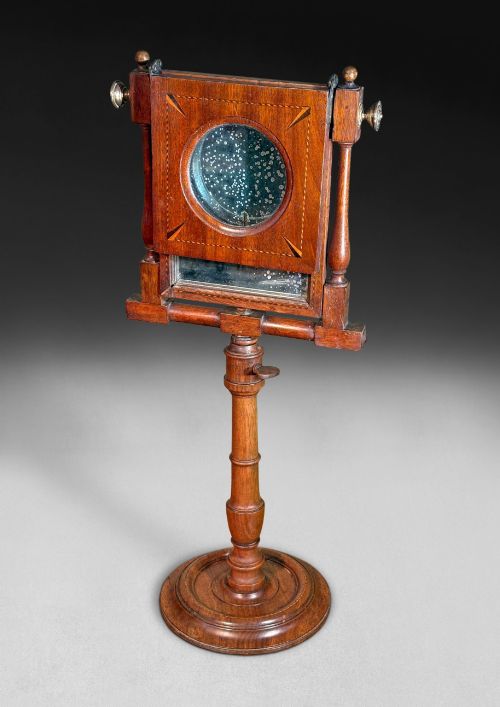
- A device for viewing a stereoscopic pair of photographs, creating a three-dimensional effect. Victorian drawing rooms often housed wood-veneered models.
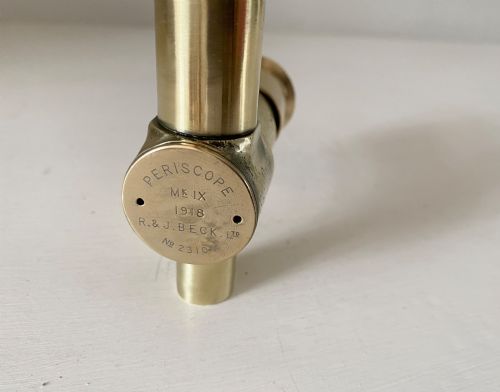
- Periscope
- An apparatus consisting of a tube of glass and mirrors or prisms through which an observer can see things otherwise out of line of sight. Military variants saw service during the First World War.
Antique Optical Instrument: Frequently Asked Questions
Can I use these old telescopes outside?
Many brass marine and library telescopes remain fully operational for terrestrial viewing. Historic optics lack modern coatings, so focus them carefully in bright daylight.
Store them securely in their fitted mahogany cases when not in use.
What are opera glasses used for?
Victorian theatregoers utilised these compact binoculars to bring distant stages closer during performances. Their low magnification provided a wide field of view in dim auditoriums.
Wealthier patrons purchased versions decorated with mother of pearl and sterling silver.
How do I date an instrument?
Maker signatures, address stamps, and patent dates inscribed on the brass barrel often narrow production to a specific decade. The style of the wooden storage case and fastening hardware offer further chronological clues.
Comparative study with signed archival examples confirms the period of manufacture.