





Victorian Brass Telescope
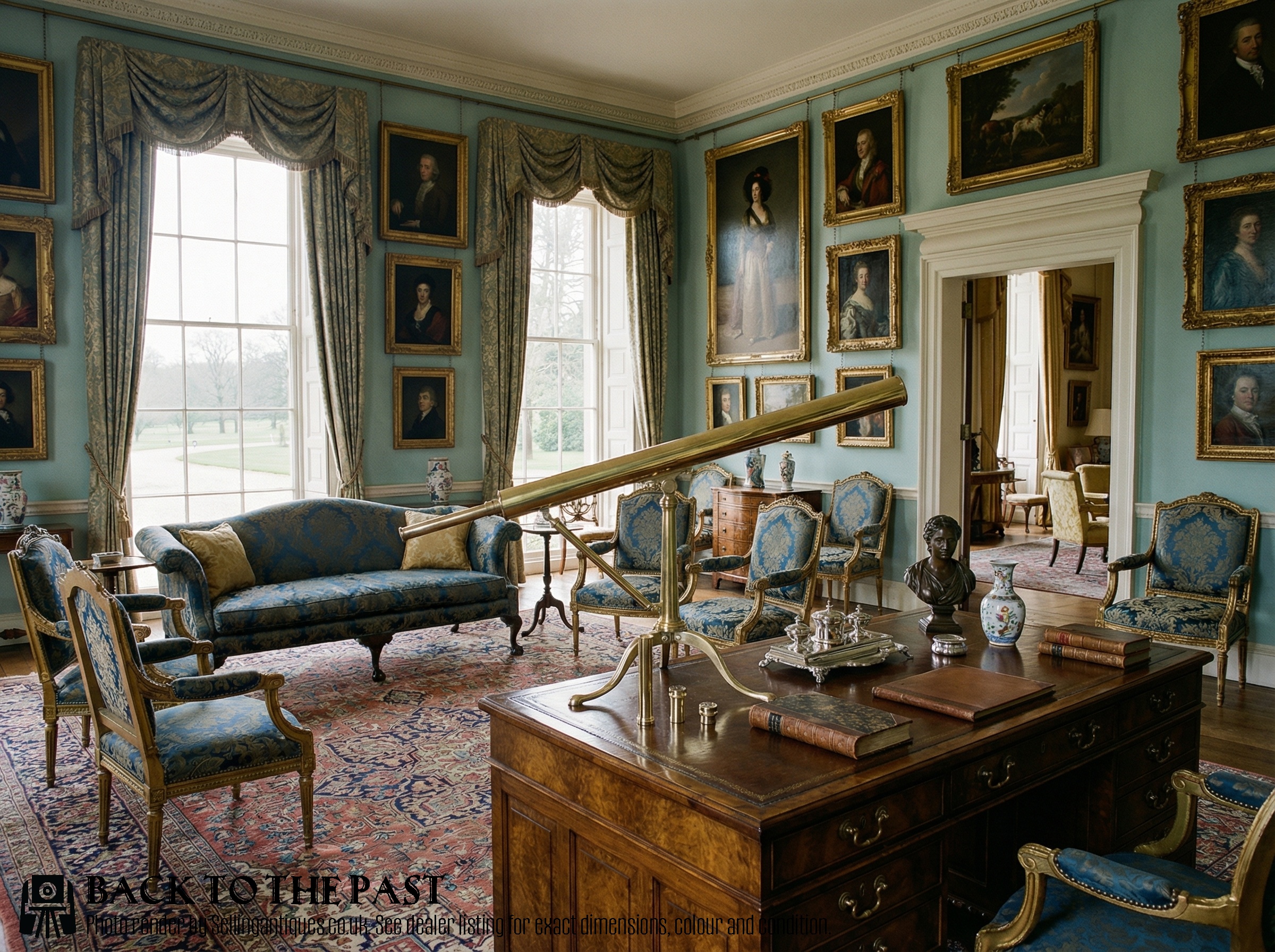
A victorian brass telescope brings nineteenth-century optics and precision engineering straight into a modern room.
Victorian Brass Telescope
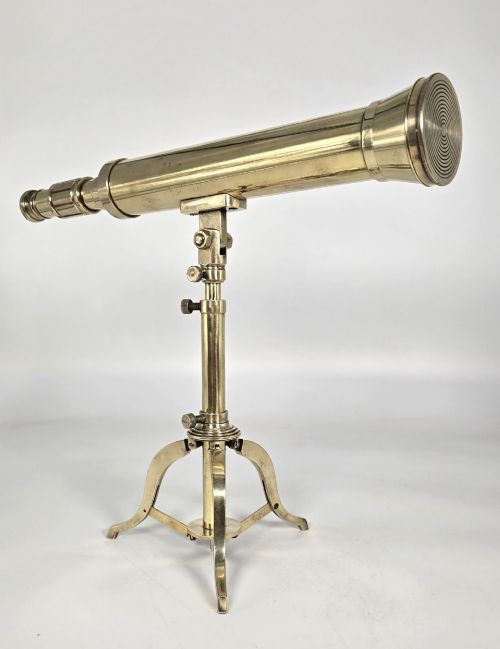
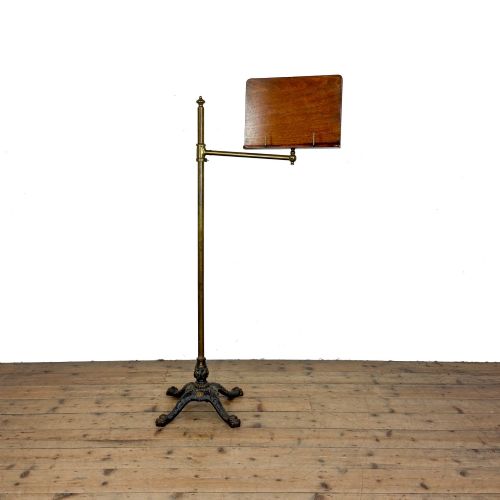
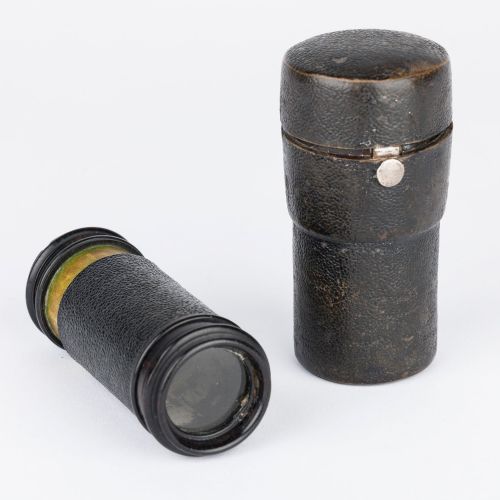
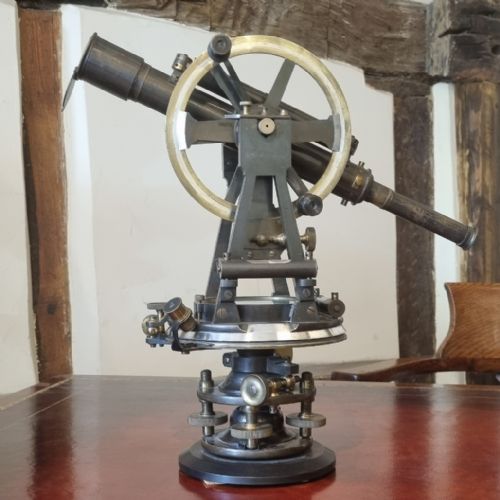
A victorian brass telescope spans hand-held marine spyglasses, multi-draw terrestrial tubes, and substantial library instruments mounted on stands. The versions most commonly met on this page are multi-draw handheld brass tubes encased in leather or mahogany.
Makers produced these optical instruments for navigation, military campaigns, and stargazing. The selection covers compact pocket scopes alongside library models intended for domestic study or shipboard use.
Materials and construction
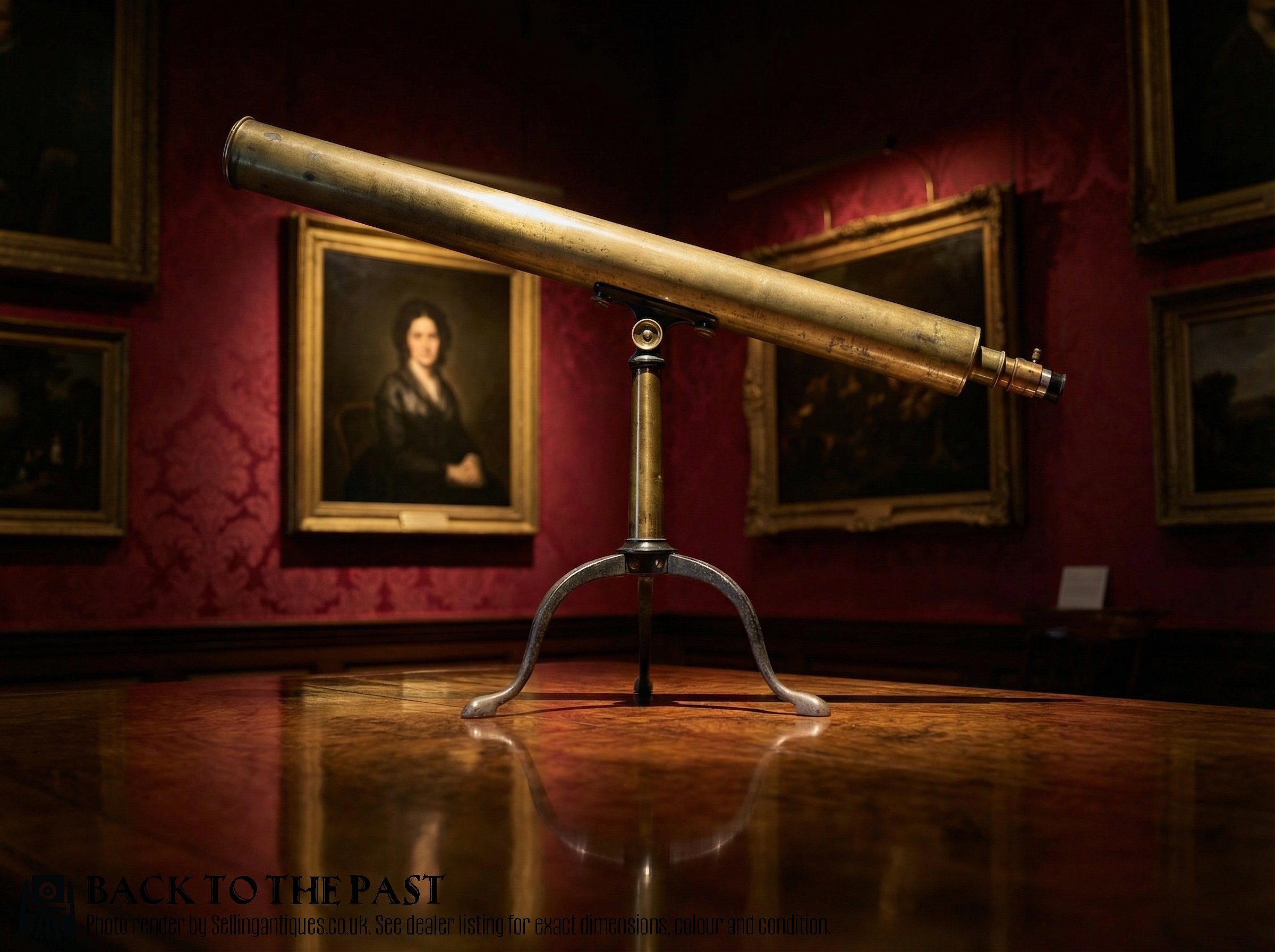
Makers constructed these instruments primarily from polished brass, combining glass lenses with protective secondary materials such as leather, mahogany, fruitwood, and bone. Draw tubes slide smoothly within one another to adjust the focal length for terrestrial or astronomical viewing.
Metal components were often turned on lathes, while wooden or leather grips offered tactile handling for navigators and observers in the field.
Victorian Brass Telescope Retail Price Guide 2026
Typical asking prices for victorian brass telescope among the pieces listed under this phrase on Sellingantiques today, from the lower quarter to the upper quarter. They describe what is for sale here now, not the wider market.
Several Victorian walking canes conceal fully functioning brass telescopes inside bone handles for covert nineteenth-century sightseeing.
Evaluating the craftsmanship
Quality rests in the precision of the optical glass, the firmness of the draw tube fit, and the crispness of maker signatures engraved on the brass barrels. Finer examples display robust mechanical execution and clear, sharp magnification.
Signed pieces by established retail opticians demonstrate superior workshop standards compared to unmarked utility instruments intended for basic daily service.
Ross of London·L Casella·Negretti and Zambra·Dollond·Newton and Co·Chadburn Brothers·Elliott Bros
The Victorian Brass Telescope Glossary
- Terrestrial telescope
- An optical instrument designed to view objects on land, presenting an upright image rather than an inverted one. These usually require multiple internal lenses to correct the sightline.
- Draw
- A sliding tube section that extends the body of a telescope. Multi-draw instruments collapse down for portability and pull out for focusing.
- Library telescope
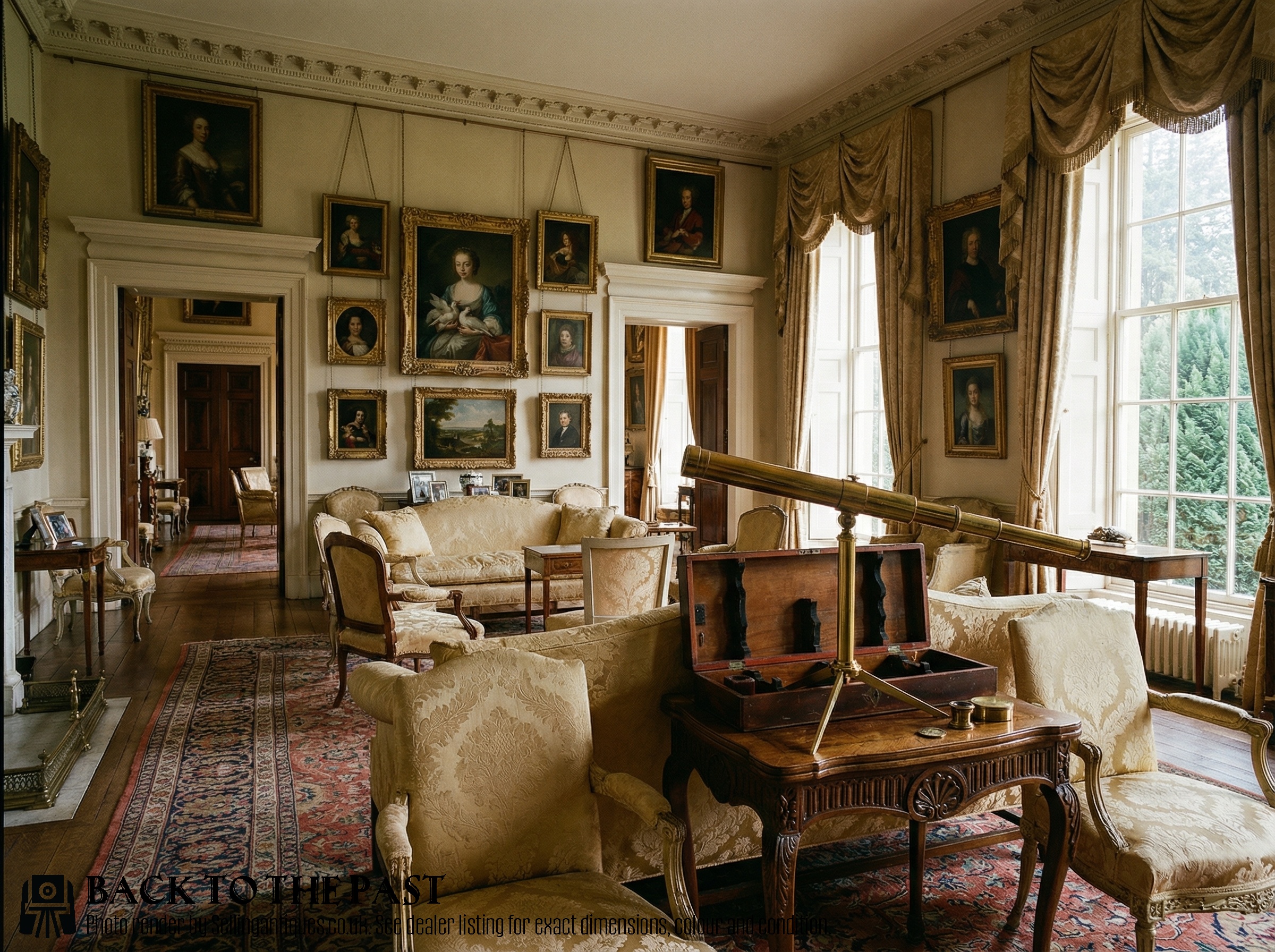
- A larger stationary instrument mounted on a tabletop tripod or pillar stand. These were designed for fixed use in domestic studies rather than carrying on campaigns.
- Refractor
- An optical system that uses glass lenses to bend light and form an image. This configuration forms the core of nineteenth-century spyglasses.
- Spyglass
- A small, portable handheld refracting telescope. The term typically denotes shorter multi-draw configurations used by mariners and watch officers.
Victorian Brass Telescope: Frequently Asked Questions
How do I focus a multi-draw telescope?
Grip the main barrel firmly with one hand while gently pulling the eyepiece draw fully outward until the target comes into sharp focus. Smaller adjustments are then made by sliding the final draw tube inward or outward.
Older optical tubes may require patience to find the correct focal length, particularly on terrestrial models designed for varied distances.
What is the difference between a marine and a library telescope?
Marine versions are compact, leather or wood-wrapped draw tubes built to withstand damp conditions at sea and fit into pockets or uniform cases. Library instruments are larger, heavier brass tubes mounted on dedicated stands for stationary viewing.
Library models prioritise higher magnification and stability over portability.
How should I clean the brass barrel?
Dust the brass gently with a soft, dry microfibre cloth to remove surface grit. Avoid using abrasive metal polishes or harsh chemical cleaners, as these can strip historical patination and damage signed engravings.
Leaving the natural aged surface intact preserves the historic character of the metal.
Can these instruments still be used for stargazing?
Nineteenth-century optics offer historic magnification levels suited for terrestrial observation and general lunar viewing. They lack modern lens coatings and wide apertures, meaning they function best as historical study pieces rather than advanced astronomical tools.
Viewing bright terrestrial landmarks provides the most reliable optical performance.