


Scientific Instrument Decor
Scientific instrument decor brings functional laboratory and navigational apparatus into domestic spaces, offering both historical utility and striking mechanical form.
Scientific Instrument Decor
Scientific instrument decor encompasses historical apparatus from domestic, educational, and maritime spheres that now function primarily as display pieces in interior settings. These objects bridge the gap between utilitarian laboratory equipment and decorative arts, appearing across various historical periods.
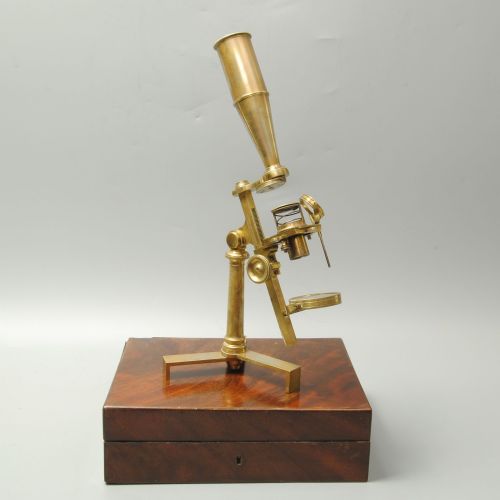
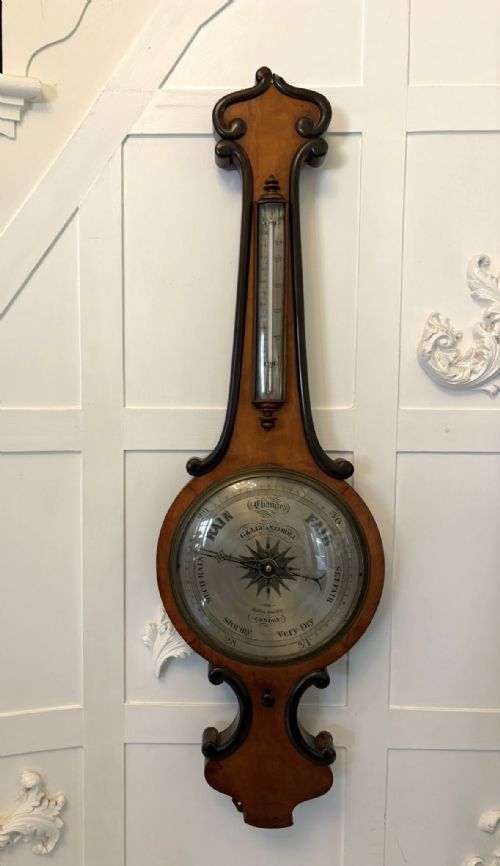
The pieces on this page span the nineteenth and twentieth centuries, taking forms such as barometers, microscopes, telescopes, barographs, and demonstration models. Visitors most frequently encounter nineteenth century wheel barometers and educational models within this selection.
Makers such as Short and Mason, Dollond London, and Watkins and Hill demonstrate the British and European pedigree behind these apparatuses. Materials range from traditional cabinet timbers like mahogany and walnut to industrial metals and glass.
Styles represented include Victorian, Edwardian industrial, and mid-century scientific, reflecting changes in both scientific inquiry and interior taste. Each object retains its physical mechanism, whether configured for atmospheric measurement or mechanical demonstration.
Materials and construction methods
Brass, glass, and steel form the mechanical core of these instruments, providing the necessary durability and precision for scientific measurement. Cases and mounts utilise dense hardwoods such as mahogany, oak, walnut, and boxwood, turned and joined to protect delicate internal mechanisms.
Makers employed nickel plating and specialised glassblowing techniques to ensure both operational accuracy and visual refinement. Cabinetry work matches the standards of fine furniture production, utilising dense timbers polished to showcase natural grain patterns.
Materials employed across the inventory range from traditional hardwoods like boxwood and oak to modern synthetics such as perspex.
Assessing quality in scientific decor
Quality rests in the precision of the mechanics, the integrity of the original glass and dials, and the quality of the timber housing. Finer examples retain signed maker details on engraved brass plates and feature hand-calibrated scales.
The choice of materials dictates the tier of the piece, with solid mahogany and walnut cases housing superior movements compared to utilitarian pine or simple metal frames. Preservation of original finishes and working mechanical components separates standard items from exceptional survivals.
G and L Guanziroli London·Short and Mason·Watkins and Hill·Dollond London·Merkelbach and Co Amsterdam
The Scientific Instrument Decor Glossary
- Barograph
- A self-recording aneroid barometer that charts atmospheric pressure over time on a rotating paper drum. These instruments combine brass clockwork movements with delicate mechanical linkage.
- Thermoscope
- An early device that indicates changes in temperature without providing a standardised numerical scale. Boxwood and glass were standard materials for construction.
- Dumpy level
- A surveying instrument featuring a short telescope used to determine relative heights between points. It mounts securely onto a tripod for field measurements.
- Van Der Graaff generator
- An electrostatic generator designed to create high voltages using a moving belt to accumulate charge. Mid-century examples often serve as striking kinetic sculpture.
Scientific Instrument Decor: Frequently Asked Questions
What is scientific instrument decor?
Scientific instrument decor refers to antique and vintage laboratory, navigational, and educational apparatuses utilised as interior display objects.
These pieces combine functional mechanics with decorative appeal, ranging from nineteenth century barometers to mid-century laboratory generators.
How do I identify Victorian barometers?
Victorian barometers usually feature turned mahogany or walnut wheel cases, often incorporating thermometers and hygrometers alongside the main dial.
Signed ivory or porcelain scale plates and decorative carvings help distinguish these nineteenth-century pieces from later reproductions.
Were these instruments made for education?
Many items, such as engine models and electrostatic generators, were produced specifically for classroom demonstrations and technical training.
Makers built these educational models with robust materials to withstand frequent handling by students and instructors.
How should I clean brass and wood?
Maintain brass components by dusting gently to preserve the natural aged patina rather than applying harsh chemical polishes.
Clean wooden cases with appropriate wax formulations to protect the grain of walnut, mahogany, or oak without affecting original finishes.