



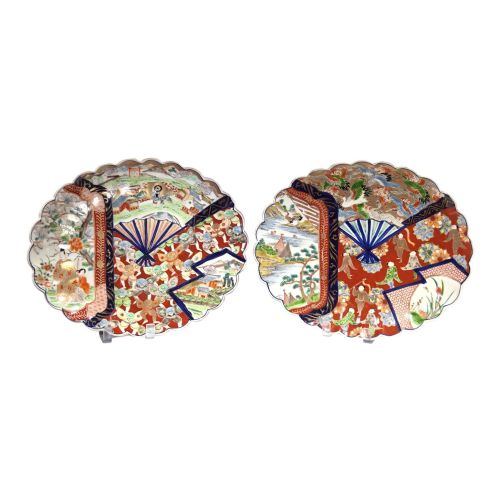
Scalloped Japanese Wall Plate
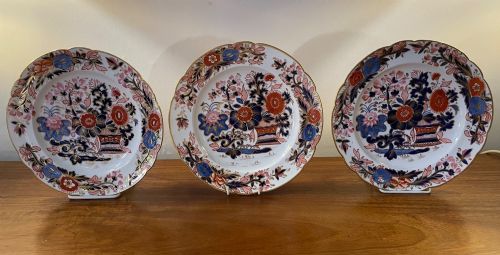
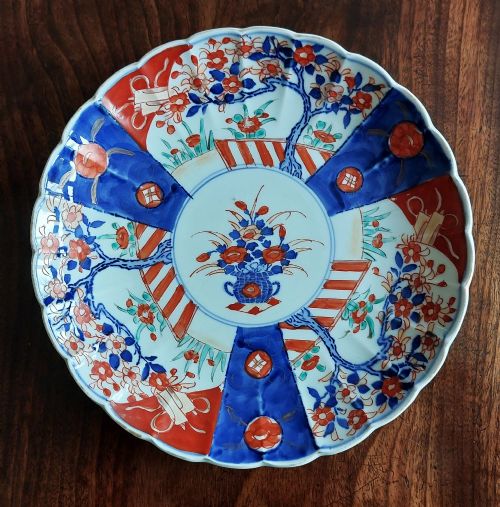
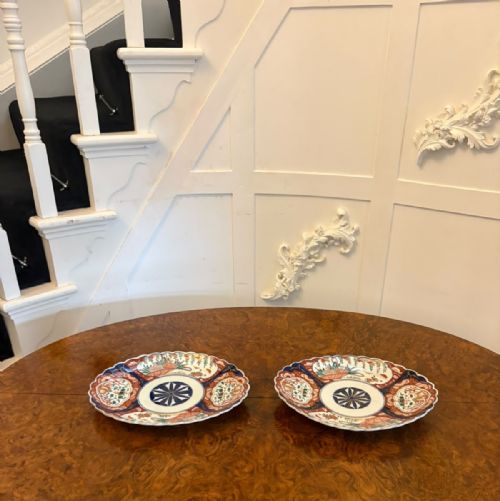
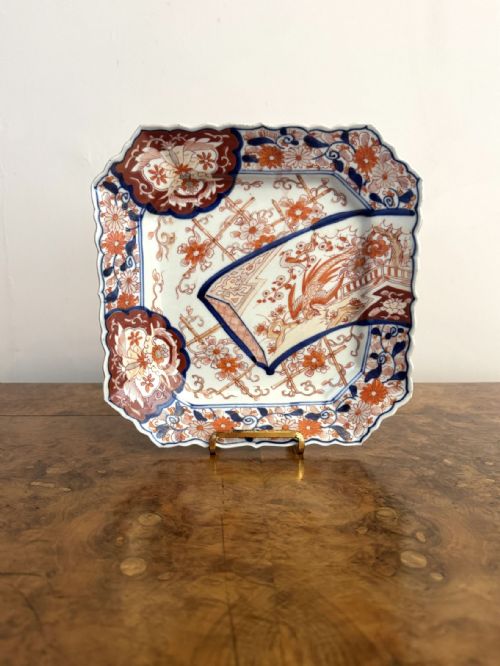
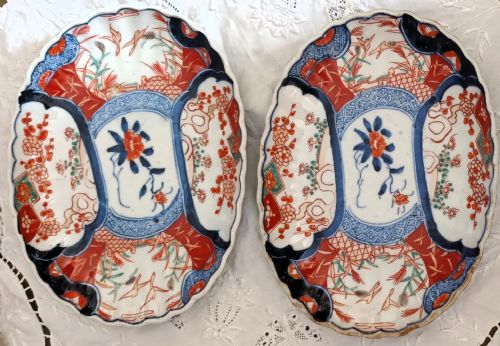
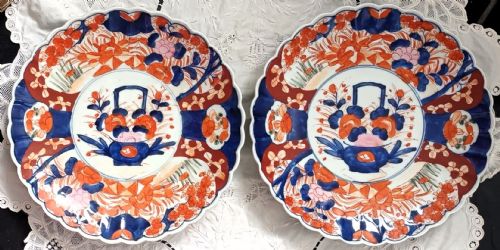
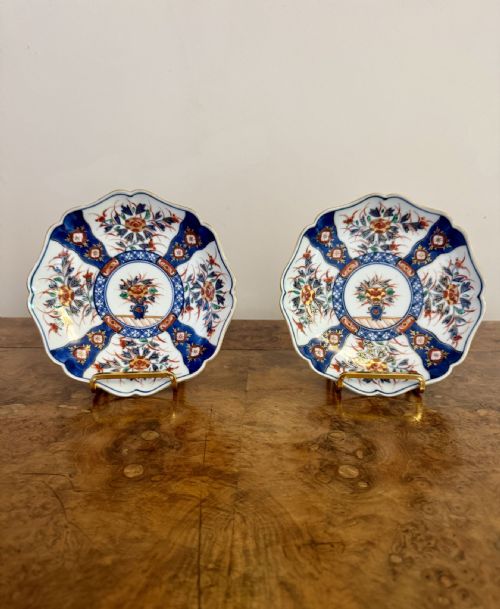
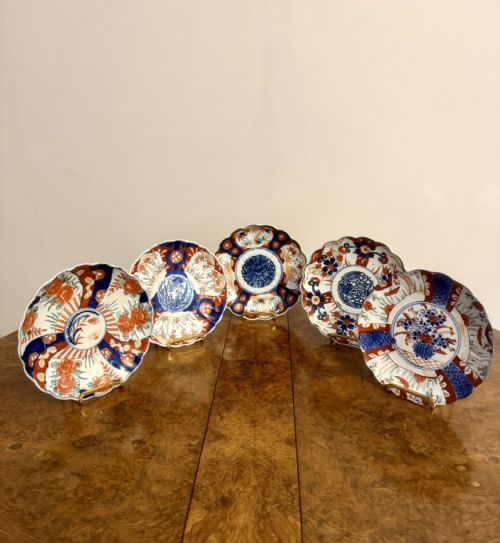
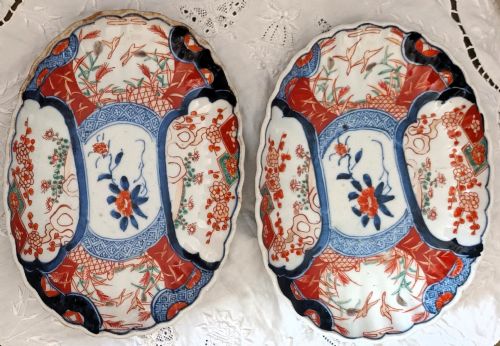
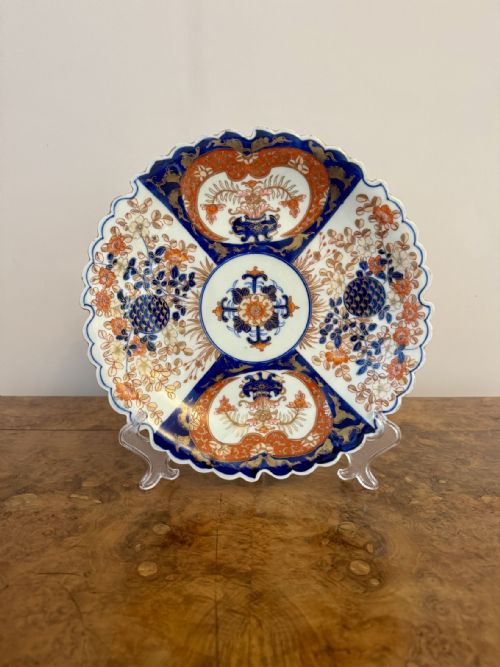
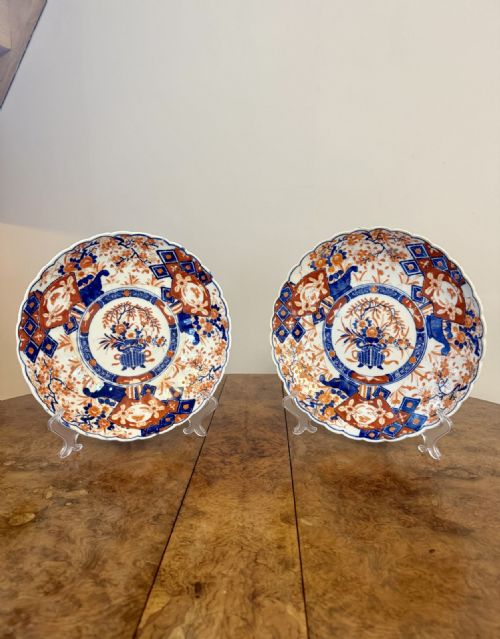
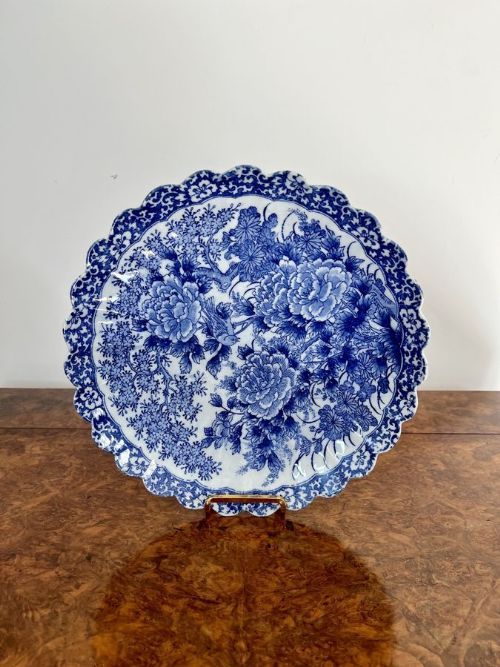
These scalloped japanese wall plate examples bring decorative porcelain and earthenware into domestic display through vibrant Imari palettes and shaped rims.
Scalloped Japanese Wall Plate
A scalloped japanese wall plate typically takes the form of an Imari dish, charger, or bowl intended for display. The pieces span the nineteenth century, Victorian era, and early twentieth century, with many originating from the Meiji period.
Buyers encounter circular, oval, square, hexagonal, and shell-shaped formats decorated with exotic birds or the Seven Lucky Gods. The selection includes single items alongside pairs and larger sets.
Most entries draw upon Japanese Arita traditions, while a smaller group comprises nineteenth-century Staffordshire interpretations utilising the same distinctive palette.
How they were made
Potters shaped ceramic bodies from porcelain and earthenware before applying cobalt underglaze pigments. Artisans then introduced iron-red enamels and gold leaf highlights to complete the surface decoration.
Firing techniques fixed the characteristic blue, white, and gilt schemes onto the glaze. Scalloped and shaped edges required careful hand-modelling of the clay prior to the kiln stage.
Several plates depict the Seven Lucky Gods enjoying themselves across the porcelain.
What varies in quality
Quality depends upon the precision of the hand-painted motifs, such as the detail found within depictions of exotic birds or traditional figures. Crispness in the cobalt underglaze and the preservation of gilt highlights separate superior examples.
The complexity of the moulding also defines the piece, with unusual square, hexagonal, or shell-shaped profiles requiring greater skill than standard circles.
The Scalloped Japanese Wall Plate Glossary
- Imari
- A style of Japanese porcelain decorated in underglaze blue, iron red, and gilt. The name derives from the port from which these goods were shipped to Europe.
- Meiji Period
- The era in Japanese history spanning from 1868 to 1912. Pieces from this time often display intricate enamel work and refined porcelain bodies.
- Charger
- A large decorative plate intended for display on a wall or sideboard rather than for dining use. These items measure larger than standard tableware.
- Cobalt Underglaze
- A blue pigment applied to ceramic ware before glazing and firing. This method ensures the colour remains permanent and protected beneath the glassy surface.
Scalloped Japanese Wall Plate: Frequently Asked Questions
How do I hang a wall plate safely?
Wall plates utilise specialised spring-loaded brass hangers that grip the rim securely without causing damage to the ceramic body. Ensure the fixing on the wall engages firmly with a solid stud or proper anchor.
Position the display away from direct sunlight and areas subject to vibration or sudden temperature changes. Periodically check the tension of the wire and the stability of the hanger.
Are these plates meant for dining?
These items serve primarily as decorative wall plates, chargers, and display dishes rather than functional tableware. Their historic glazes and delicate gilt details suit visual appreciation in living spaces.
Using them for food risks damaging the historic enamel and gold leaf surfaces. Gentle dusting with a soft cloth maintains their appearance.
What is the difference between Arita and Imari?
Arita is the Japanese town and region where the porcelain clay was mined and fired. Imari refers to the aesthetic style and the port of export.
Many Arita kilns produced wares decorated in the Imari manner for domestic and international markets. Both terms often describe the same ceramic tradition.
How do I date an Imari plate?
Dating relies on stylistic shifts, potters' marks where present, and the characteristics of the porcelain body. Nineteenth-century pieces often exhibit heavier potting and distinct cobalt tones compared to later iterations.
Examining the foot ring and the wear on the glaze provides further clues to age. Comparing similar examples helps narrow down the period of manufacture.