




Scalloped Ceramic Charger Plates
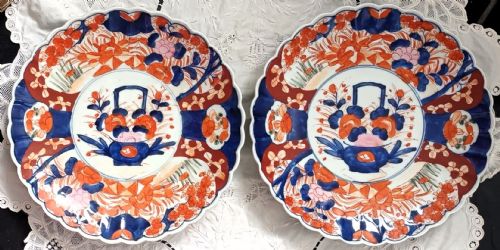
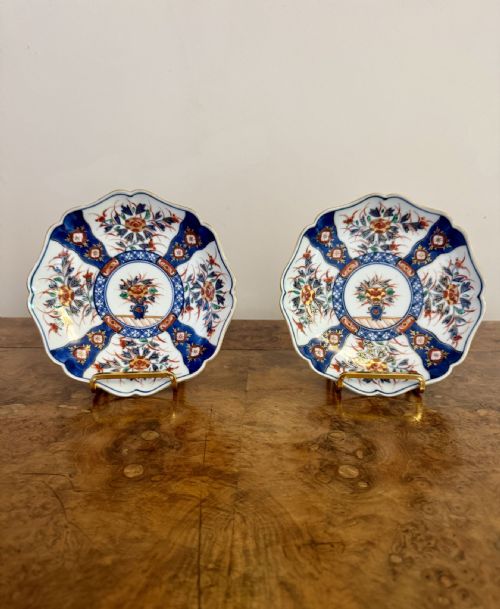
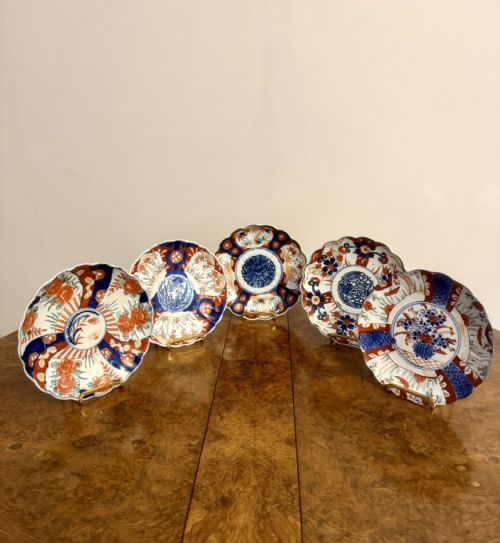
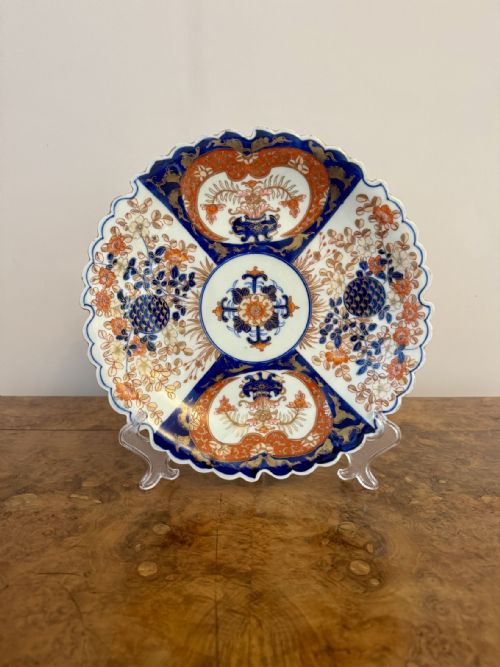
These scalloped ceramic charger plates bring vibrant hand-painted colour and patterned borders to a table or wall, rooted in centuries of decorative ceramic traditions.
Scalloped Ceramic Charger Plates
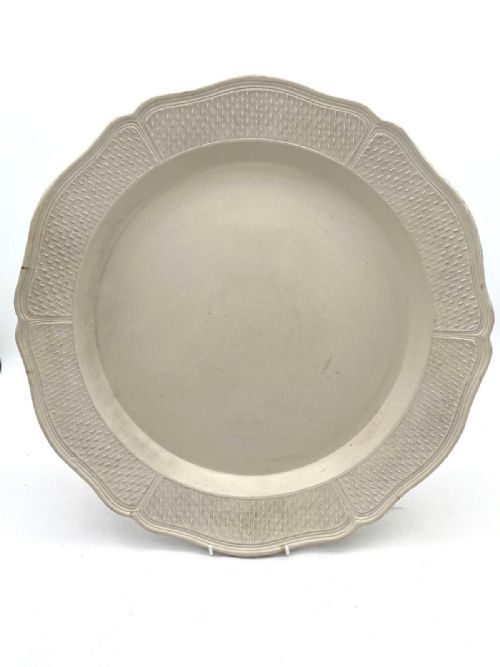
When searching for scalloped ceramic charger plates, a buyer encounters large decorative dishes and platters designed for display rather than heavy dining use. The selection spans periods from the seventeenth century through to the early twentieth century, incorporating Victorian examples alongside earlier pieces.
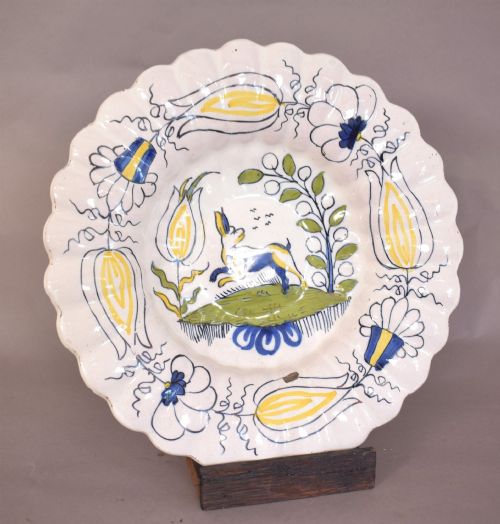
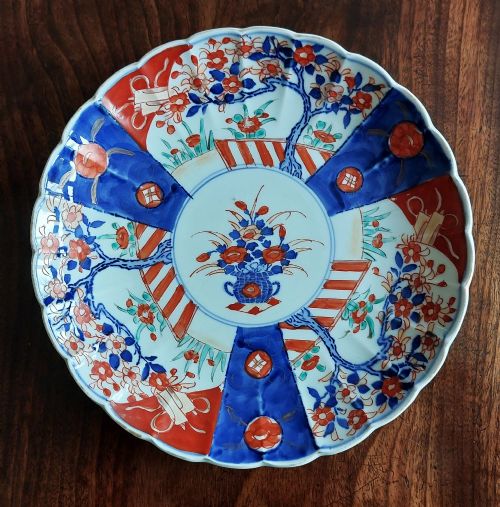
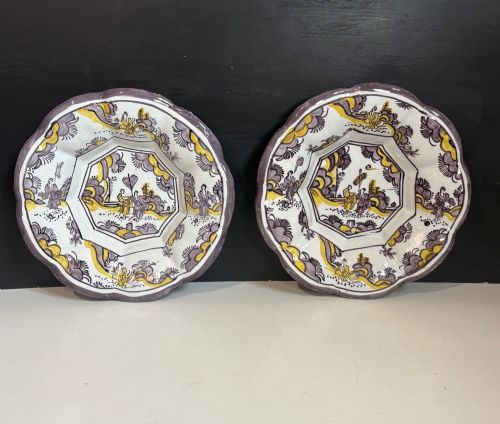
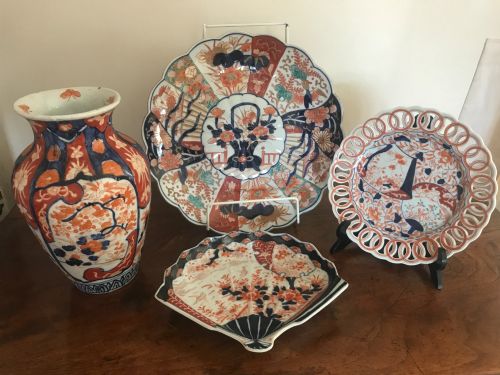
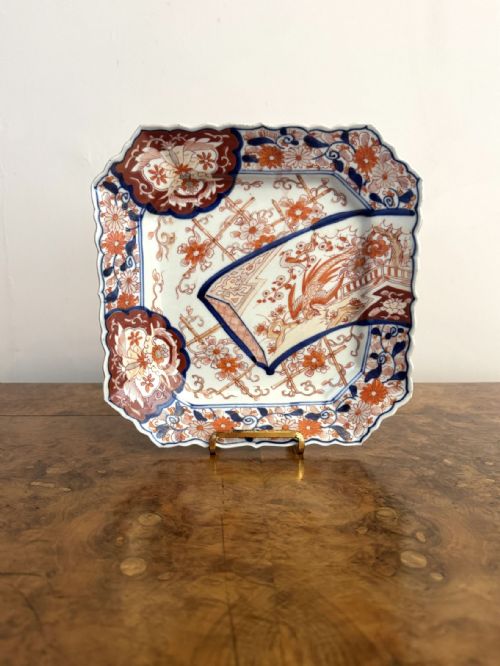
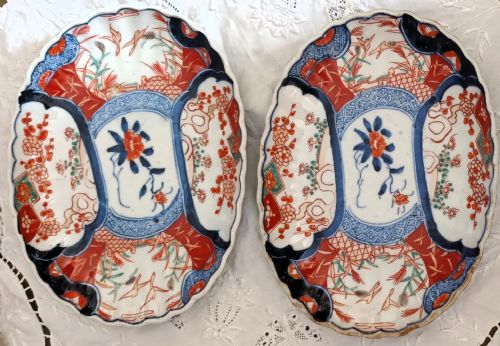
The most common forms on this page originate from Japanese workshops producing Imari porcelain, particularly during the Meiji period and the late nineteenth century. Alongside these Eastern imports sit English and continental European tin-glazed earthenwares, including eighteenth-century Delft chargers and saltglazed items.
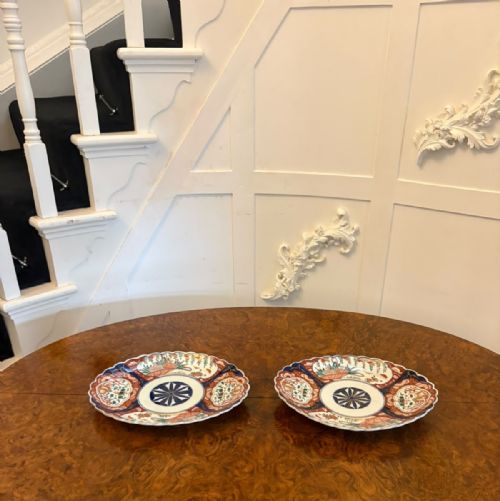
Objects vary from single large display chargers to pairs and larger sets of plates with shaped edges. Forms range from traditional circular profiles to square and oval shapes, utilised historically for both service and prominent interior decoration.
How They Were Made
Potters shaped ceramic and porcelain bodies by hand or on the wheel before applying white glazes and tin-glazed enamel coatings. Artisans then hand painted intricate floral and bird designs using cobalt underglaze pigments and iron red enamels, frequently enhanced with gold leaf and gilt detailing.
Fired in kilns at high temperatures, these pieces achieved durable vitrified surfaces that preserved the painted pigments over centuries. Scalloped and shaped edges required skilled trimming while the clay remained pliable before glazing and final firing.
The listings span multiple centuries, uniting 17th-century Delftware with 19th-century Japanese Imari porcelain and early 20th-century European ceramics.
What Varies in Quality
Quality rests in the precision of the hand-painted brushwork and the vibrancy of the cobalt underglaze and enamel colours. Superior examples display crisp definition in complex motifs such as figures and exotic birds, while simpler pieces show looser execution.
The handling of the glaze and the preservation of gilt highlights and gold leaf distinguish finer charger plates from standard utilitarian wares. Intricately moulded scalloped edges that maintain symmetry after kiln firing indicate superior manufacturing skill.
The Scalloped Ceramic Charger Plates Glossary
- Imari
- A style of Japanese porcelain decorated in underglaze blue, iron red, and gold, named after the port from which it was shipped to Europe. This palette dominates the nineteenth-century plates found on this page.
- Charger
- A large decorative plate or platter used historically for formal service or displayed upright on sideboards and walls. These oversized vessels form the focal point of the current selection.
- Tin-Glazed Earthenware
- Pottery covered with a white tin-opacified glaze that provides a smooth opaque background for painted decoration. Examples include English and Dutch Delftware from the seventeenth and eighteenth centuries.
- Cobalt Underglaze
- A blue pigment applied to the ceramic body before glazing and firing, capable of withstanding extreme kiln temperatures. It creates the deep blue patterns seen across Japanese and European wares.
- Meiji Period
- The era of Japanese history spanning from 1868 to 1912, associated with a vast output of porcelain exported to Western markets. Many of the scalloped dishes listed originate from this phase.
Scalloped Ceramic Charger Plates: Frequently Asked Questions
Were charger plates used for eating from?
Large chargers served primarily as decorative display pieces on sideboards or beneath smaller service plates during formal banquets. Their substantial size made them less practical for direct dining.
Over time, many survived simply because owners hung them on walls or kept them on display shelves rather than subjecting them to daily kitchen use.
How do I date a Japanese Imari plate?
Dating relies on examining the weight of the porcelain body, the brightness of the enamel colours, and the characteristics of the base. Late nineteenth-century Meiji pieces often feature crisper painting and brighter gilding than earlier wares.
Comparing the cobalt blue tone and the specific floral or bird motifs against documented pieces helps narrow down the production period.
What is the difference between Delft and Imari?
Delft refers to European tin-glazed earthenware featuring blue and white or polychrome designs inspired by imported Chinese and Japanese porcelain. Imari is Japanese porcelain defined by its distinct palette of cobalt blue, iron red, and gold.
While both utilise contrasting blue tones, Delft has a softer earthenware body compared to the hard-fired porcelain of Imari.
Can I hang antique charger plates on the wall?
Hanging antique chargers is a traditional method of display that allows the painted details to be viewed at eye level. Proper spring-loaded hangers with rubber or vinyl tips protect the edges from friction.
Ensuring the wall fixing is secure is essential due to the heavy weight of large ceramic and porcelain chargers.