






Antique Japanese Imari Ceramics
Antique japanese imari ceramics bring together rich cobalt pigment and enamel on hard porcelain, offering traditional display forms for any room.
Antique Japanese Imari Ceramics
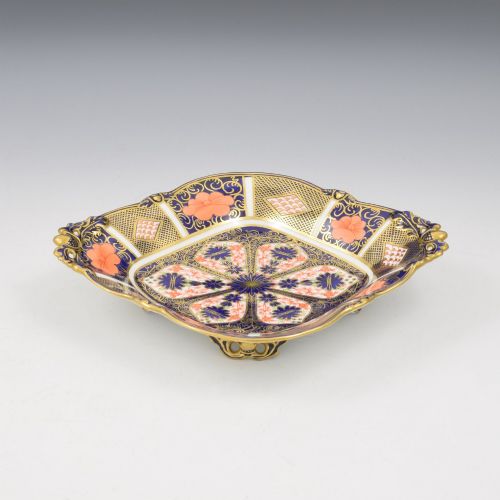
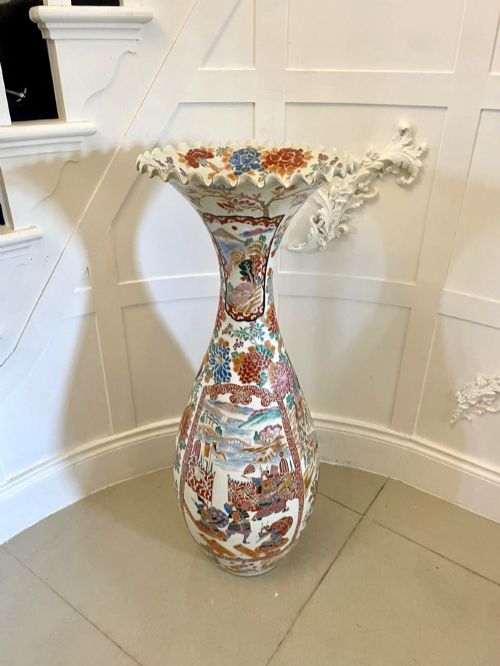
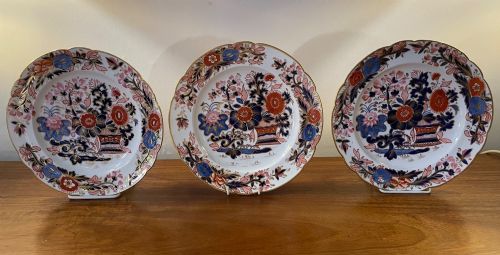
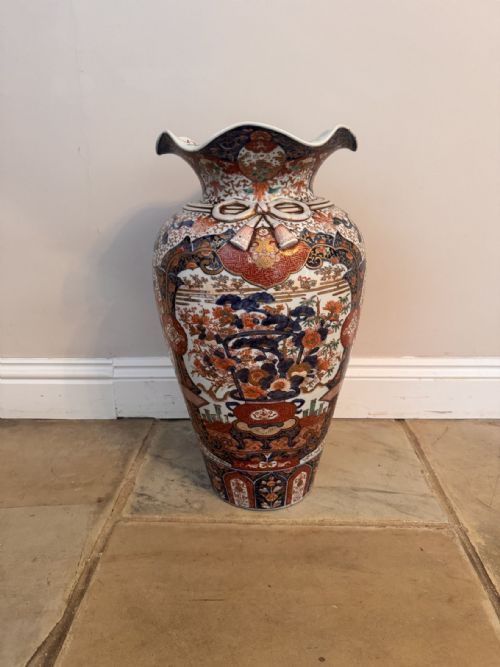
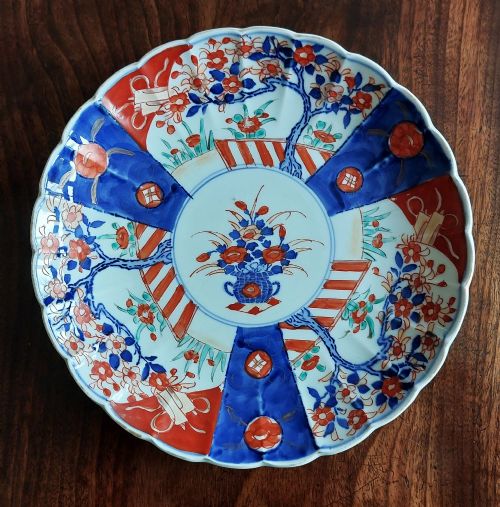
When you search for antique japanese imari ceramics, you encounter wares originating primarily from the seventeenth century through to the twentieth century, spanning the Edo, Meiji, and Showa periods. The pieces most commonly met on this page include decorative plates, scalloped edge dishes, large chargers, and floor standing vases.
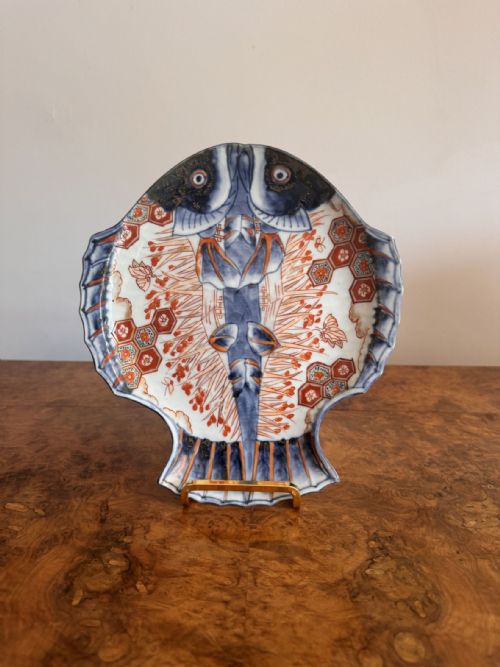
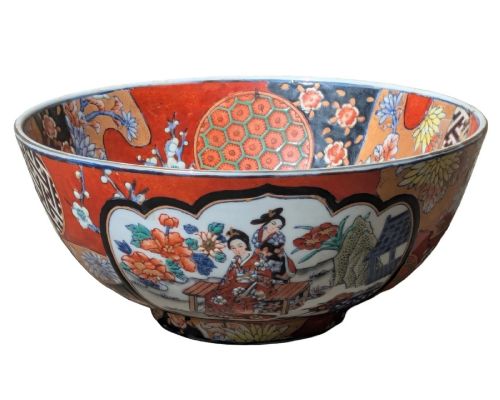
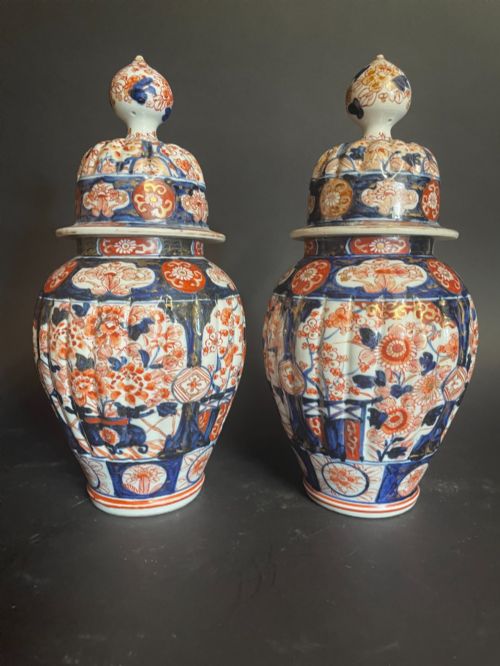
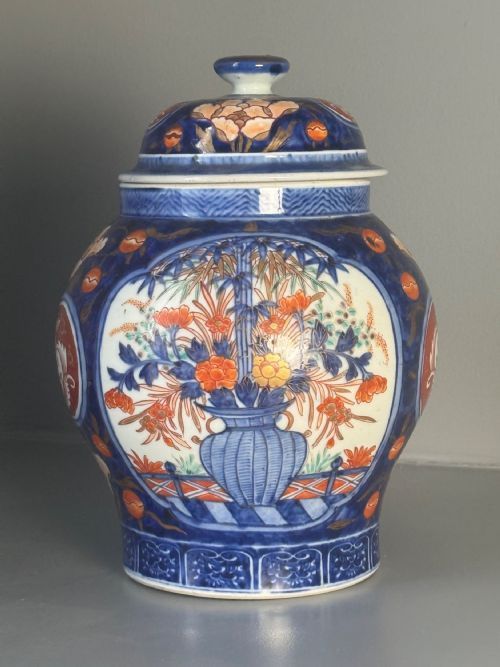
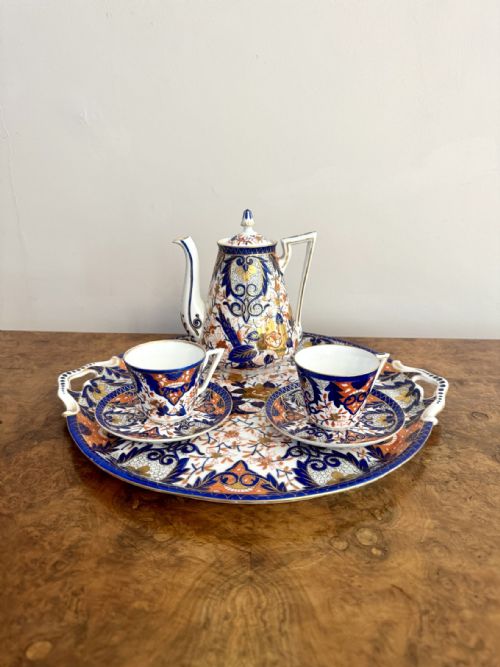
Makers produced diverse domestic and display forms, ranging from hexagonal plates and fish-shaped dishes to jars with covers and jardiniere vessels. The selection encompasses both paired items and individual statement pieces suitable for interior decoration.
Origins trace back to Japanese kilns, with Arita traditions heavily influencing the distinctive palette and heavy porcelain bodies seen across the inventory. Collectors find standard domestic tableware alongside grand floor vases that demonstrate the full scope of historical production.
Materials and Techniques
Potters shaped these objects using dense porcelain and earthenware, firing the clay at high temperatures to create durable white bodies. Artisans then applied cobalt pigment under the glaze to establish deep blue outlines and details.
Enamel colours and gold leaf were added over the glaze in subsequent low-temperature firings, building the characteristic layered palette. Gilding and gilt highlights frequently complement the iron-red and blue motifs across bowls and plates.
Listings feature porcelain forms spanning the 17th century to the 20th century, utilising cobalt pigment, enamel, and gold leaf.
Assessing Quality
Quality rests on the crispness of the cobalt painting beneath the glaze and the precision of the overglaze enamel work. Superior examples display clean brushwork and controlled application of gold leaf without smudging.
The complexity of the form dictates distinction, with moulded shapes such as scallop edges, fish forms, and hexagonal profiles requiring greater skill from the potter. Heavier porcelain bodies and substantial floor vases also demand advanced kiln management.
Ginshōtei Gyokushi
The Antique Japanese Imari Ceramics Glossary
- Imari
- A style of Japanese porcelain originating from the port of Imari, traditionally characterised by a palette of underglaze blue, iron red, and gilt. It gained popularity in European export markets during the Edo period.
- Meiji Period
- The era in Japanese history lasting from 1868 to 1912, associated with rapid modernisation and prolific production of decorative export ceramics. Many plates and vases on the market date from this time.
- Arita
- The Japanese town and surrounding region in Hizen province where porcelain production began. Kilns here produced the foundational wares that define the imari tradition.
- Charger
- A large decorative plate intended for display on a wall or sideboard rather than dining use. These items often feature intricate border patterns and central floral motifs.
- Cobalt Pigment
- The mineral blue colourant applied directly to the unglazed clay body before firing. It produces the deep, permanent blue lines characteristic of traditional underglaze decoration.
Antique Japanese Imari Ceramics: Frequently Asked Questions
How do I date antique japanese imari ceramics?
Dating relies on examining the porcelain body, the style of the cobalt pigment, and the characteristics of the overglaze enamels. Edo period pieces differ in weight and pigment tone from later Meiji or Showa productions.
Examining the foot ring and any kiln marks provides further clues to the manufacturing era. Comparing piece forms with documented historical examples helps narrow down the decade of creation.
Were these ceramics used for dining?
Many smaller plates, bowls, and dishes served practical dining functions in Japanese households. Sets of cups and small dishes indicate use in traditional tea ceremonies and daily meals.
Larger chargers and floor standing vases were strictly intended for interior decoration and display. Their scale and elaborate enamel work suited reception rooms and parlours.
How should I display large floor vases?
Large floor vases require stable placement on level flooring away from high-traffic household areas. Their considerable height makes them ideal focal points in hallways or empty corners.
Pairing them with neutral backgrounds allows the intricate red and blue enamel patterns to stand out. Avoid placing them in direct sunlight to protect the overglaze colours.
What defines the imari colour palette?
The traditional palette combines underglaze cobalt blue with iron red and supplementary gold leaf or gilding. This triad creates a striking contrast against the white porcelain ground.
Additional enamel colours such as green, yellow, and black occasionally appear in floral or avian motifs. The interplay of these hues gives the ceramics their distinctive visual weight.